
Multifamily Investor Who Called Market Peak Sees Second Wave of Distress Ahead
Brian Burke, who sold his portfolio at the post-COVID boom peak, says cap rates haven't expanded enough and negative lease trade-outs signal more pain to come.
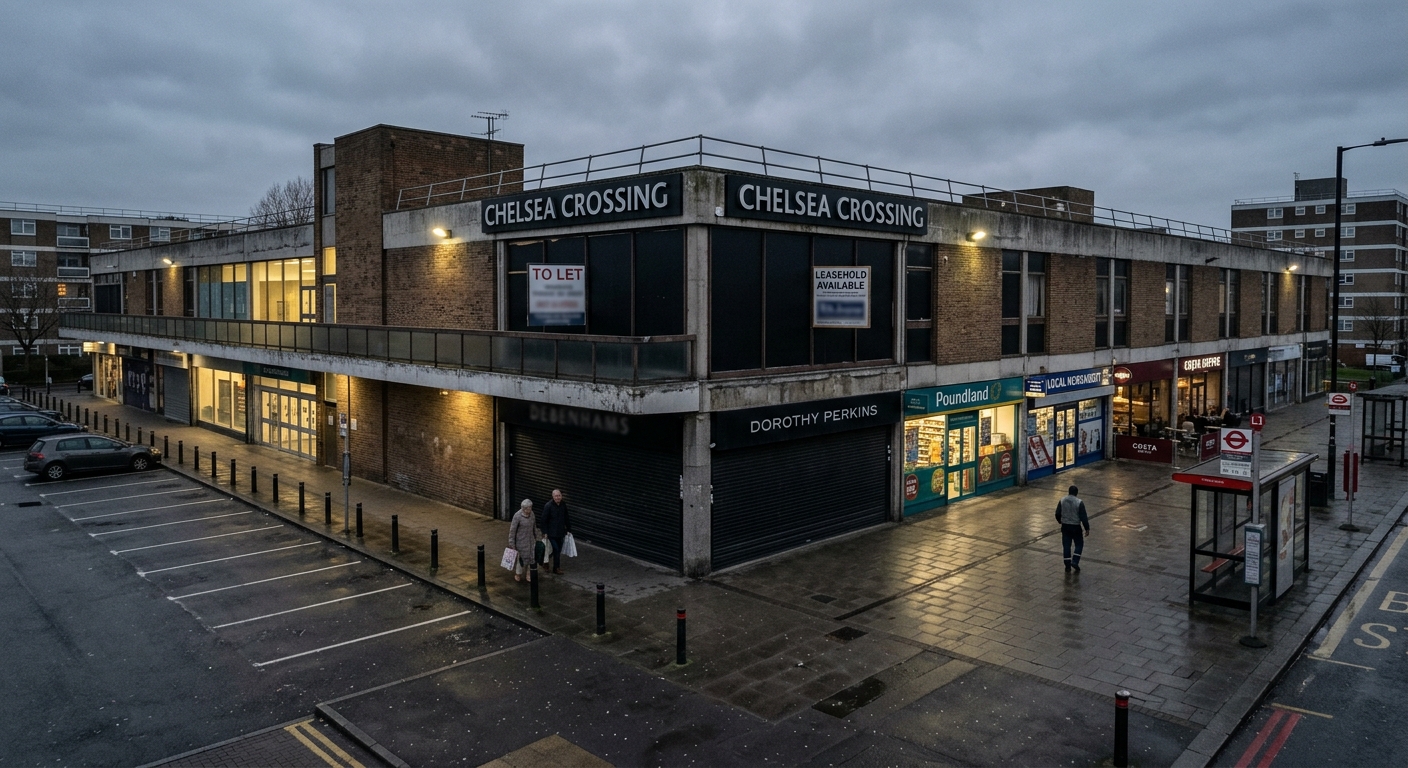
SDB, managing over $1 billion in overseas real estate for 1,700 Israeli investors, has seen multiple projects enter insolvency or forced sales as refinancing costs soar.

Ransomware attacks disrupting elevators, HVAC, and security systems prompt carriers to scrutinize operational-technology defenses and raise deductibles for property operators.
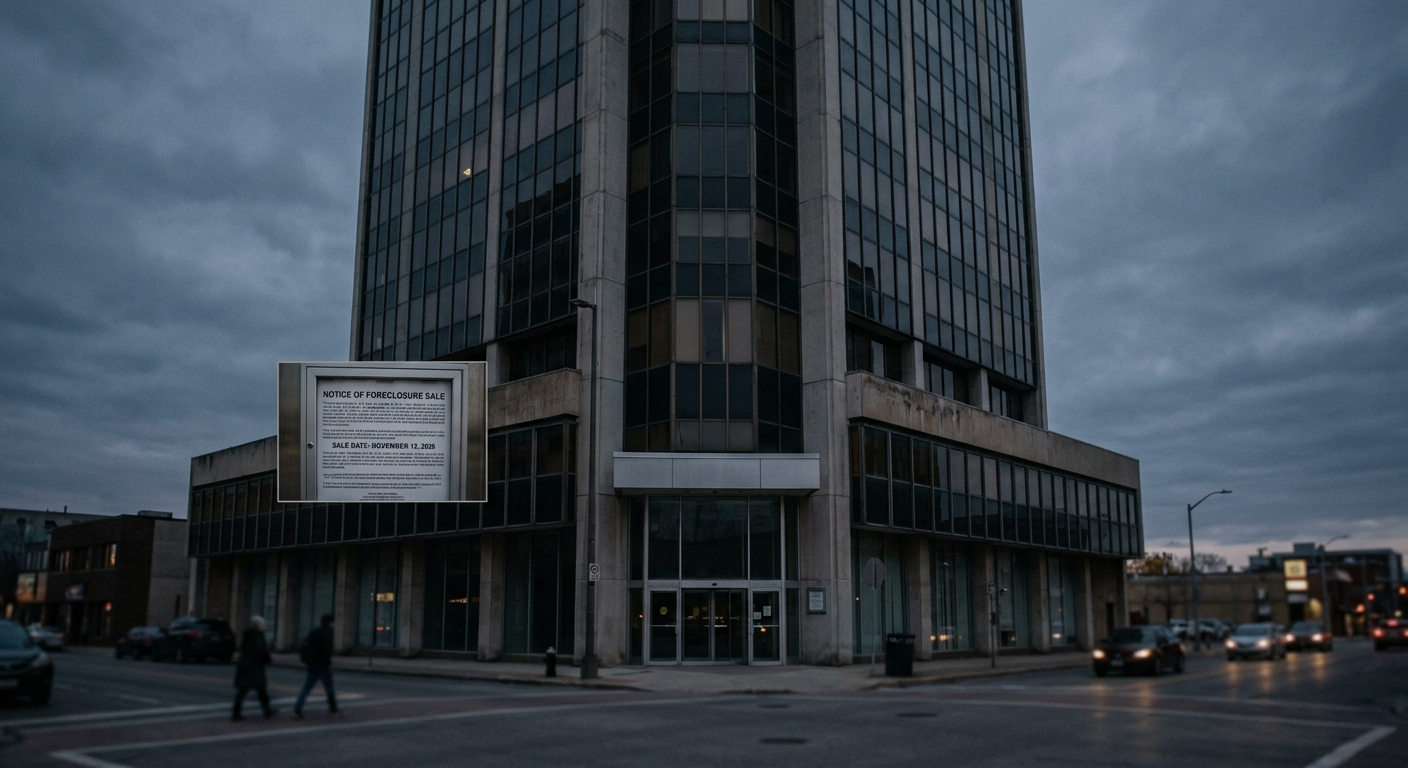
The firm is targeting commercial real estate and CMBS positions before up to $930 billion in loan maturities trigger quiet recapitalizations that won't show up in official default rates.

New regulatory data reveal sharp uptick in nonperforming commercial property debt as higher rates and falling values squeeze borrowers facing 2026–2027 maturities.

Major U.S. property insurers are scaling back coverage in coastal and wildfire-prone regions, creating a structural headwind for commercial real estate as assets become uninsurable or prohibitively expensive to cover.

FDIC reports rising substandard and nonaccrual commercial real estate exposures, with smaller lenders facing acute concentration risk amid extend-and-pretend concerns.
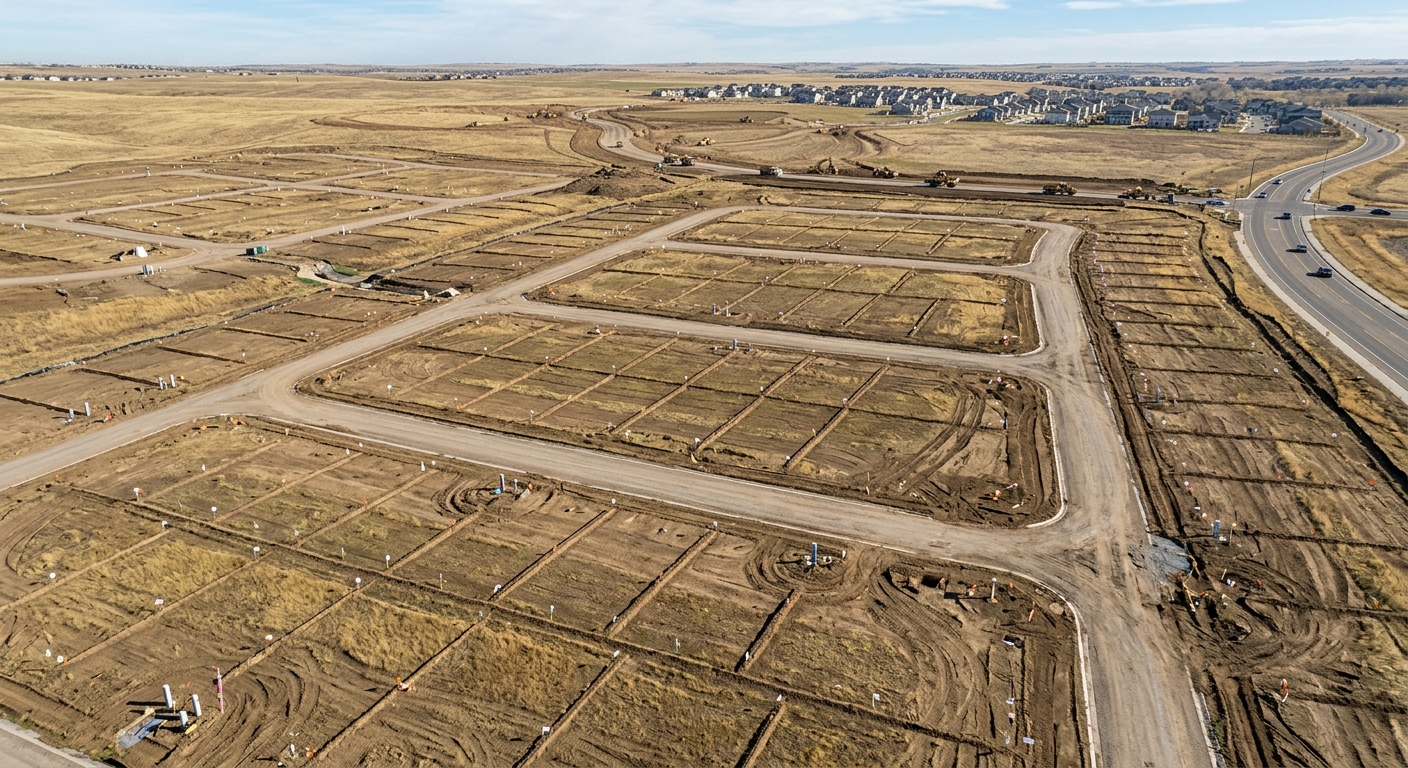
The milestone underscores nonbank capital's growing role in residential development finance amid housing undersupply and tightening bank credit.
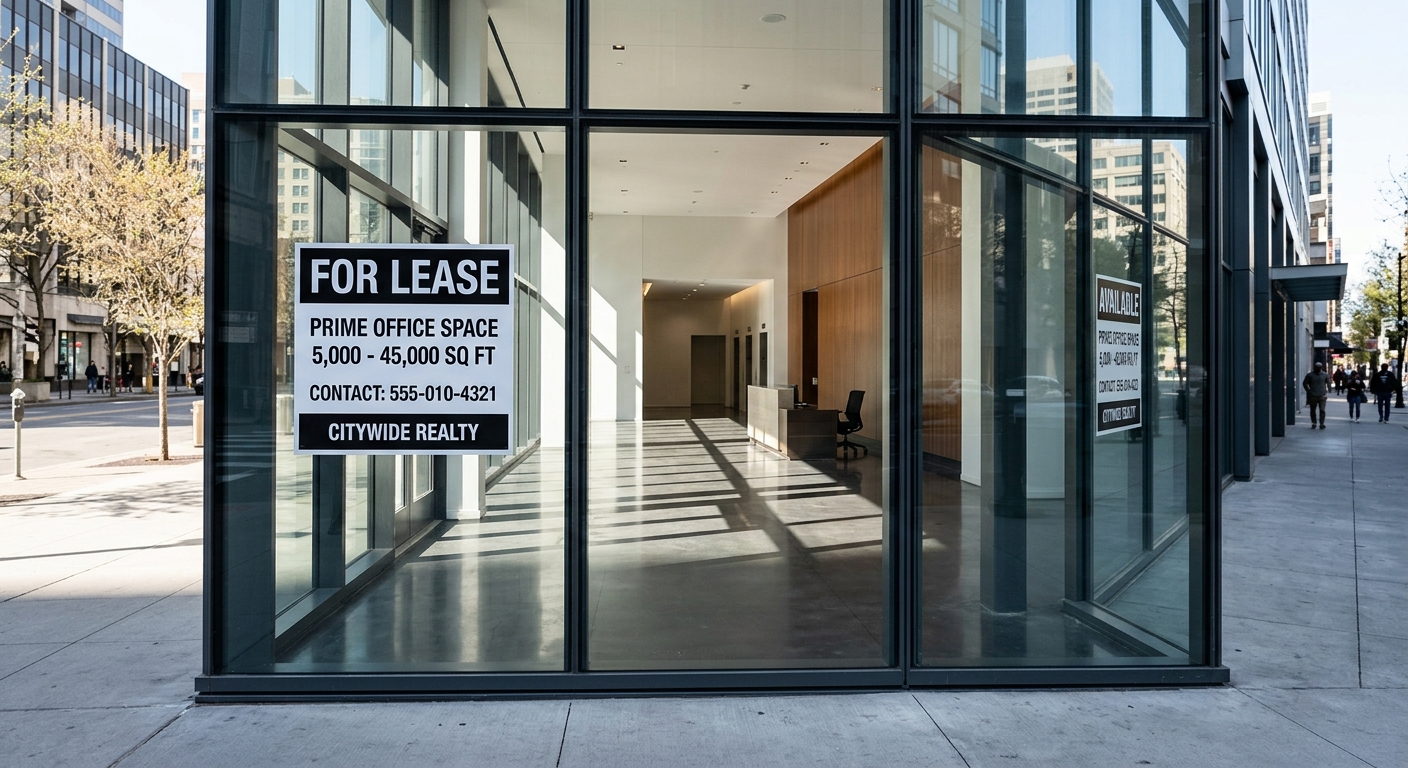
Federal regulator highlights refinancing risk and falling collateral values as concentrated CRE exposures threaten community and regional lenders.

Spiraling property insurance costs in Florida, Texas and Louisiana are forcing family offices to rewrite their multifamily underwriting models.

Updated catastrophe mapping is forcing family offices and insurers to repricing risk across California real-estate portfolios.
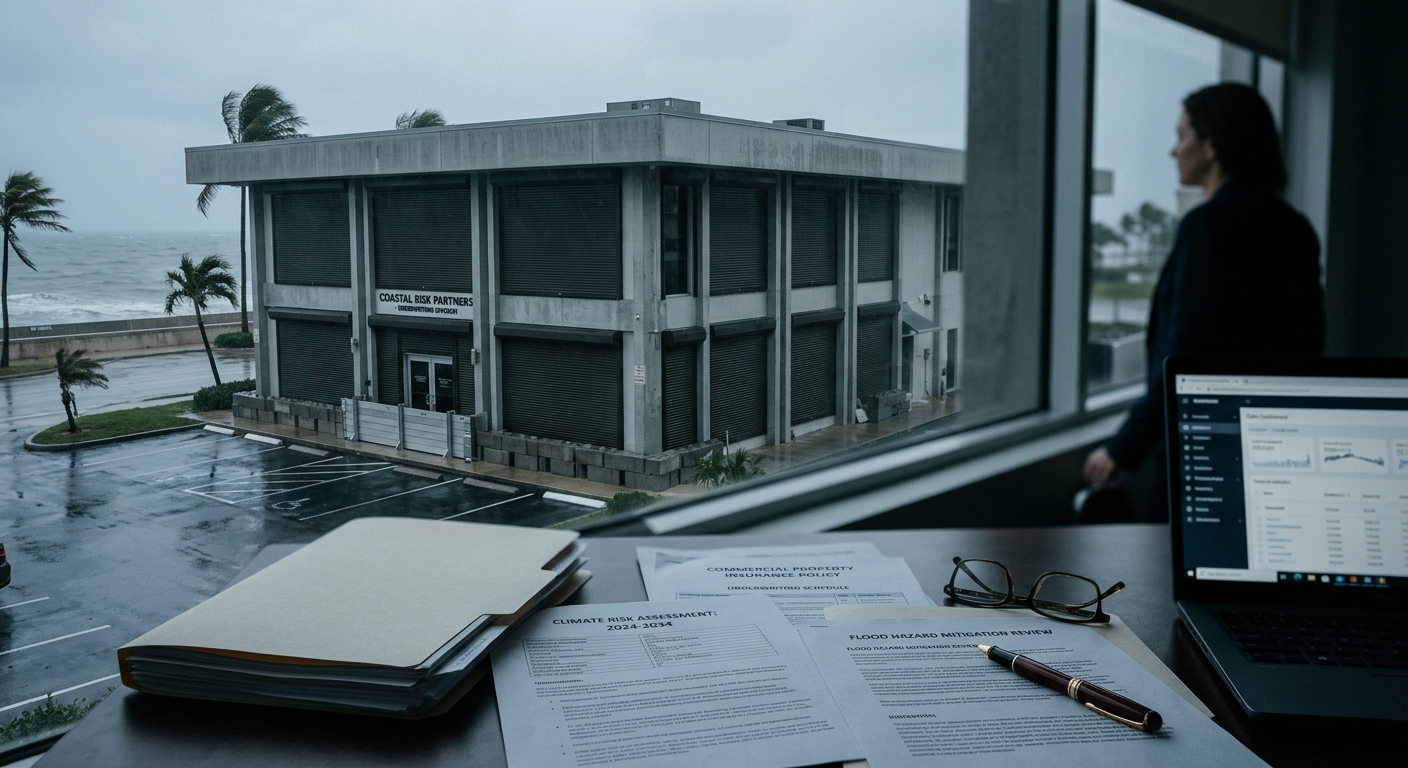
Insurance now consumes 4.1% of net operating income across U.S. commercial real estate, up from 1.9% in 2017, as carriers price disaster exposure into premiums at the building level.

The decline marks the steepest drop in property rates since 2010, while umbrella coverage posts its 35th consecutive quarterly increase amid shrinking underwriter appetite.

The Lloyd's underwriter operates from hubs in London, New York and Singapore, targeting real estate and hospitality sectors with quota-shared and layered placements.

Building-access disruption and rent-collection outage prompt industry-wide reassessment of operational resilience and third-party vendor risk.

Hundreds of billions in commercial mortgages mature over the next 18 months, with higher rates and falling office values forcing extensions, restructurings or defaults.
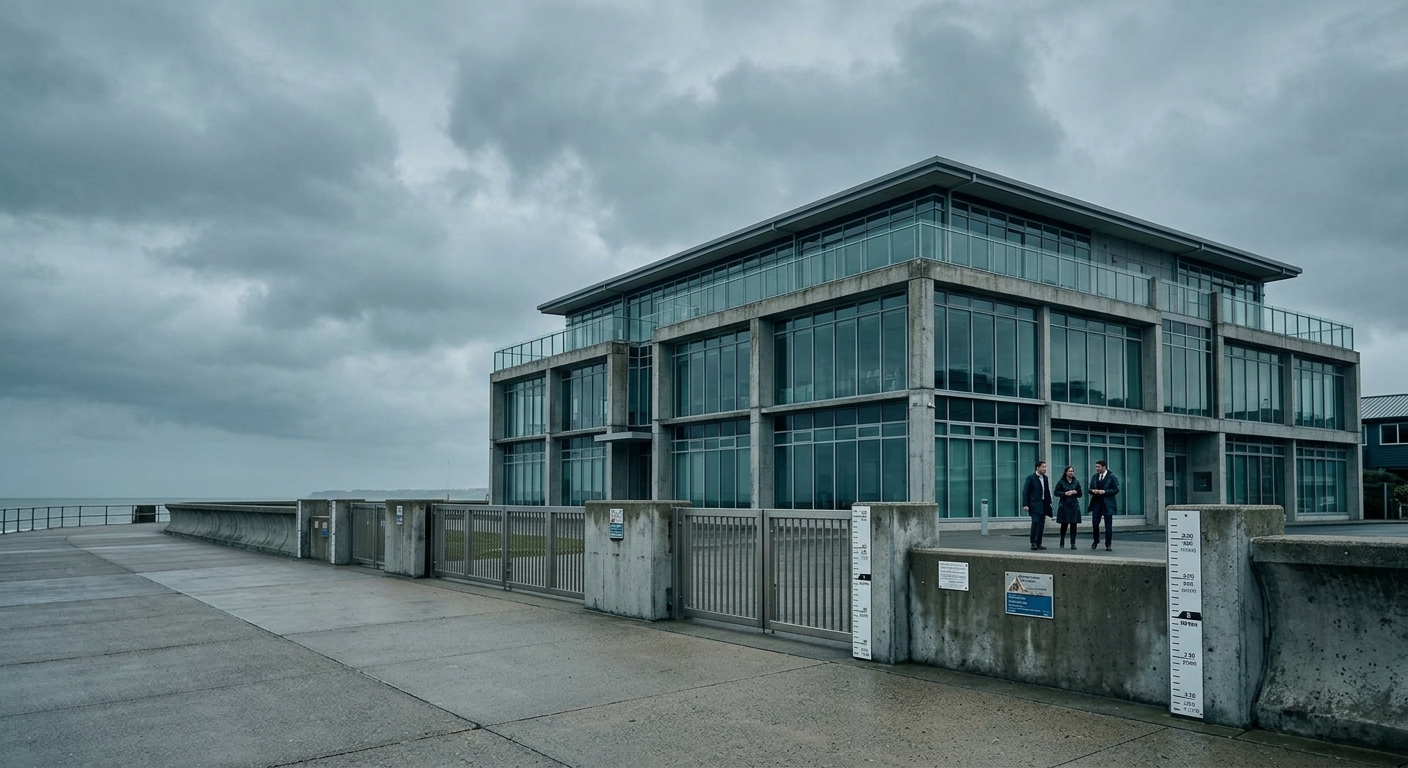
Carriers raise premiums, tighten terms and exit high-risk regions, eroding net operating income and complicating refinancing across office, multifamily and retail sectors.

Elevated interest rates and falling valuations push distressed debt higher, with office properties and maturing loans driving the surge.

German insurer rolls out framework solutions addressing climate damage, digitalised building systems, and liability exposures for property managers.

Hurricane Helene's $78.7 billion damage toll exposed how climate and regulatory risks now reach far beyond coastal trophy assets into mainstream commercial and multifamily portfolios.

With premiums spiking 24% in high-risk states and $115 billion in 2023 weather losses, lenders now tie asset viability to climate preparedness.
Hundreds of billions in loans mature through 2027 amid elevated rates and tighter underwriting, with nearly half of recent five-year originations failing to pay off at maturity.

Billions in maturing loans face collision with lower valuations and higher rates, pushing delinquencies and special servicing sharply higher.
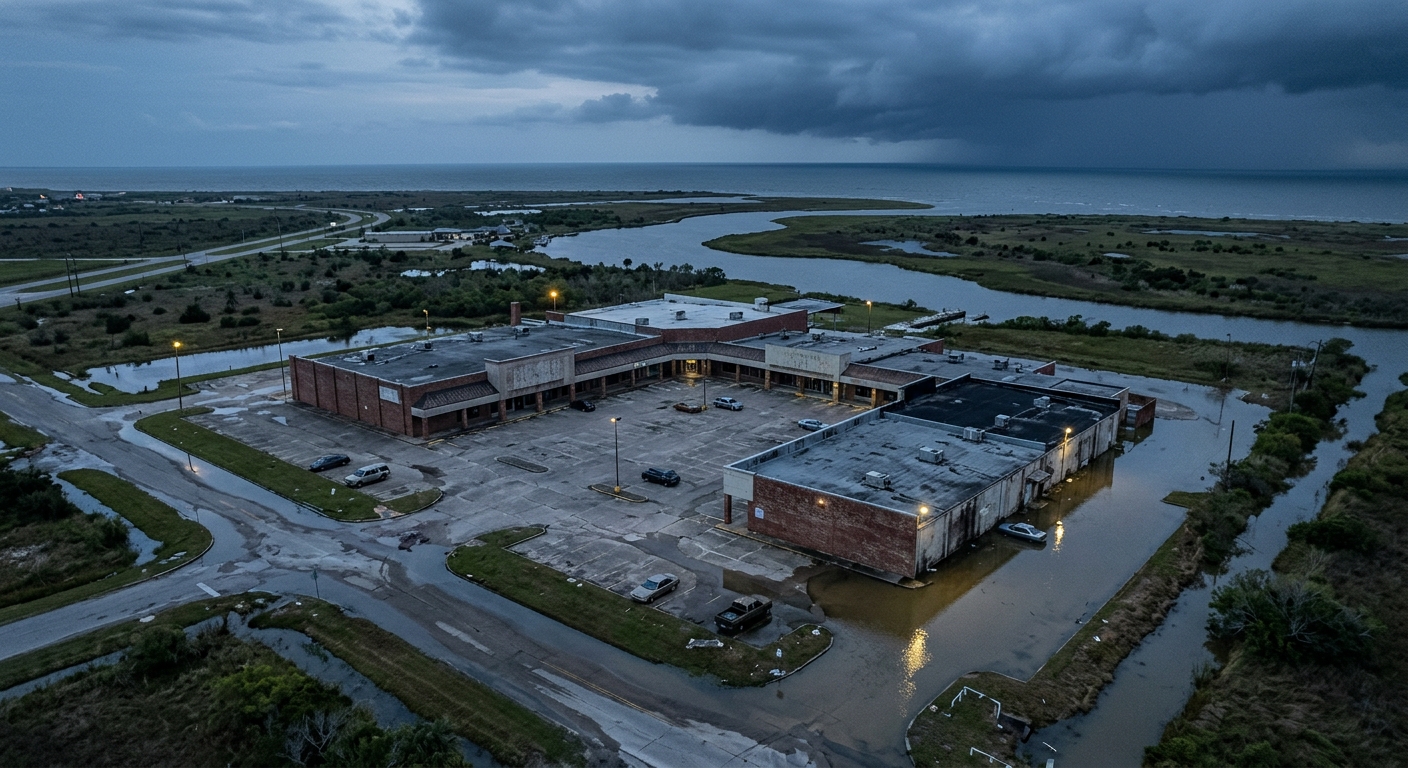
Surging premiums and carrier pullback in storm-prone regions are now driving covenant breaches and distressed sales alongside rate pressure.
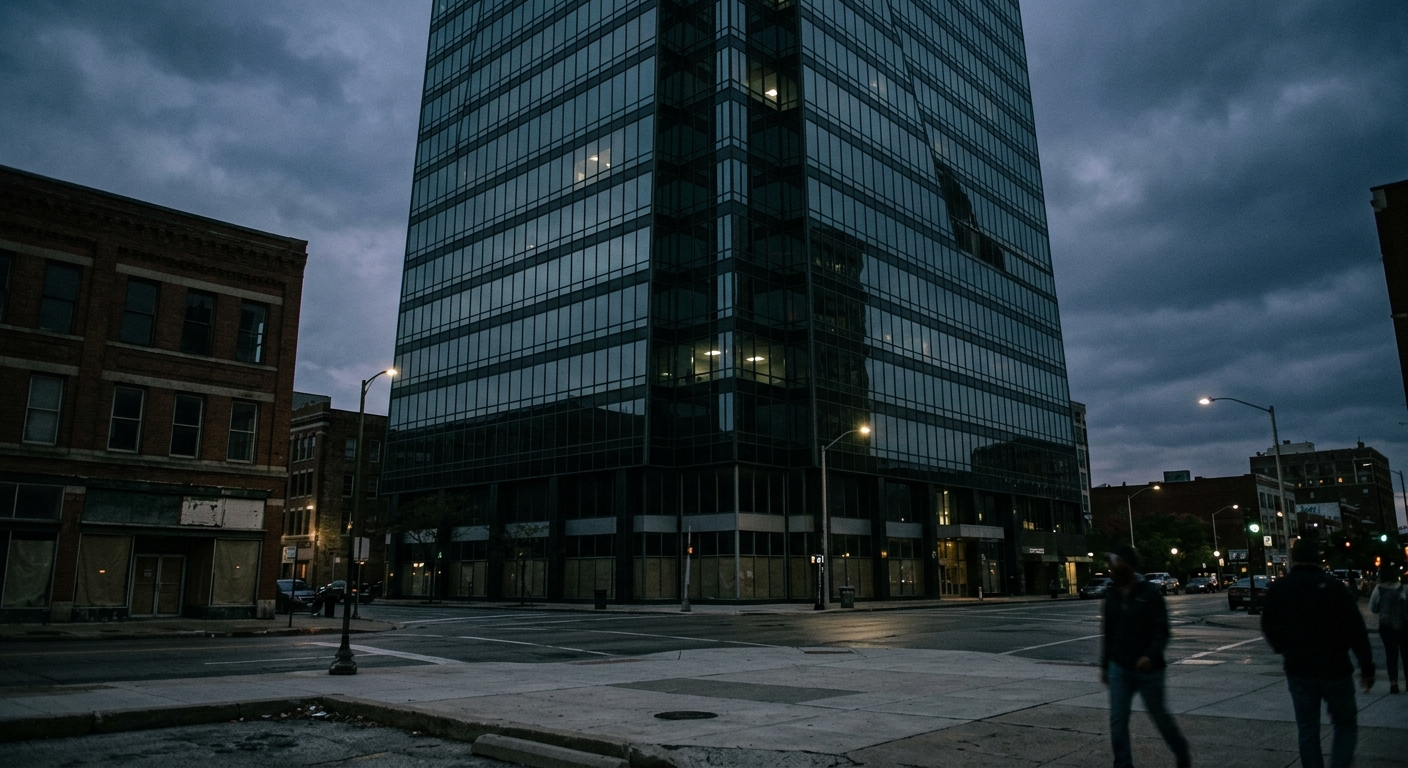
Hundreds of billions in mortgage maturities over the next two years are colliding with elevated rates and tight credit, pushing special servicing volumes higher and drawing distressed-debt funds into position.

Lenders abandon extend-and-pretend as MBA reports continuous workout pressure across commercial real estate portfolios, with office capex gaps exposing weak underwriting assumptions.

Lenders tracking commercial real estate insurance in 2026 face a paradox: falling property premiums paired with rising rebuild costs and multi-carrier excess liability stacks that leave coverage gaps loan agreements never anticipated.
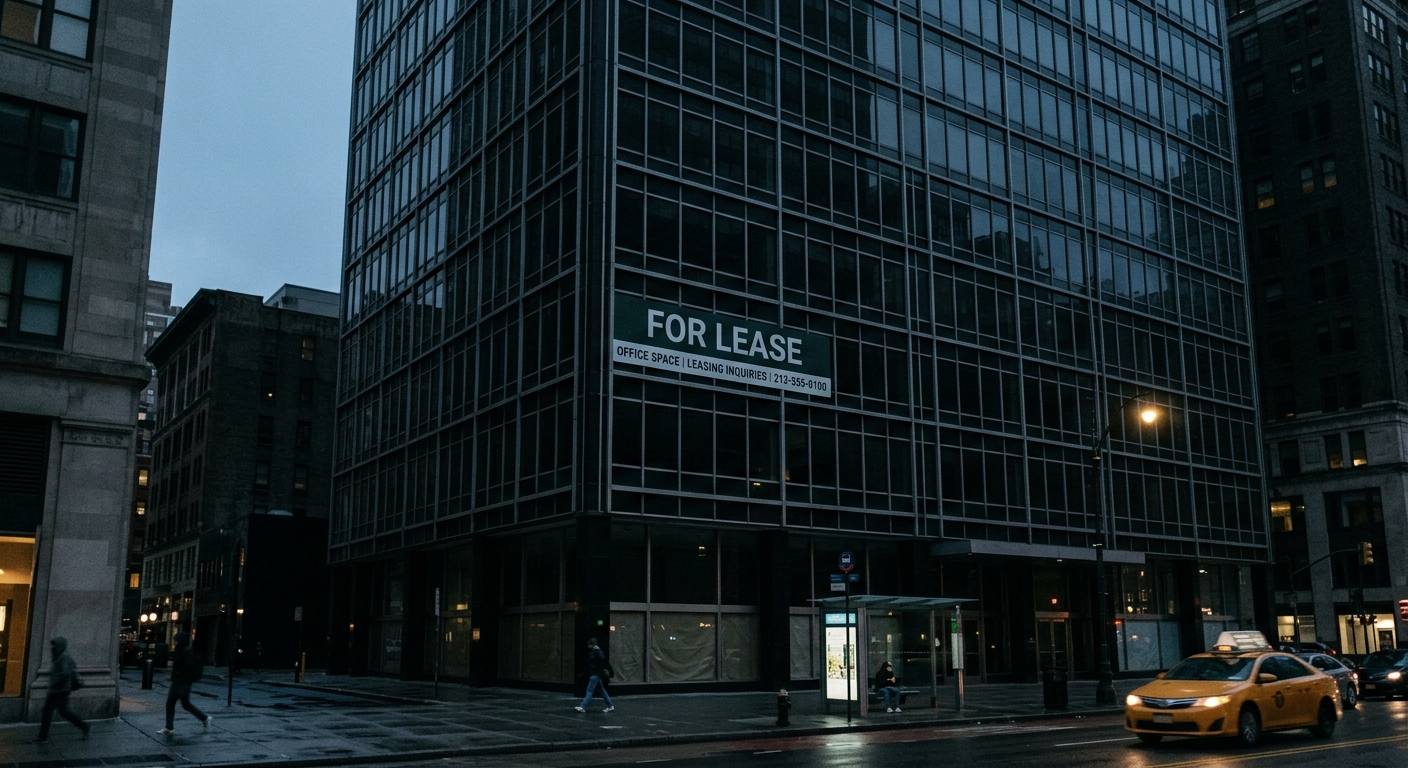
Special servicers report rising CMBS workouts while regional banks offload criticized credits, setting stage for elevated default risk through 2027.
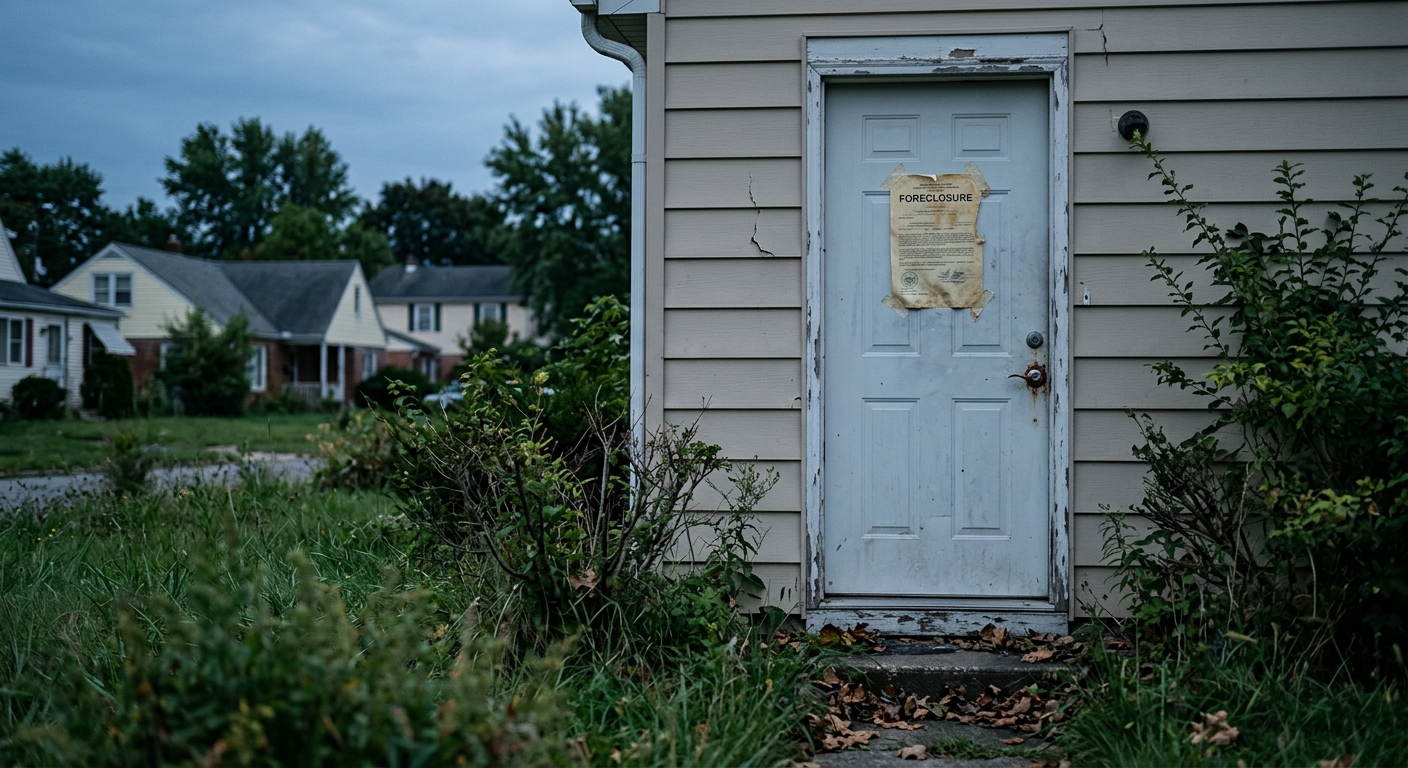
REO properties now account for 1.3% of active listings nationwide, selling at a 27% discount as affordability pressures push default rates back to 2019 levels.

Financial Policy Committee warns that multiple vulnerabilities — including a substantial rise in prime-brokered equity leverage and stretched AI valuations — could now crystallise simultaneously.

Regional lenders boost provisions and shed troubled exposures ahead of 2026–2028 maturity wall as higher rates squeeze office and retail properties.

Major carriers are abandoning coastal and Sun Belt markets or sharply raising premiums, forcing commercial owners to retain more risk as climate losses reshape underwriting.

New brief argues rental housing's transformation into a financial asset class backed by speculative underwriting creates systemic fragility that traditional supply-side policies cannot address.

A large wave of loans maturing over the next 18–24 months is forcing borrowers to refinance at sharply higher costs just as valuations have fallen and occupancy remains weak.

Special servicers report rising watchlist transfers and workout requests as hundreds of billions in CMBS and bank loans approach refinancing windows.

Major insurers tighten coverage and raise deductibles for hurricane, flood and wildfire zones as catastrophe models turn volatile.

Hyperscaler and AI-related debt issuance could hit $465 billion in 2026, nearly 20% of total market volume, as spread widening signals investor caution over buildout risks.

Public fund cited for weaknesses in testing and documenting safeguards around property-management and investor systems.
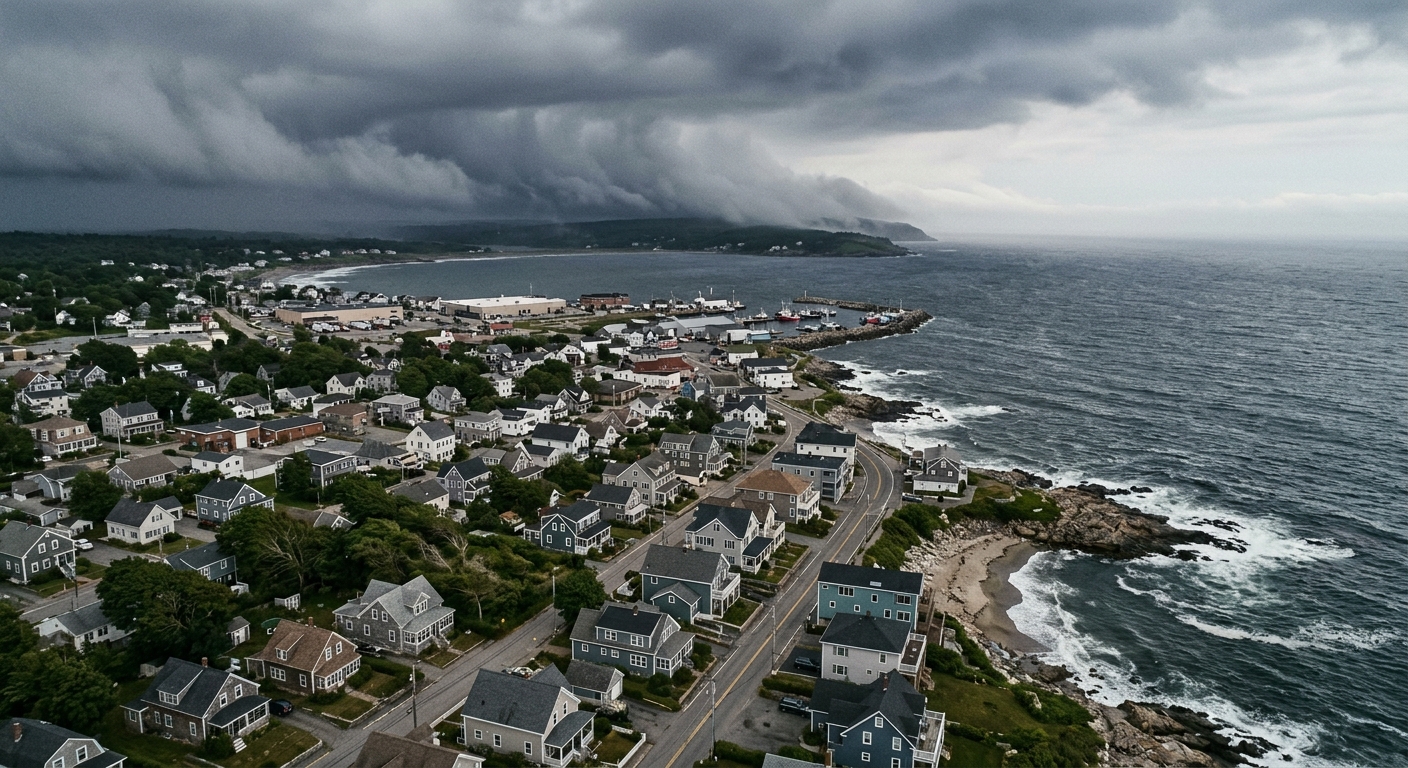
Major carriers are reducing coverage and raising premiums in hurricane, wildfire and flood zones, forcing more property owners onto costlier state-backed pools.

Escalating premiums, withdrawn coverage and lender scrutiny are forcing property owners to discount sales or fund costly resiliency upgrades as insurability becomes central to transaction negotiations.

Troubled debt surges as low-rate-era borrowers face sharply higher debt-service costs, with office and aging retail leading the wave.

Global structured finance defaults fell in 2025, but distressed commercial real estate exposures—especially in office and retail—remain under heightened surveillance amid refinancing headwinds.
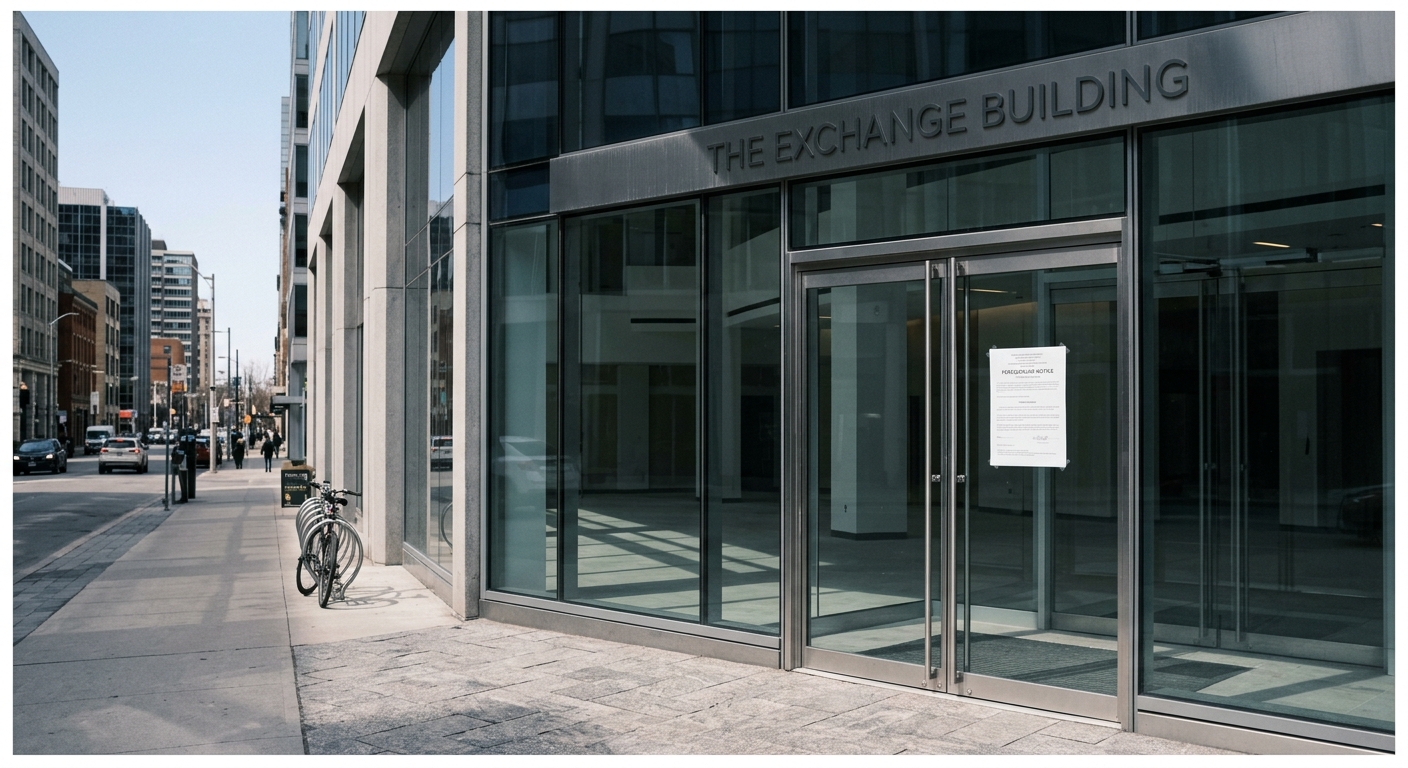
Elevated debt pressures and tighter lending standards threaten distressed sales and credit losses across office and retail property markets, multilateral body warns.

Ransomware, data breaches, and tightening insurance terms push property owners to rethink operational technology security.

High interest rates and tighter lending push CRE stress to unprecedented levels as refinancing wave looms over next two to three years.

ECB analysis reveals rising corporate failures have not translated into deteriorating asset quality for euro area banks, pointing to structural shifts in how companies access capital.

Insurance capacity remains ample across most coverage lines, but banks, insurers and asset managers face selective pricing pressure tied to commercial real estate stress, social engineering losses and catastrophe volatility.

Double-digit premium increases and carrier exits force owners to recalibrate risk as lenders tighten standards for flood-prone assets.

String of recent hacks targeting property-management software and building controls forces owners to rethink operational vulnerabilities as insurers tighten coverage.