The Federal Deposit Insurance Corporation has issued a stark warning about the vulnerability of the banking sector to ongoing commercial real estate distress, particularly in office properties. In a new report, the agency cautioned that continuing weakness in the asset class could contribute to additional bank failures as the sector grapples with structural headwinds and elevated borrowing costs.
The timing of the warning is critical. Many commercial real estate loans are now approaching maturity in a significantly higher interest-rate environment than when they were originally underwritten. This mismatch is raising refinancing and default risk for highly leveraged borrowers who face both costlier debt and diminished property values, creating a dangerous squeeze on capital structures.
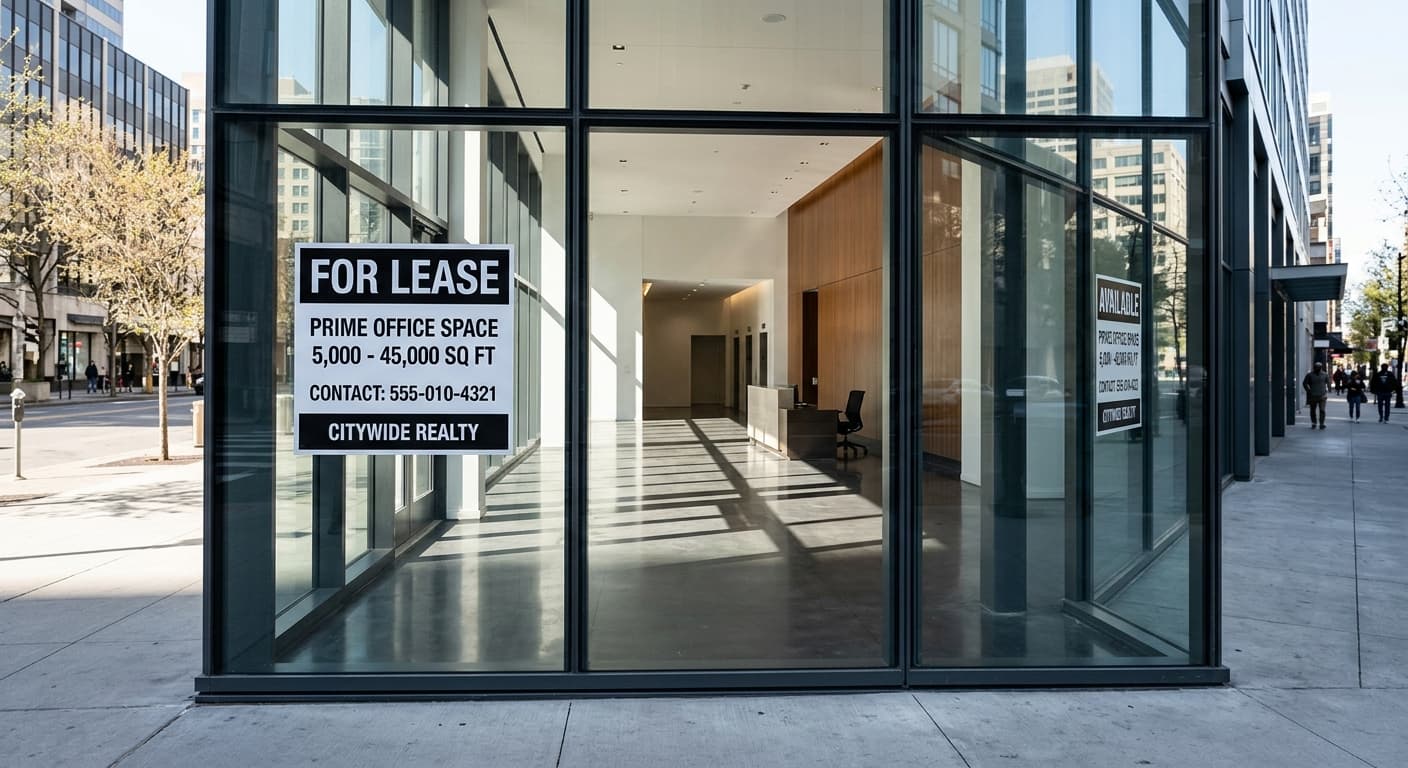
Collateral erosion is already underway across multiple markets. According to the FDIC, declining property values combined with rising vacancies are placing pressure on debt-service coverage ratios. The impact is most acute in central business district office assets, where hybrid work patterns have fundamentally altered demand dynamics and left many buildings struggling to maintain occupancy.
The exposure is not evenly distributed across the banking system. Community and regional banks are most vulnerable to commercial real estate stress, with some institutions carrying concentrations where CRE represents more than half of total loan portfolios. This lack of diversification leaves smaller lenders particularly exposed to localized market downturns and individual credit events.
Federal supervisors are responding with heightened scrutiny and specific guidance. The FDIC is urging institutions to bolster credit risk management frameworks, re-underwrite loans as they come due, and develop contingency plans for stressed scenarios in concentrated markets. The regulatory push reflects concern that banks may be underestimating the severity of potential losses.
Despite the clear risks, the agency emphasized that the overall banking system remains sound. The FDIC's assessment suggests systemic stability is not immediately threatened, even as pockets of vulnerability emerge. However, the regulator made clear that localized losses tied to distressed commercial properties could still be significant for individual institutions and their communities.
The warning arrives as family offices and other real estate investors recalibrate their own portfolios in response to the same market forces. Distressed debt opportunities are multiplying as borrowers struggle to meet obligations, while direct property acquisitions remain complicated by valuation disagreements and the difficulty of underwriting future cash flows in an uncertain leasing environment.
For banks with heavy CRE books, the path forward requires difficult decisions about loan modifications, foreclosures, and capital reserves. Institutions that moved aggressively into commercial real estate during the low-rate era now face the consequences of concentration risk, while better-diversified competitors are positioned to weather the downturn and potentially acquire market share through strategic combinations.