
UK Pushes Commercial EPC B Standard to 2031, Narrowing Window for Retrofit Capital
Landlords of large rented buildings gain one year but face firmer cost-of-compliance arithmetic as operational guidance remains pending.

ESMA finds transition plans generic and lacking concrete targets, raising financing risks for carbon-intensive real estate.

As carbon-intensity caps approach enforcement, landlords are prioritizing electrification and envelope upgrades while lenders integrate climate-risk metrics into underwriting.

The firm argues reporting obligations should align with material risk and investor usefulness, as global frameworks remain fragmented.

Proposed relief from reporting obligations would reduce compliance pressure on mid-sized operators still building climate-data capabilities.

Large apartment owners are launching comprehensive retrofit roadmaps that balance climate targets with institutional return requirements, driven by insurance, tenant and lender demands.

Energy-efficient certified offices in London, Paris and Frankfurt command rent premiums versus comparable non-certified stock.

Dedicated retrofit-only strategies are emerging inside larger family offices targeting older Class B office and multifamily stock.

New mandatory disclosure regimes are raising the bar for ESG reporting on real-estate portfolios held by family offices in Europe.

Analysis of 2,000 buildings across five global cities shows environmental accreditation drives higher rents even after controlling for location, age and grade.

Designers and consultants pressed firms to integrate carbon and resilience costs at project inception rather than treating climate disruption as an episodic expense.
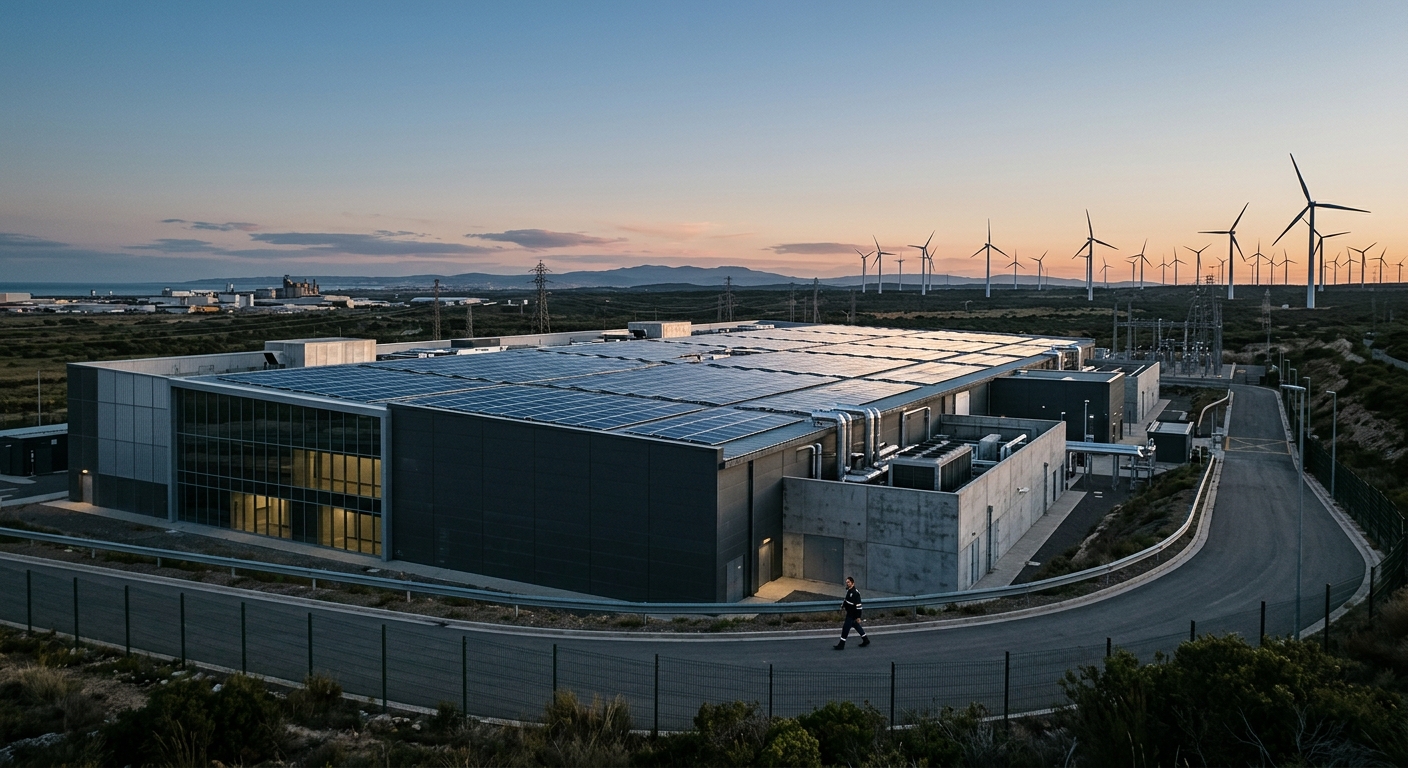
South Korea launched a $750 billion decarbonization plan while Google signed a 20-year nuclear power deal as sustainability finance activity accelerated.

European Banking Authority says EU bank exposure to high-emission sectors held at 62% through the second half of 2025 while energy-efficiency data improved.

The two dominant carbon-accounting bodies will launch a unified standard, ending years of overlapping guidance that raised compliance costs for corporate reporters.

The tech giant reduced operational emissions even as electricity demand climbed, illustrating how large-scale power procurement can offset infrastructure carbon exposure.

Biden administration allocates federal funding to incentivize local governments to reduce density restrictions and streamline development approvals amid national housing shortage.

The two South Korean shopping centers remain the only retail facilities in the country to hold the global benchmark's highest sustainability grade since 2024.
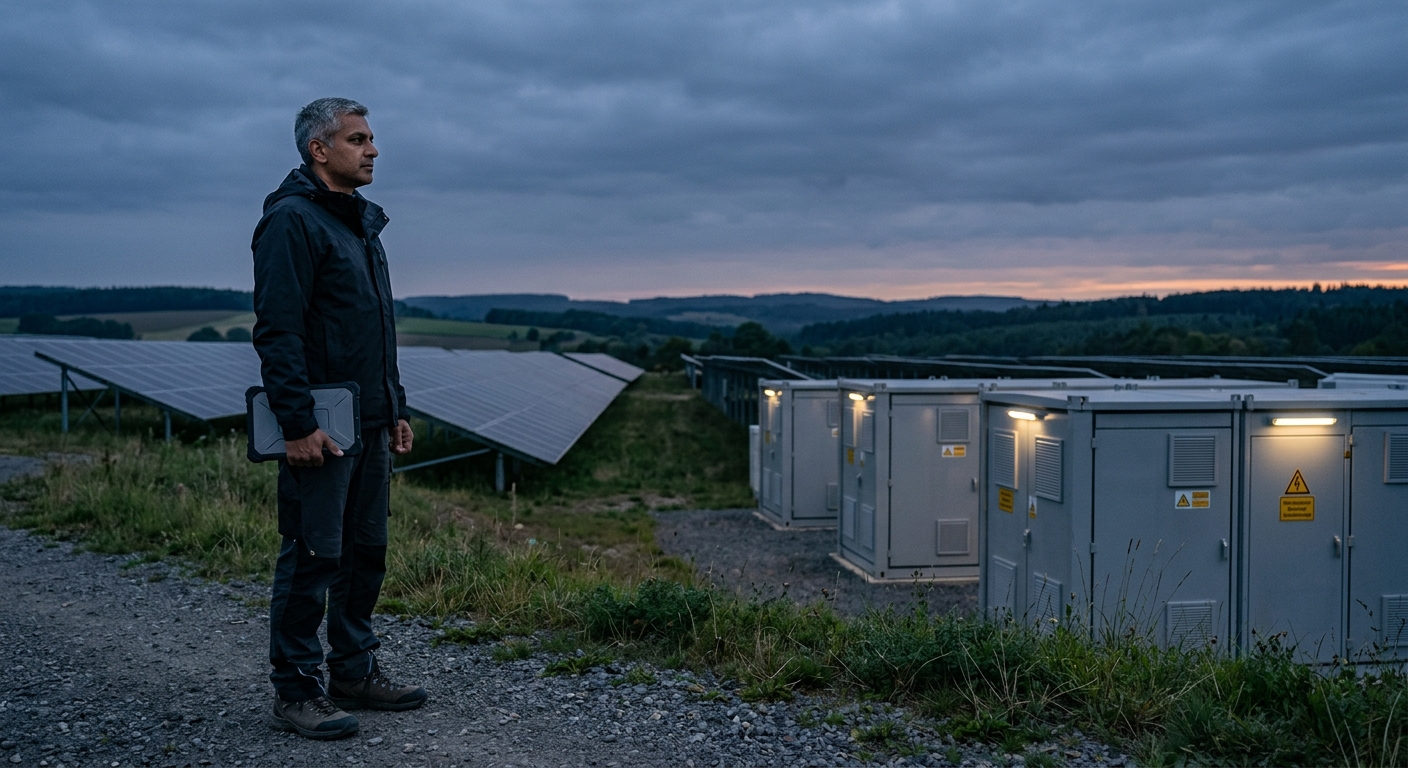
The vehicle has committed to three assets spanning 1.5 gigawatts of generation and battery storage across Finland, Sweden and Ireland.

Nest Pensions issues request for proposals to assess how abrupt ecosystem changes could affect asset allocation under different climate pathways.

The fund targets clean energy infrastructure in growth markets as institutional capital flows toward climate transition assets in developing economies.

The Canadian real estate firm's 2025 ESG report shows an 8% reduction in electricity use across its $24.2 billion portfolio.

Norges Bank Investment Management argued alternatives could address cost concerns while preserving baseline disclosure, framing climate data as financial risk rather than environmental policy.

Local Law 97 forces owners of large commercial buildings to cut greenhouse gas output or face fines, driving a wave of retrofits and decarbonisation deals across the city.

New core-plus vehicle focuses on energy retrofits and climate-aligned performance as regulatory pressures reshape European commercial property markets.

Coalition managing hundreds of billions presses boards on emissions targets and transition roadmaps as mandatory reporting rules loom.

Federal regulator asks appeals court to pause review as it moves to formally scrap Biden-era ESG requirements, creating uncertainty for property owners and lenders.

A new generation of tools is helping owners map physical risks and translate climate exposure into projected financial impact across portfolios.