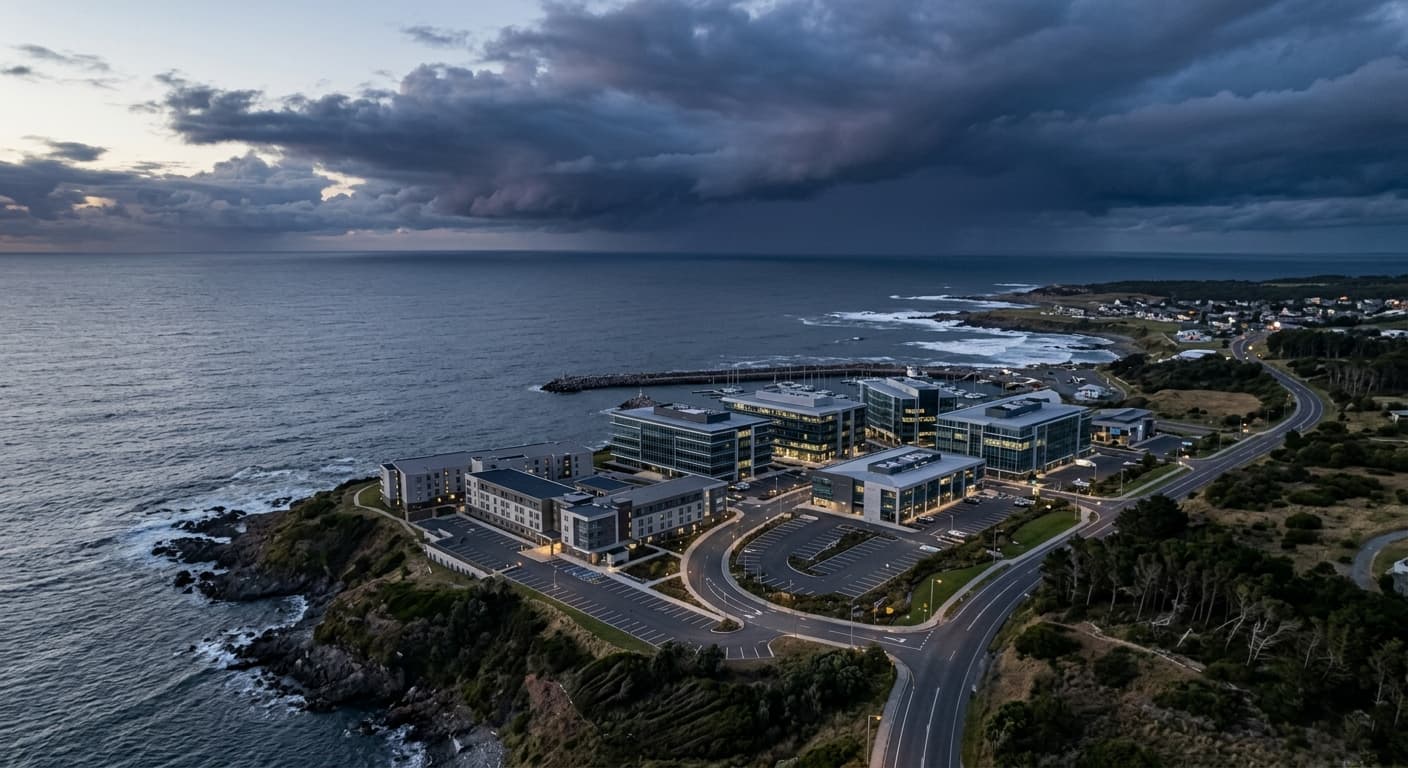
Escalating climate risks are forcing a fundamental repricing of commercial real estate in U.S. coastal and high-hazard regions, as insurers withdraw coverage or impose premium increases and deductibles large enough to erode net operating income and valuations. The confluence of stronger hurricanes, flooding and wildfire has turned insurance availability from a compliance checkbox into a central element of risk management and transaction negotiations, according to a new report from CNBC.
The pressure is structural. Insurers are pulling back coverage altogether in some markets or imposing large premium hikes and deductibles that property owners struggle to absorb. For assets with ten- or fifteen-year hold periods, the cumulative effect of annual double-digit insurance inflation can reshape return assumptions and force mid-cycle capital calls or dispositions at a discount.
Lenders and rating agencies have responded by baking climate exposure and insurability into their underwriting and credit assessments. The result is a tightening refinancing market for vulnerable assets, particularly those in flood zones or wildfire-prone areas where historical loss data is being revised upward. What was once a tail risk is now a lead covenant, and properties that cannot demonstrate resilience or secure cost-effective coverage face higher debt costs or outright rejection.
Several property owners interviewed by CNBC describe a difficult trade-off: either pass escalating insurance costs to tenants—risking lease renewals and occupancy—or absorb the expense and watch net operating income compress. In practice, many leases were signed before the current insurance regime and lack sufficient pass-through provisions, leaving landlords exposed to cost inflation they did not underwrite.
The alternative is capital-intensive resiliency upgrades—flood barriers, hardened roofs, backup power, fire-resistant landscaping—but those investments often fail to pencil against near-term sale proceeds. As a result, some owners are choosing to sell at a discount rather than fund expensive retrofits, effectively marking down the asset to reflect its new risk profile and creating a widening bid-ask spread in secondary markets.
The shift has implications beyond individual transactions. As insurance availability and pricing become embedded in valuation models, entire submarkets face repricing. Coastal office, retail and industrial properties that were underwritten with legacy insurance assumptions now carry embedded obsolescence, and buyers are demanding steeper discounts or walking away entirely when quotes come back uneconomic.
For allocators, the insurance squeeze introduces a new layer of operational complexity. Asset managers must now model not only rent growth and cap-rate compression but also the trajectory of climate-driven insurance costs and the willingness of carriers to renew at any price. That requires deeper due diligence, more conservative NOI projections and explicit conversation about exit scenarios in a world where the pool of willing buyers for high-hazard assets is shrinking.
The CNBC report underscores that climate risk is no longer a disclosure item or an ESG bullet point. It is a liquidity event, a refinancing constraint and a valuation haircut—all rolled into one. Properties that cannot secure affordable, reliable coverage are becoming uninvestable, and the timeline for that transition is measured in quarters, not decades.