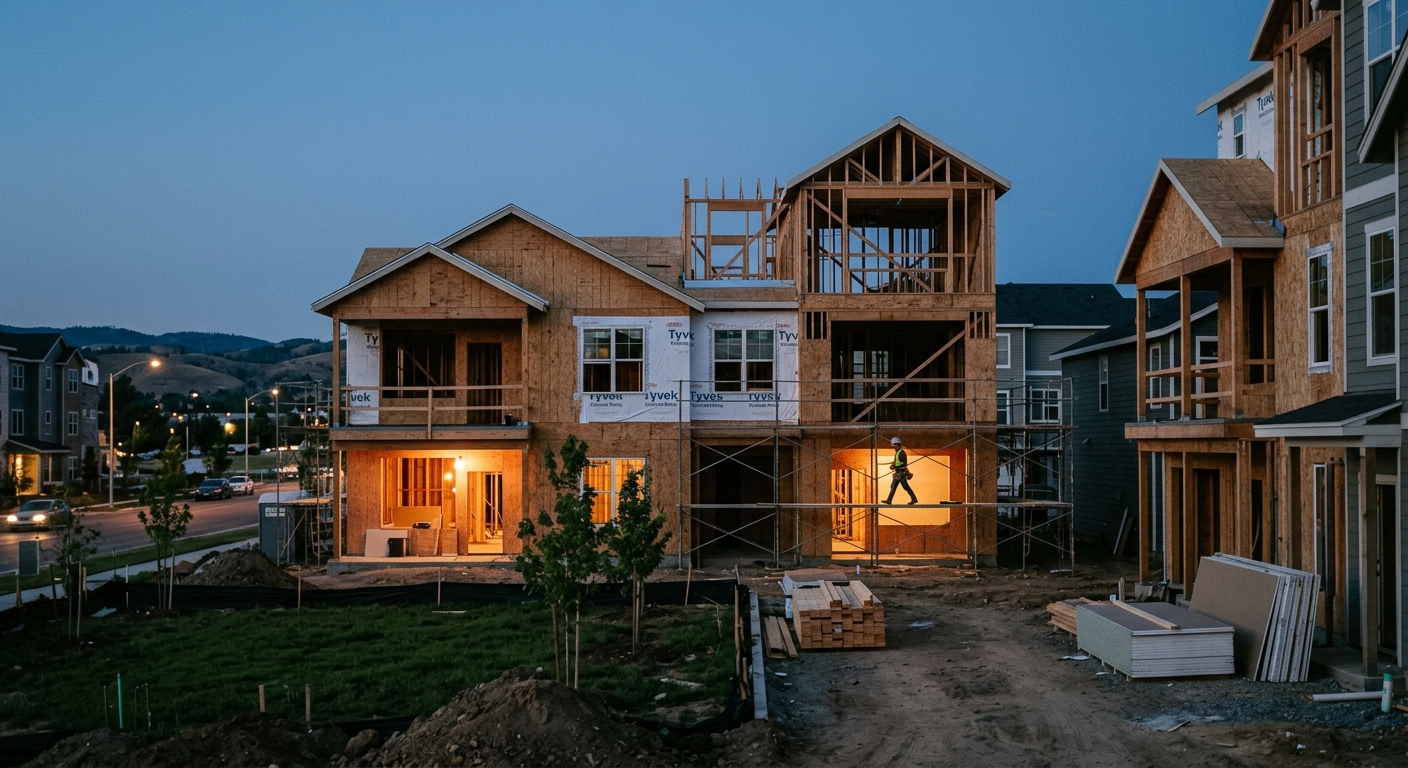
Family Office Founder to Argue Workforce Housing Case at Miami Summit
Daniel Kaufman will tell attendees that patient capital and freedom from fund deadlines give family offices an edge in a segment institutional investors typically avoid.
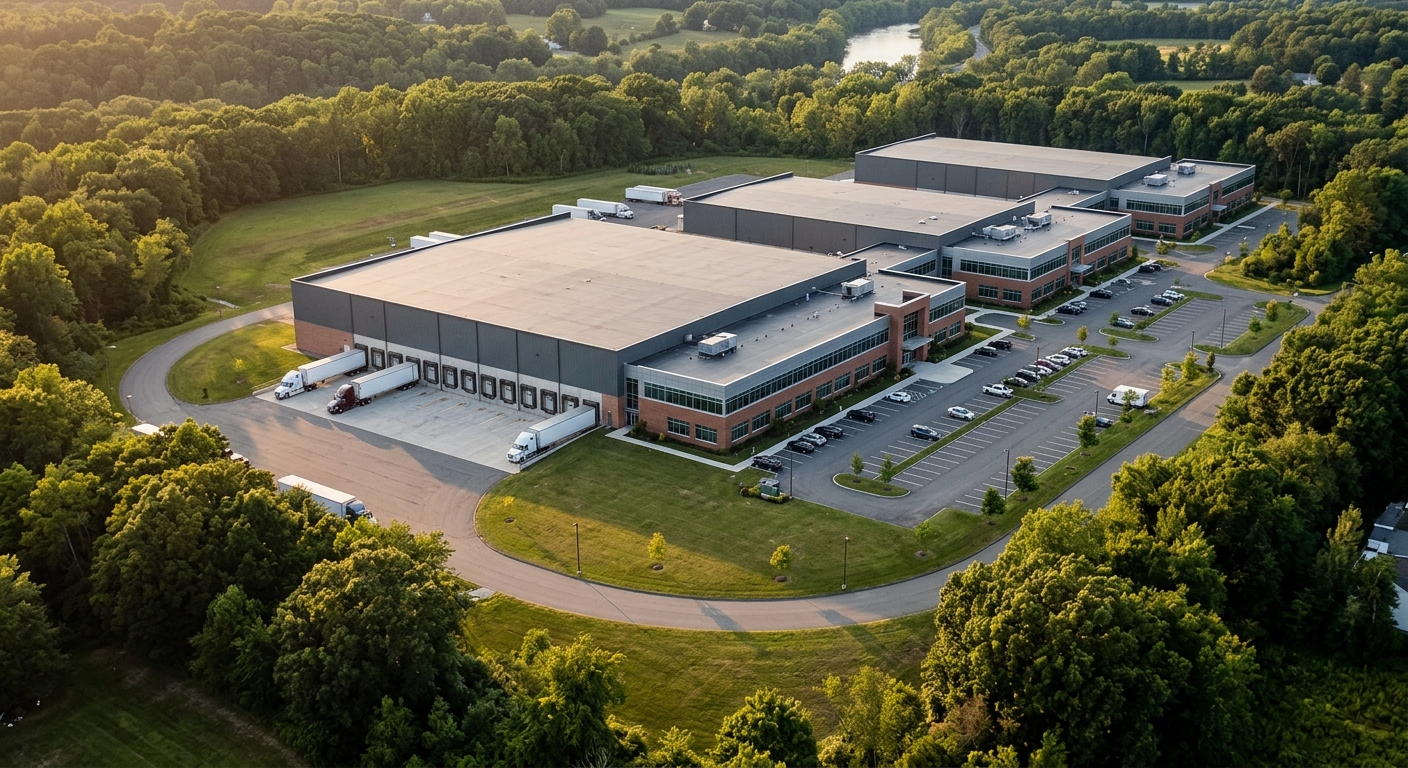
The Boston firm partnered with Lockspur Real Estate and family office capital to acquire the 115,000-square-foot buildings in Westborough.

Hallucination rates for financial calculations reach the mid-to-high 80s in multiple studies, creating liability exposure for firms with fiduciary duties.

Advisors could hold client digital assets directly under certain conditions, ending a regulatory impasse that has complicated crypto custody since 2023.
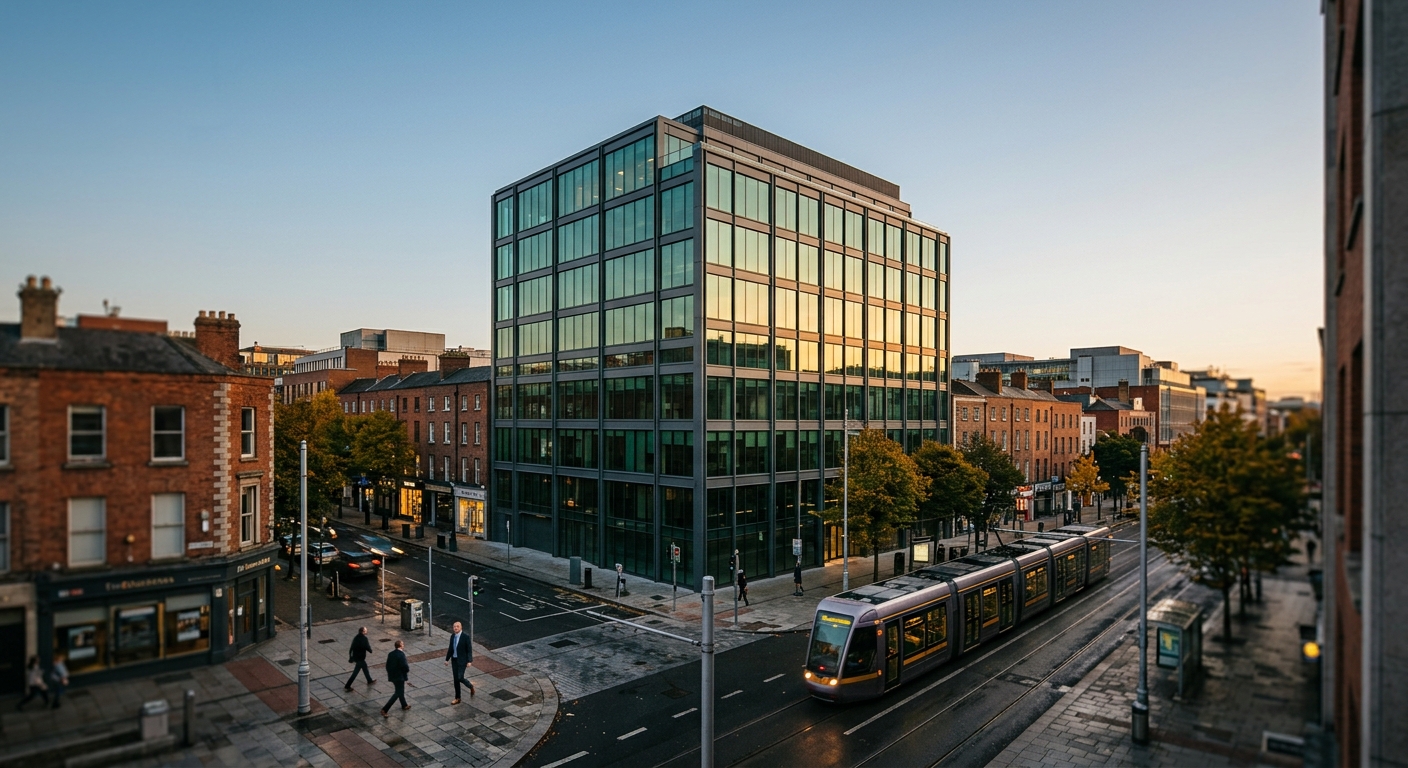
JLL brokered the sale of a 552,550-square-foot Galleria complex at 89.5 percent occupancy while PAULS reacquired a Tech Center tower it previously owned.
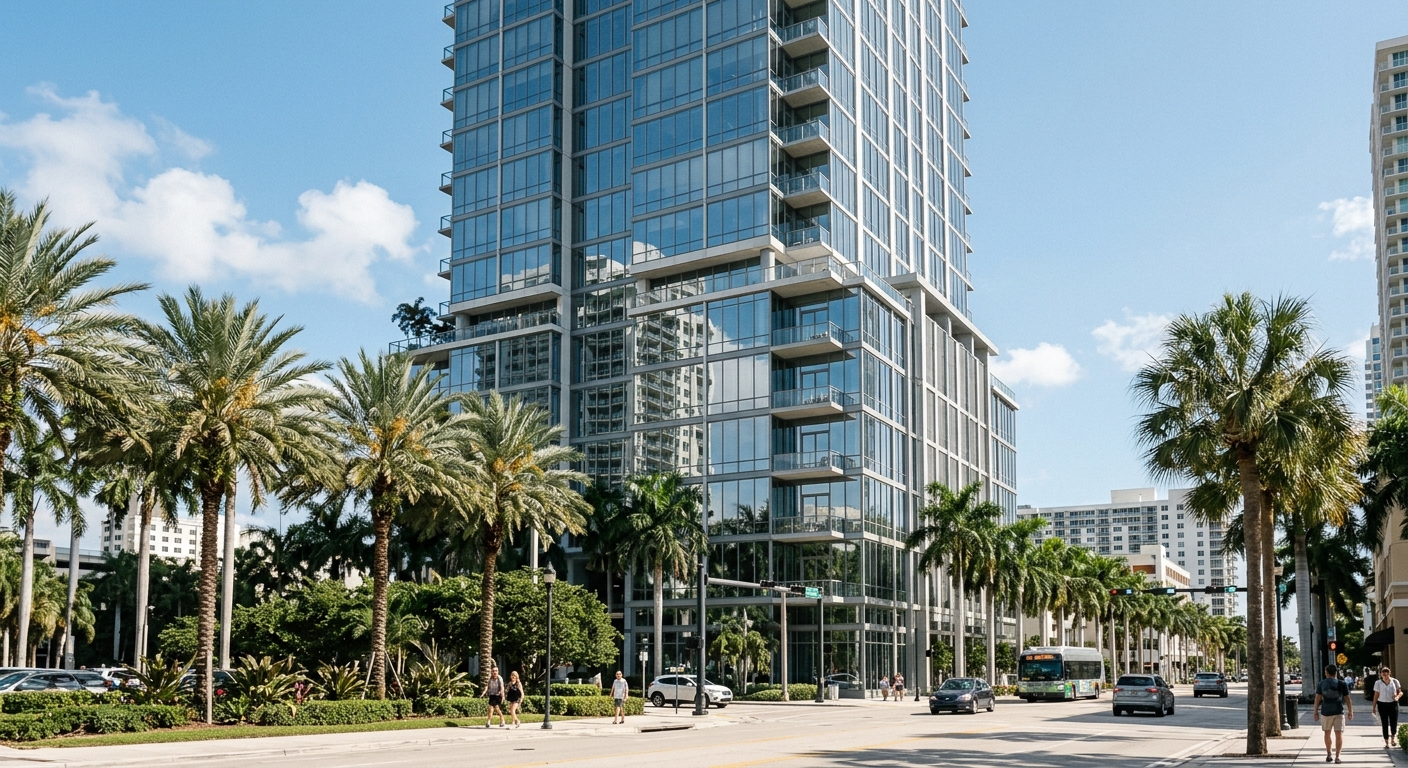
The Miami developer paid 21% below the seller's 2016 purchase price and financed the 394,000-square-foot property with $66 million in debt.
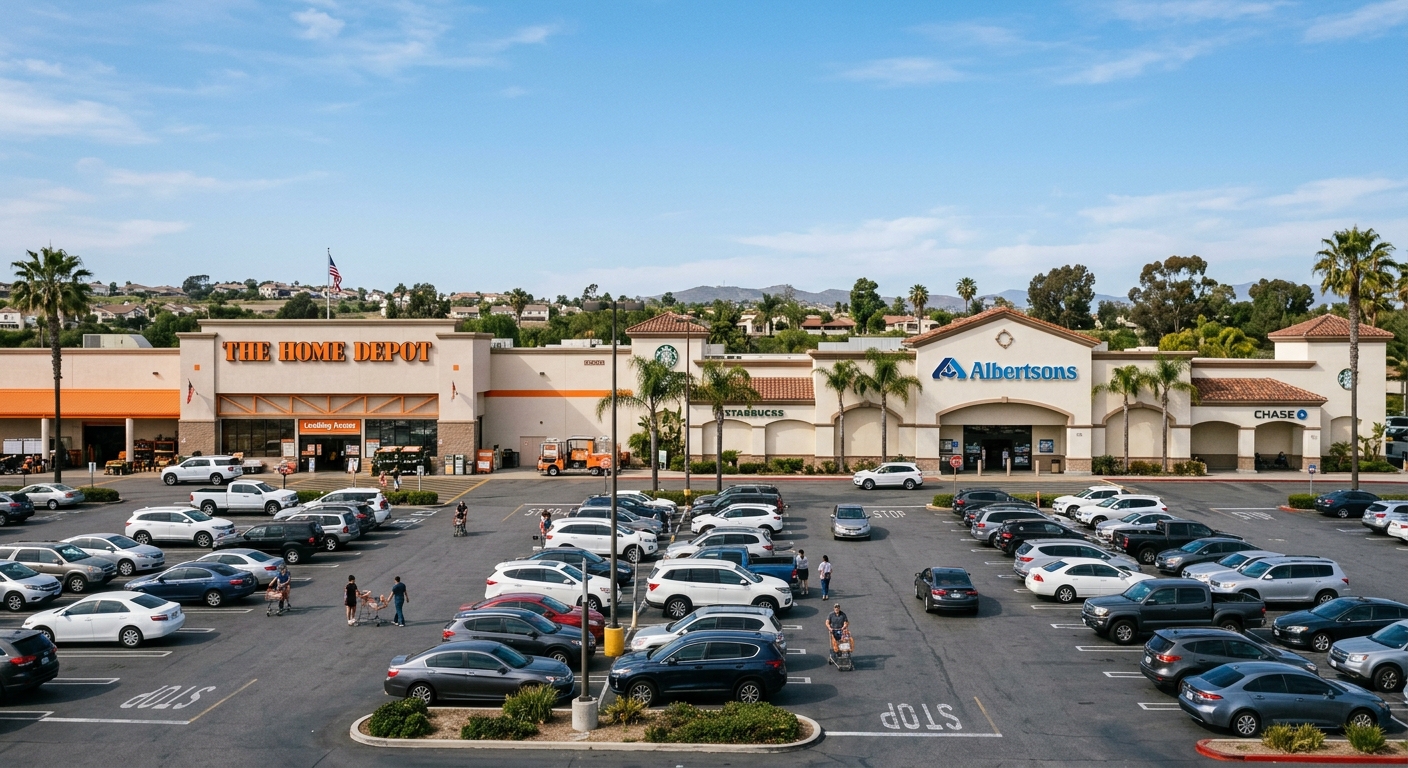
The 14.7-acre property includes Home Depot and Albertsons parcels under absolute below-market ground leases in place for more than three decades.
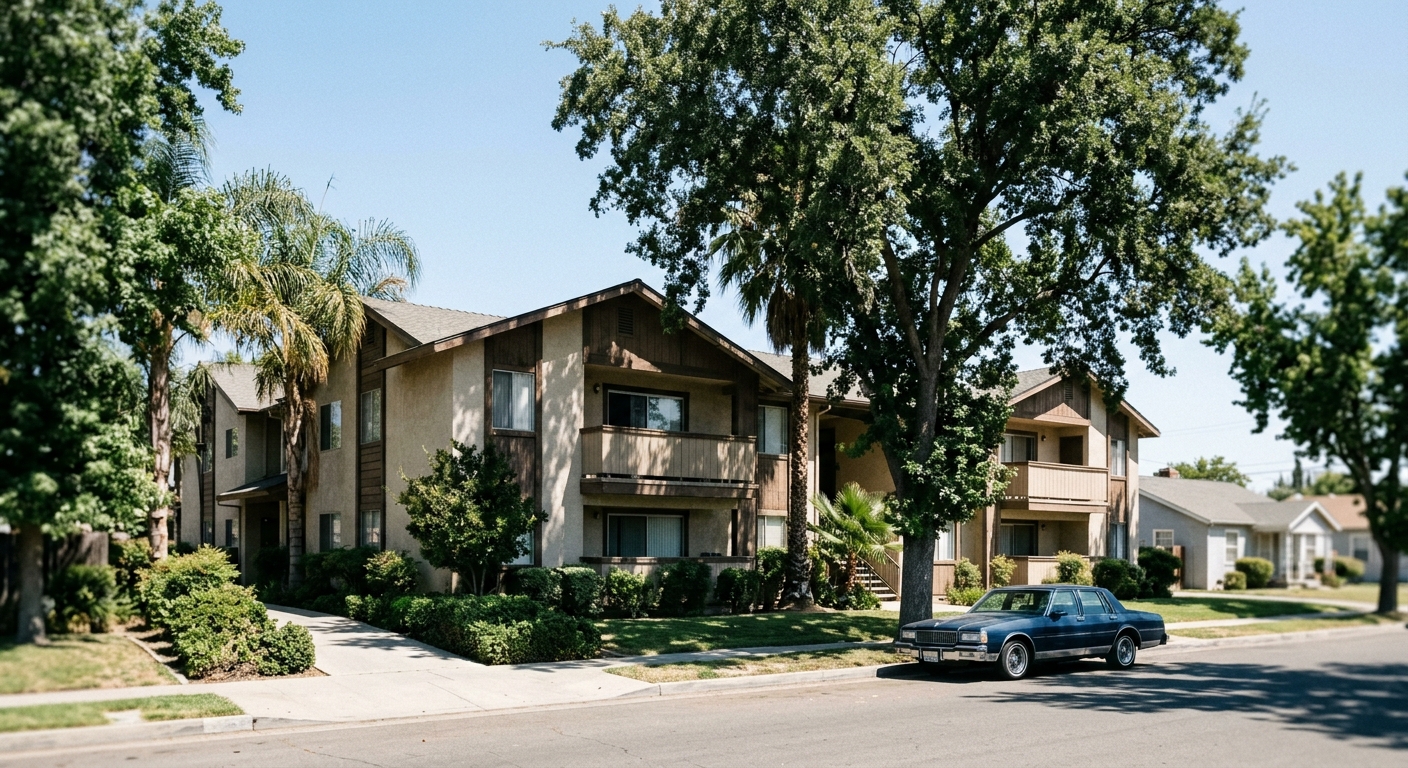
The 18-unit property in Fresno's Bullard submarket traded between two family offices after years under the seller's ownership.
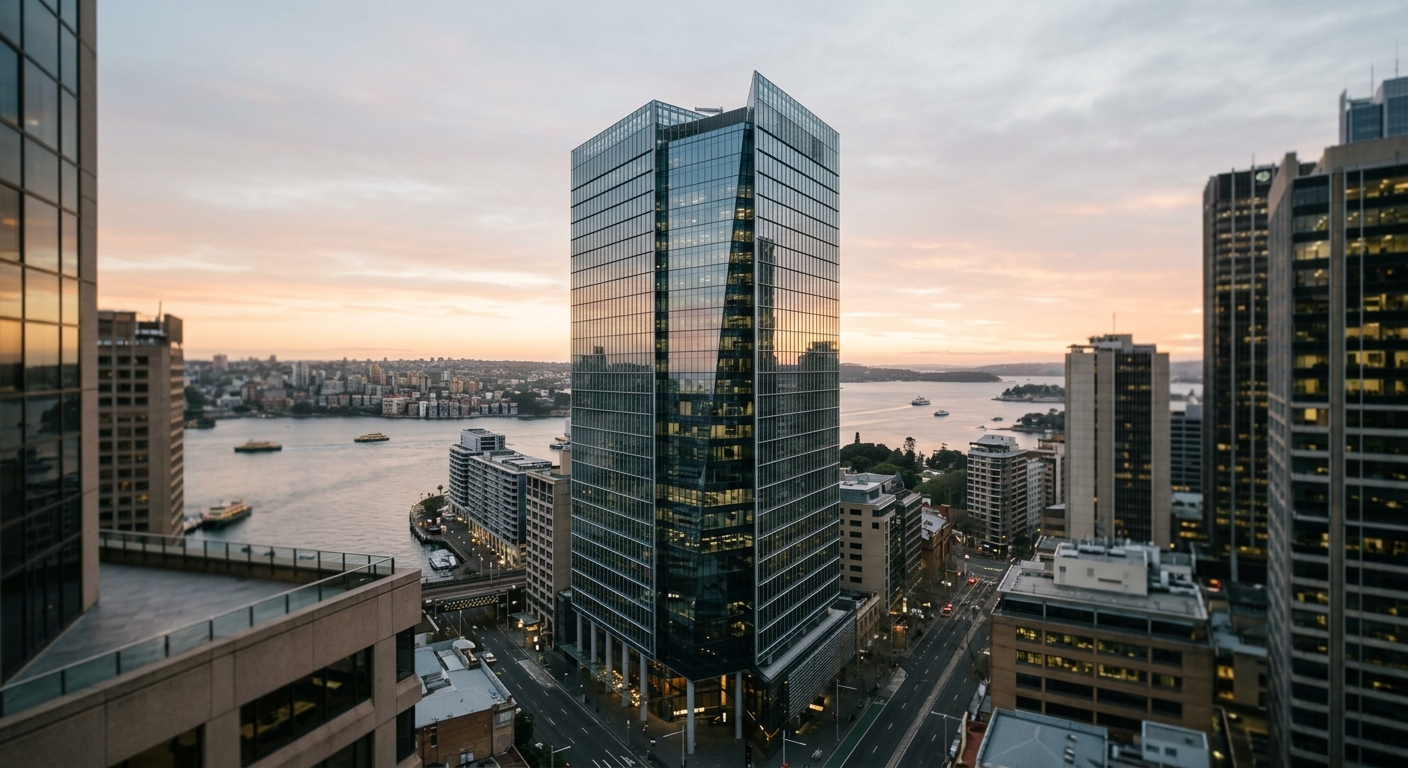
The investment in Ironbark Financial Group marks the U.S. firm's largest deal outside America as it expands its global partner network to 125 firms across six countries.

Financial institutions generate 10 to 20 false positives for every fraudulent transaction caught, driving total fraud costs to $5.75 per dollar lost.

The Minneapolis-based firm will fold RWA's trust, estate and tax capabilities into Reserve by Wealth Enhancement, its offering for clients with $25 million or more in investable assets.
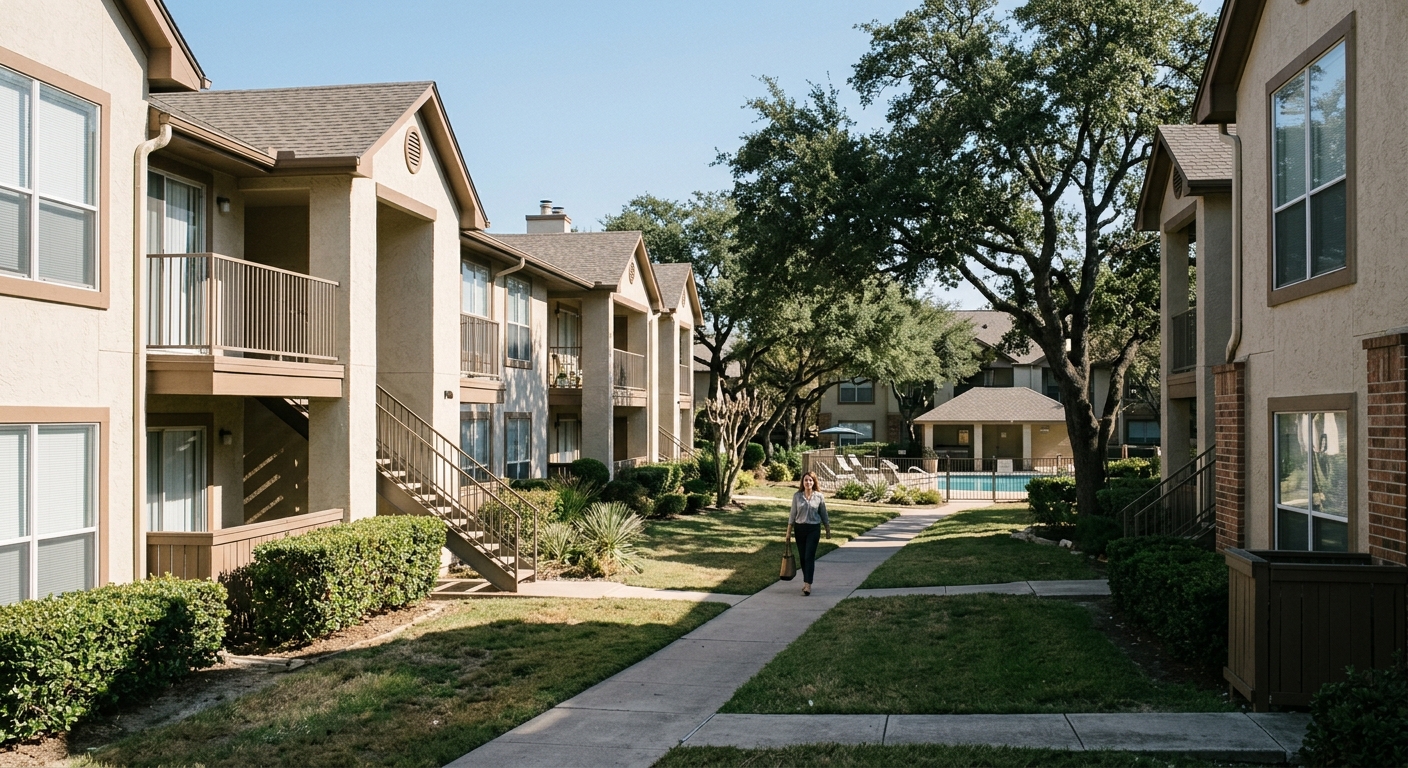
The buyer plans to spend $1 million on capital improvements including new roofs, security upgrades and exterior work at the 1985-built property.
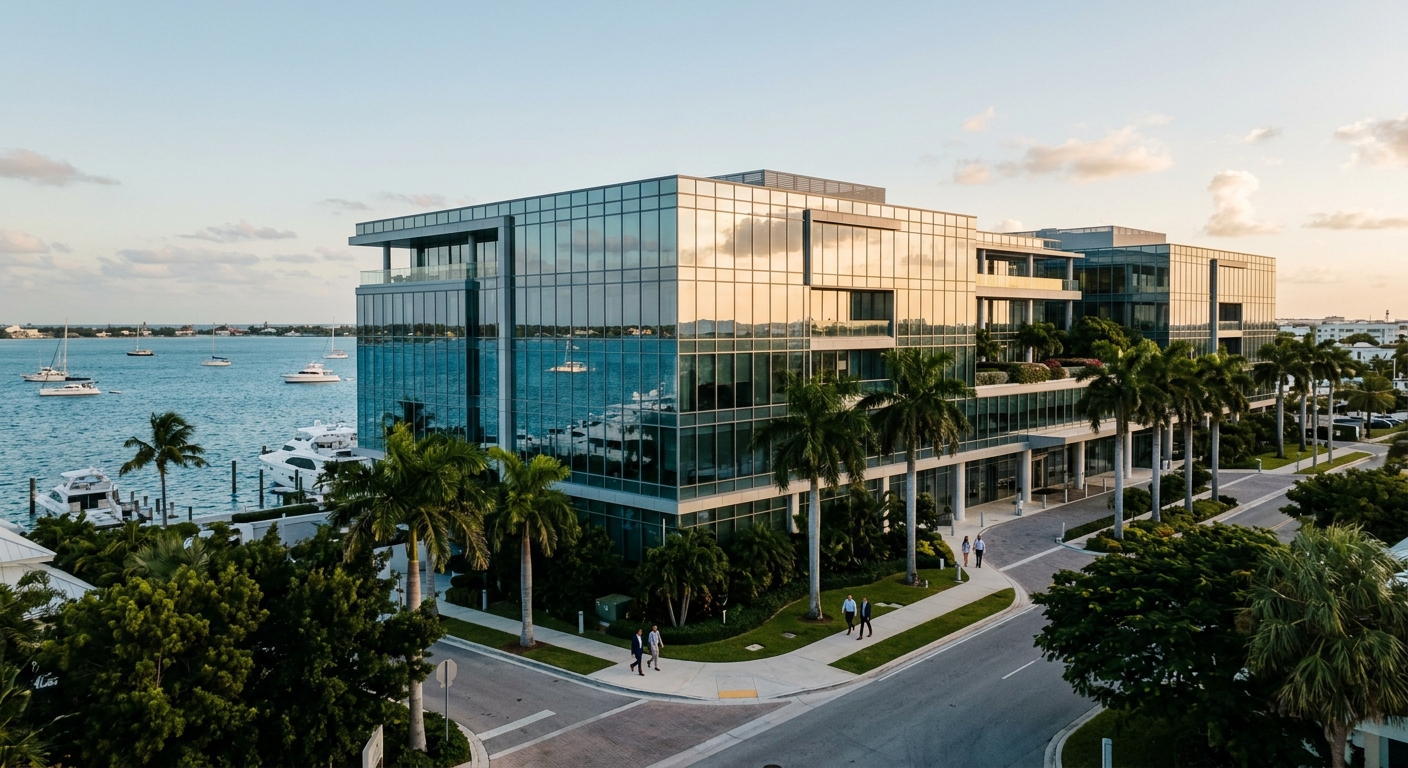
The Miami-based multi-family office now oversees $572 billion and gains access to structures domiciled in one of the world's most popular jurisdictions for private wealth.

The private equity firm, with four RIA investments since 2021, says differentiation now matters more than industry tailwinds as the consolidation cycle matures.

Two-thirds of high-net-worth individuals now hold investment real estate, while private equity and venture capital allocations climb as portfolios exceed $25 million.

The firm's new perpetual fund combines private equity, infrastructure, real estate and credit in one allocation for wealth clients.
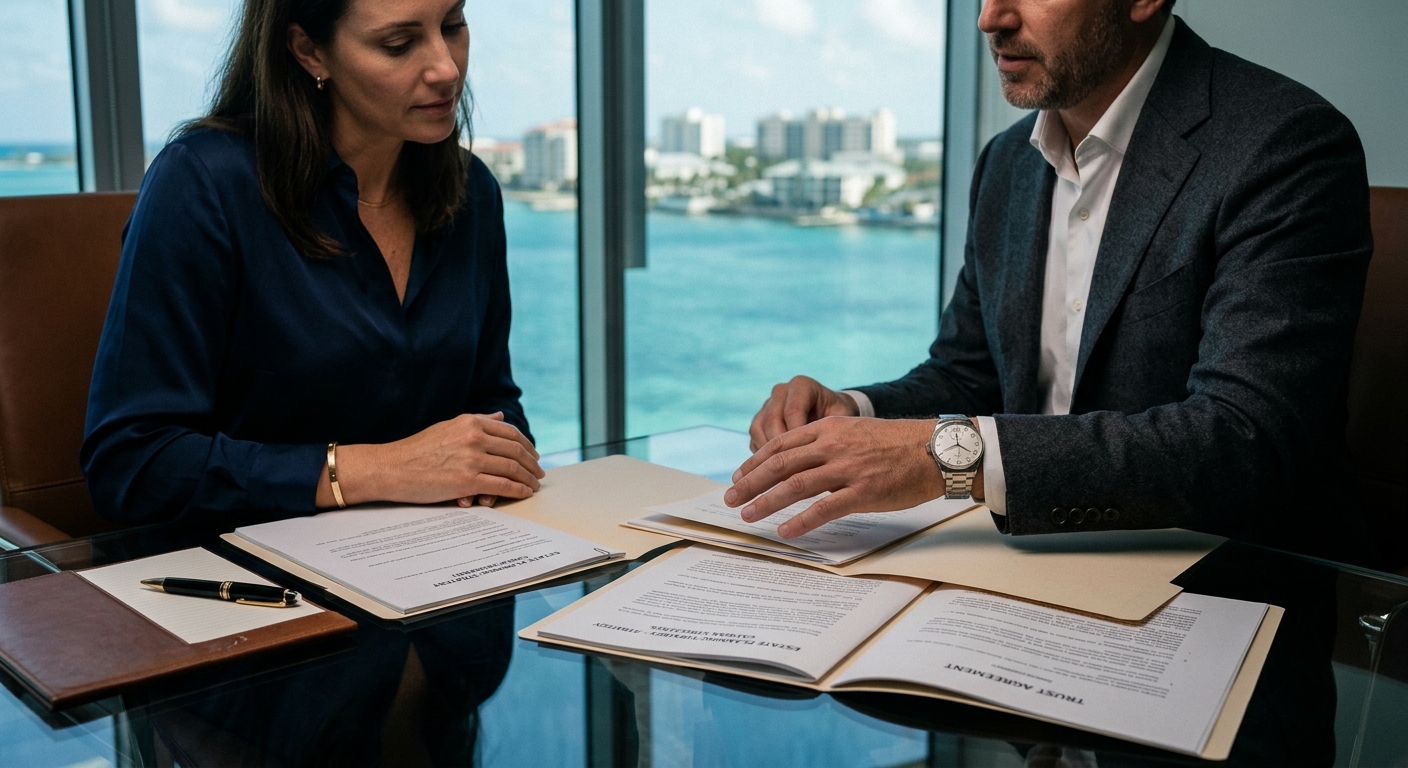
The Miami-based RIA adds FortCay Family Advisory, which serves 14 ultra-high-net-worth families, to establish its first presence in the offshore jurisdiction.
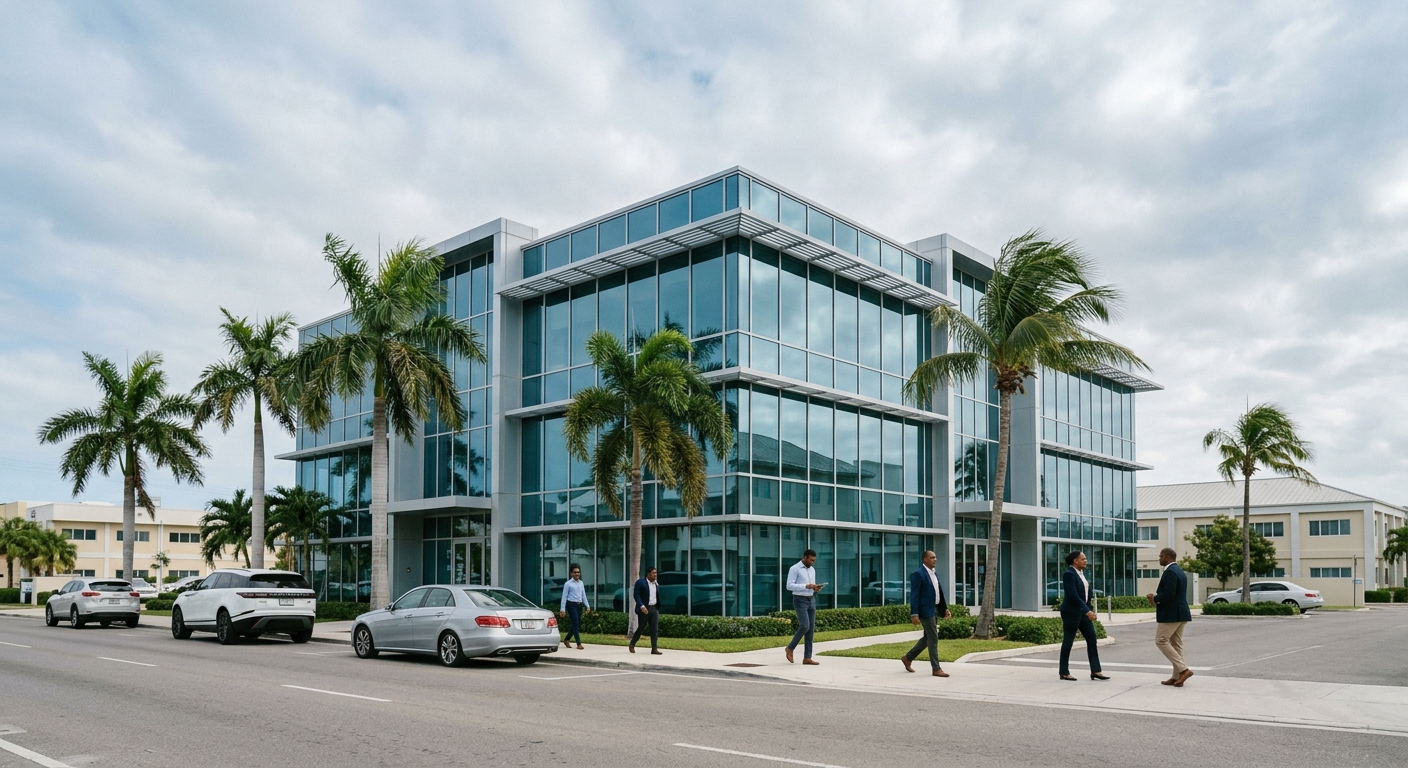
The $572 billion multi-family office adds FortCay's 14 ultra-wealthy families and $2.6 billion in assets to establish first presence in the offshore financial center.
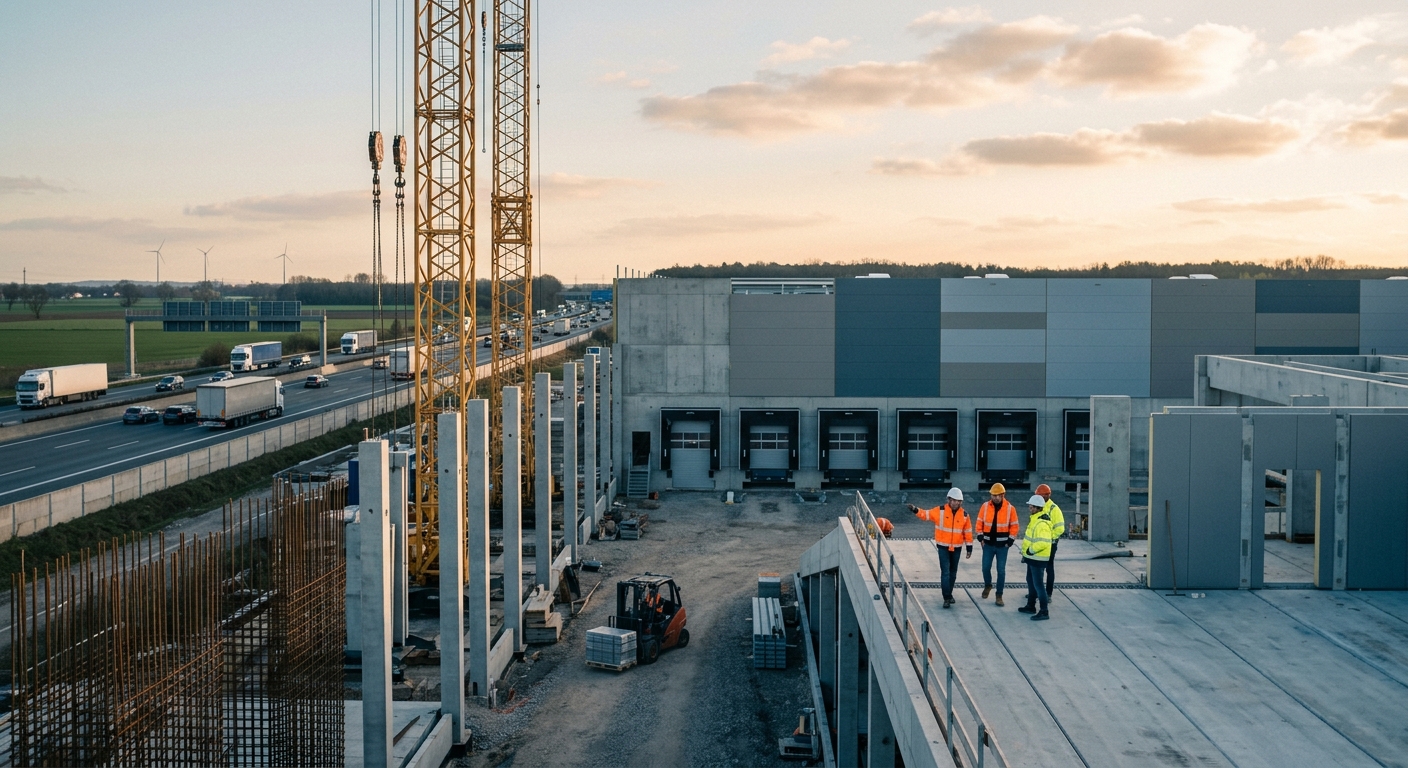
The 16,400-square-metre property near the A2 motorway was fully leased during construction and is scheduled for completion in the fourth quarter.
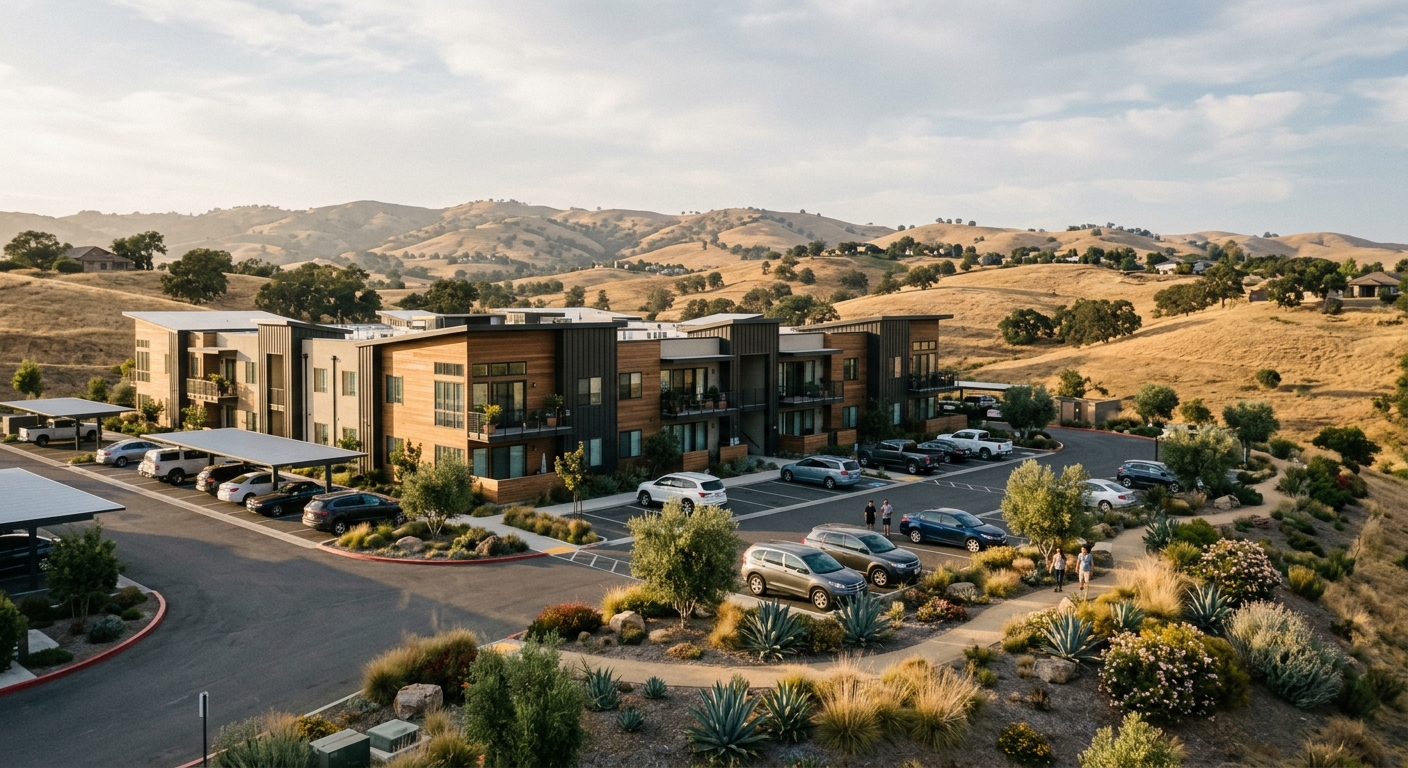
Southern California buyer assumes 3.8% HUD loan on Central Valley property sold by Bay Area's Tesseract Capital Group.
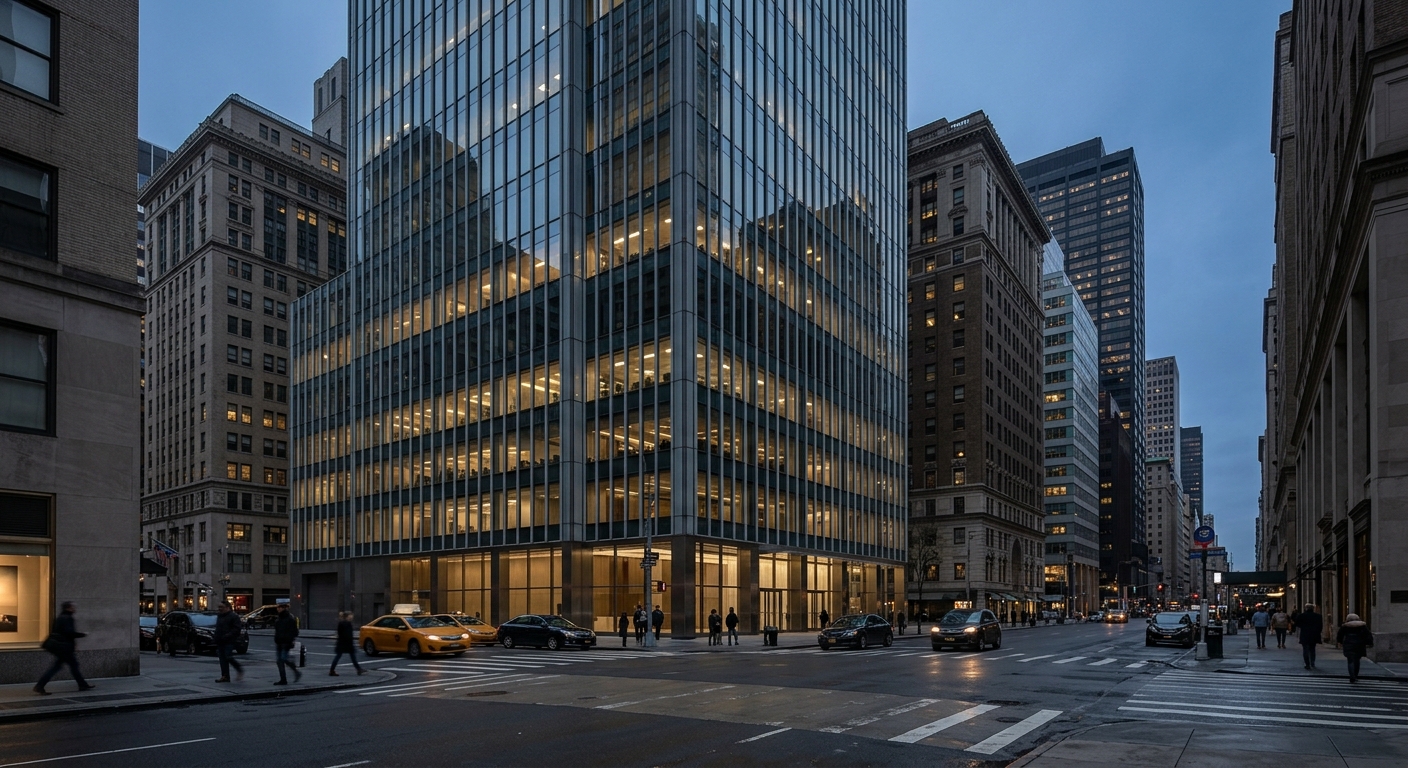
The new venture between Burger and David Levinson closed on the 575,000-square-foot Midtown tower with $215 million in debt from Bain Capital.
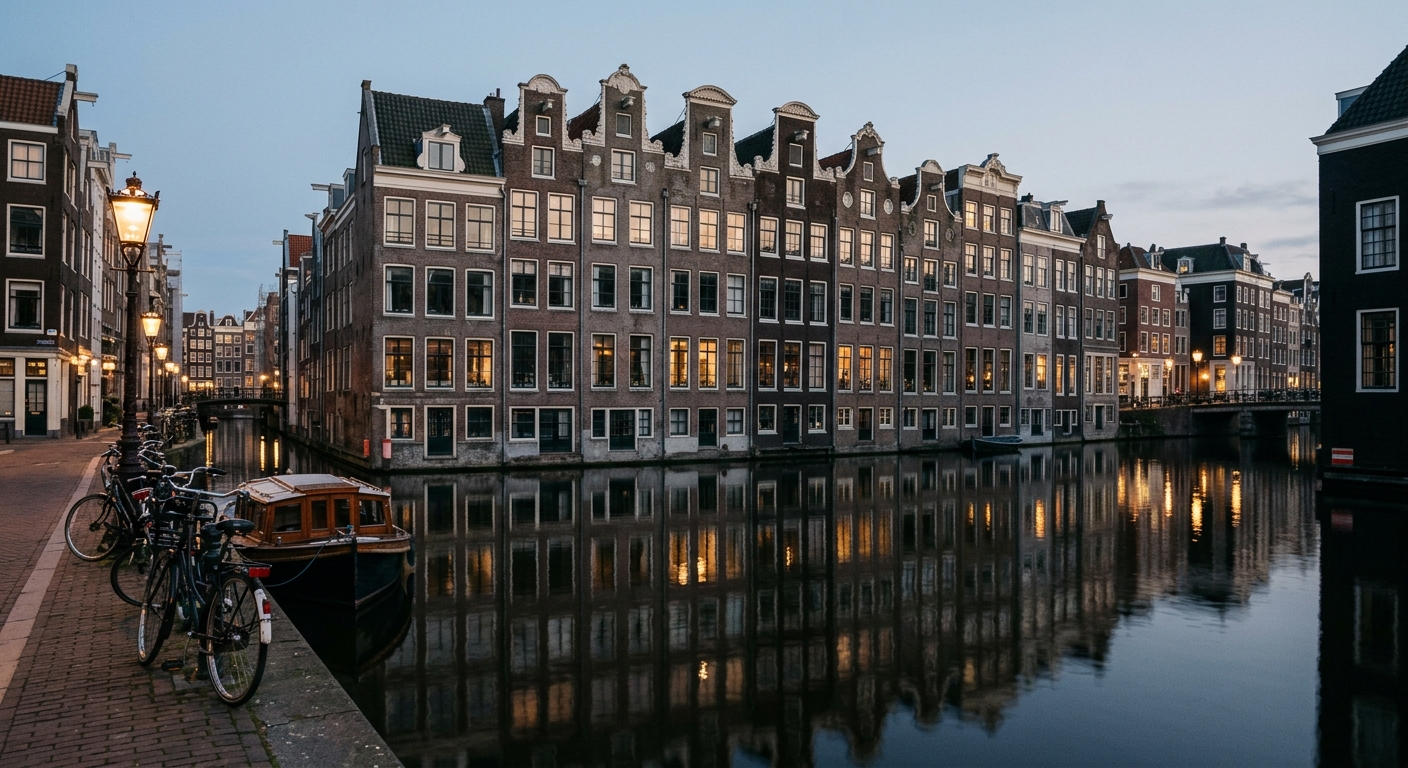
SHV Holdings and HAL Holding together manage nearly $40 billion in operating companies and liquid portfolios structured outside conventional fund timelines.
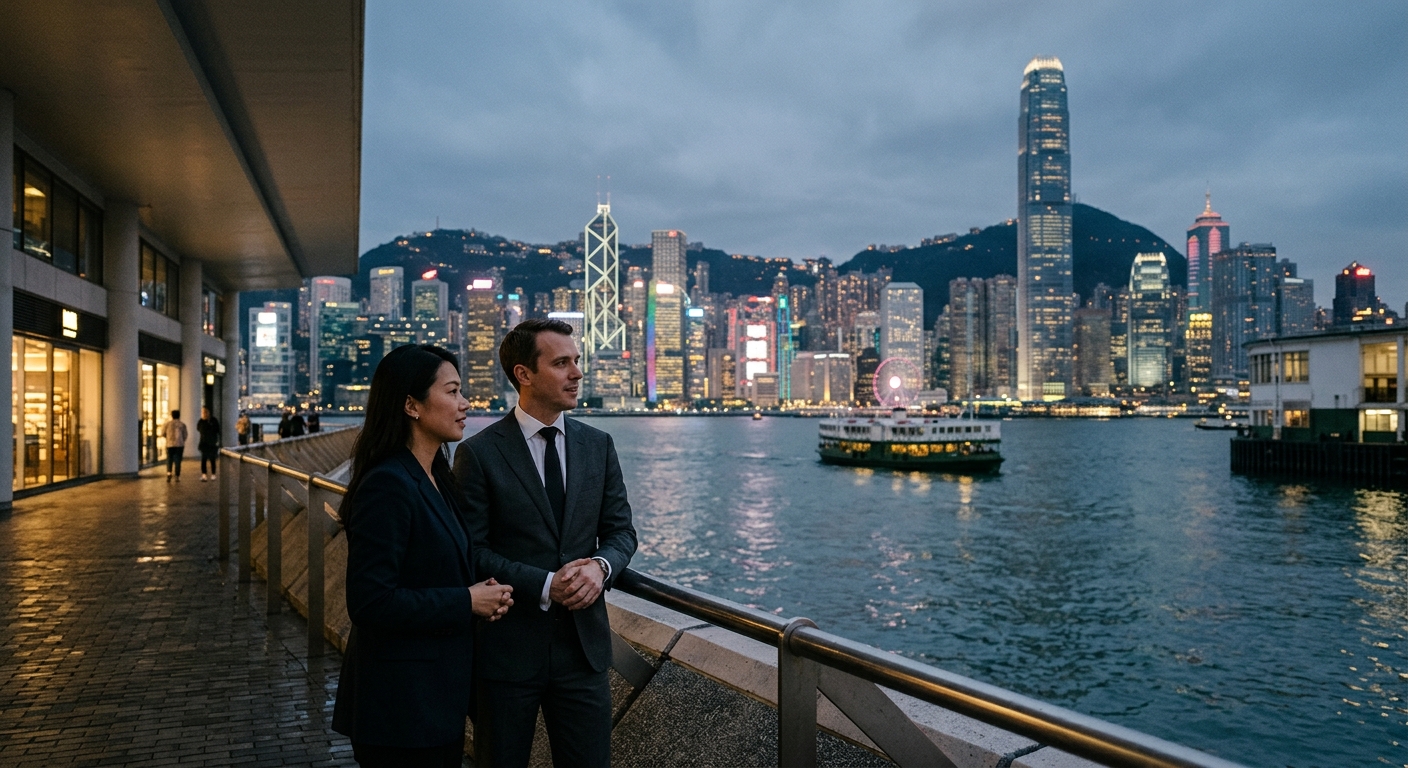
Proposed legislation would exempt loans, overseas property and single-investor vehicles from income tax, removing the 5% incidental-income cap.

Katie Keenan cited logistics, data centers and multifamily exposure as the private REIT delivered performance 35 percent higher than public REITs over the decade.
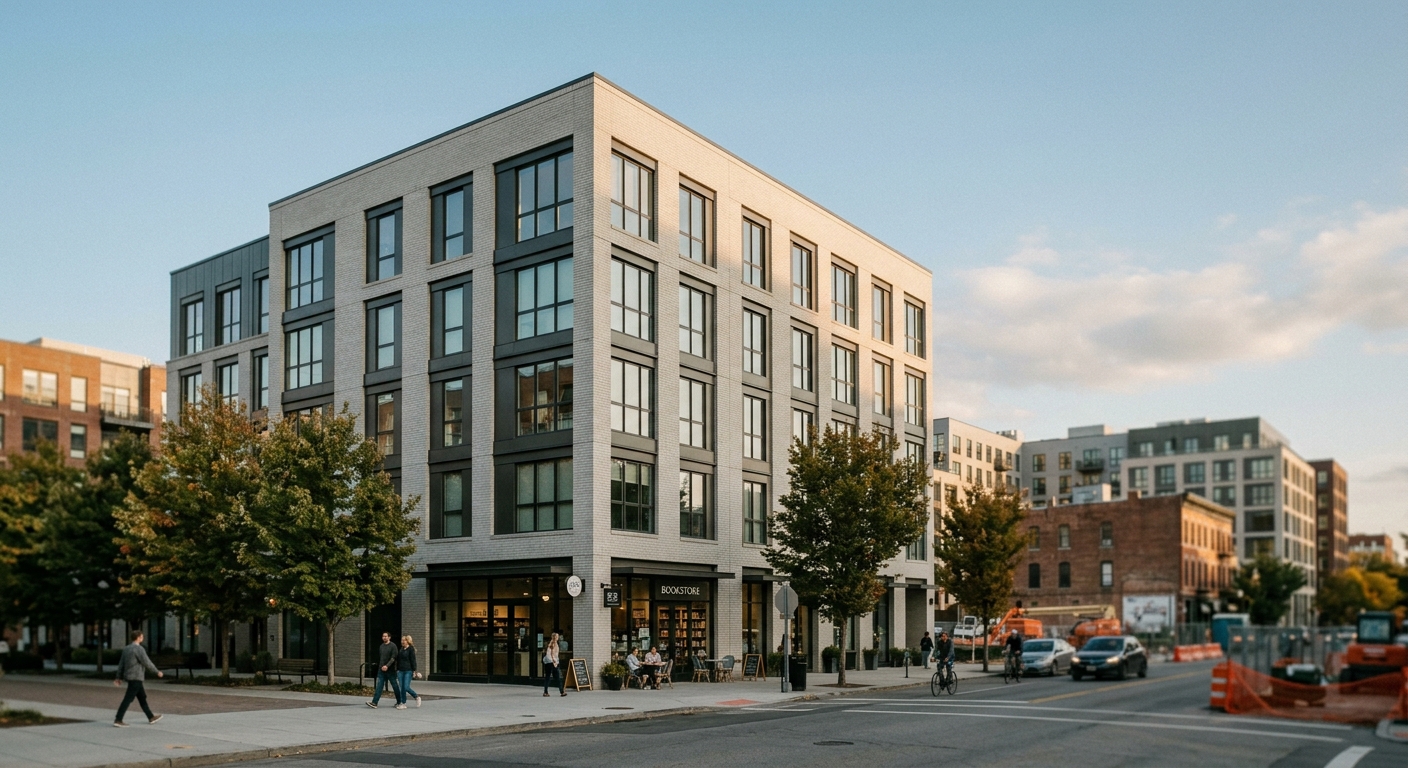
H&S Ventures partnered with Waterford Property Company to buy the 371-unit Edge Apartments from PGIM Inc., paying about $414,000 per unit.

The wealth manager will cut its borrowing margin by 1.75 percentage points, saving about $29 million annually.

Two customers claim the broker-dealer kept sweep account rates artificially low while collecting higher fees from participating banks.

DFO Management, the family office of Michael Dell, partnered with Sequence Holdings to acquire the publicly traded brokerage at $32.50 per share in cash.
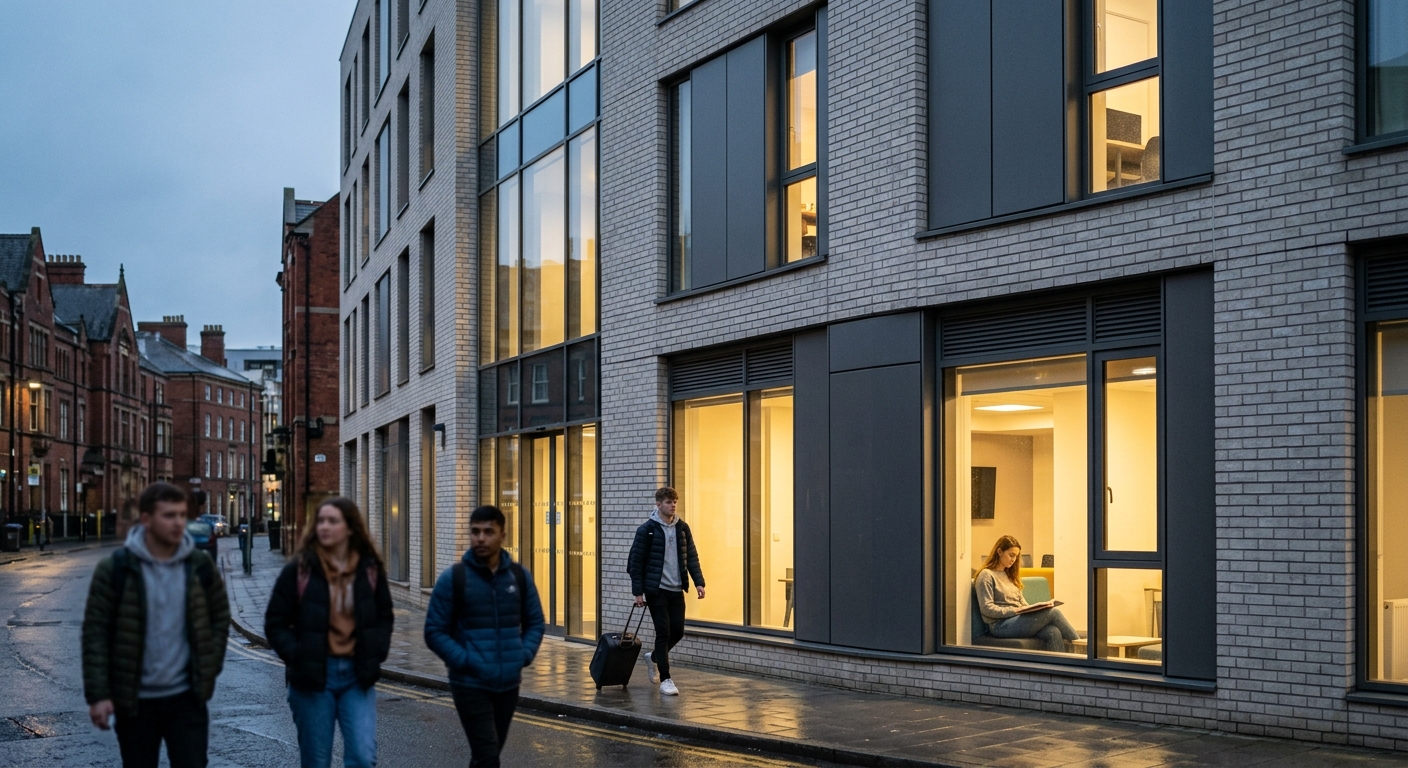
The five-property deal marks the first acquisition for Aboria Capital since launching with the Downing family office.
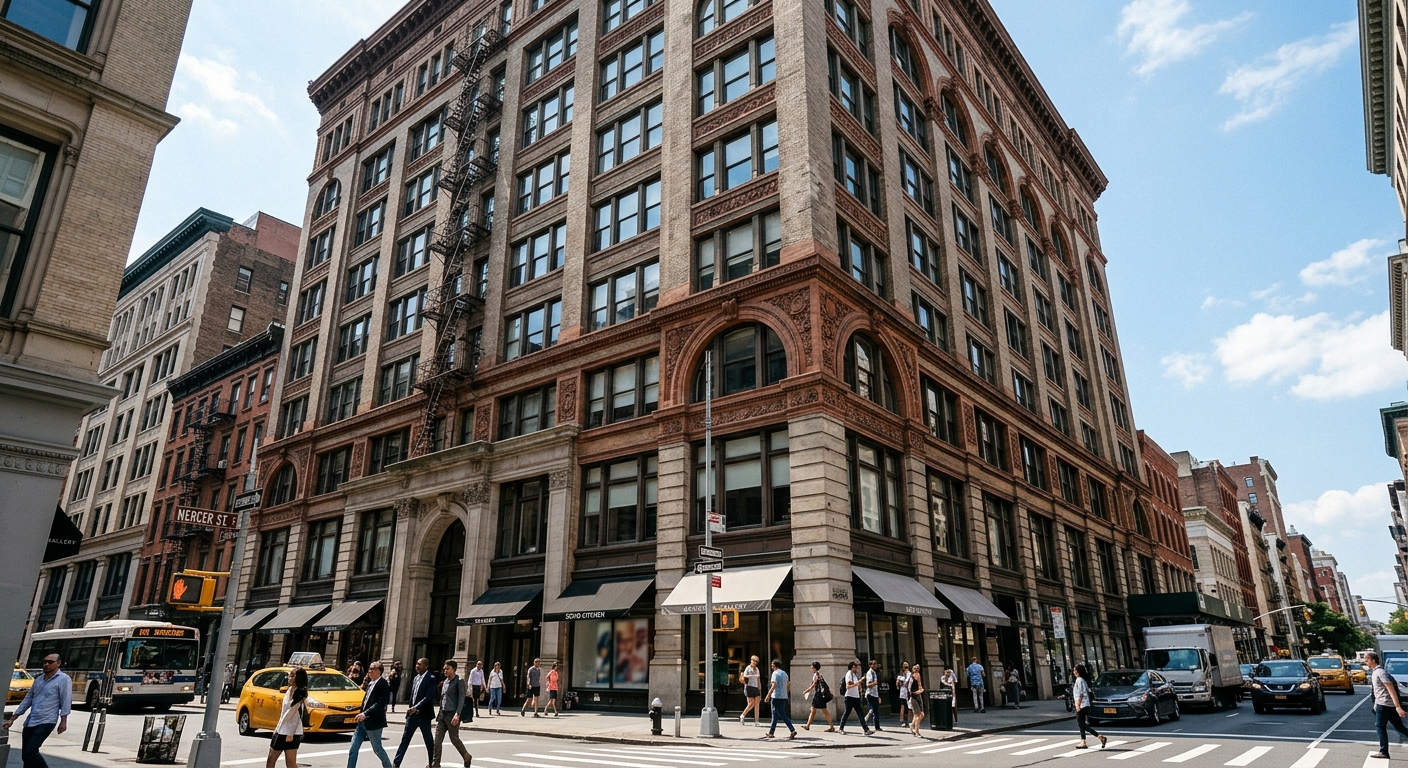
The San Francisco-based investor outbid private equity funds for the 155,000-square-foot property at 148 Lafayette Street, which Tishman Speyer acquired just 16 months earlier.
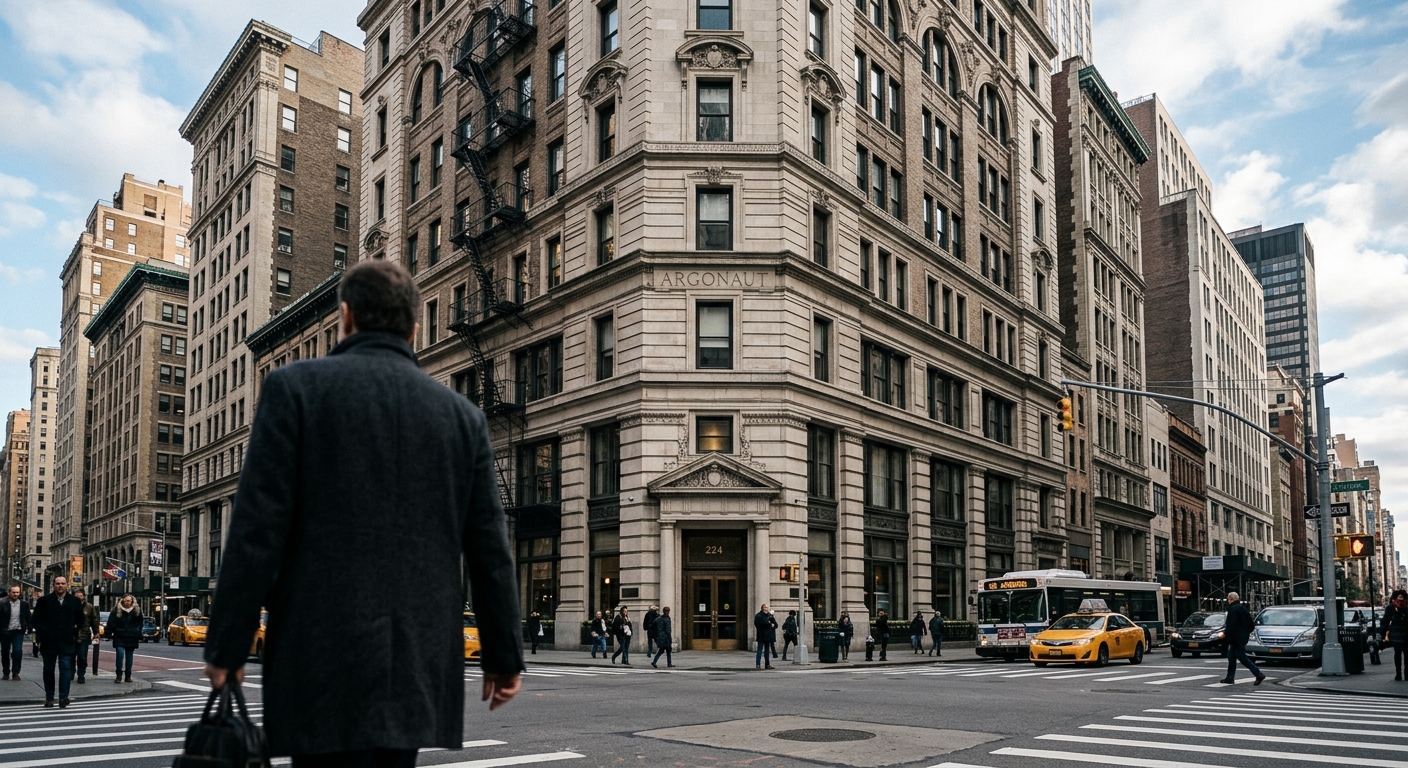
The billionaire's firm won the landmarked Argonaut Building in a 2024 foreclosure auction and now plans to vacate its grant-making tenant.
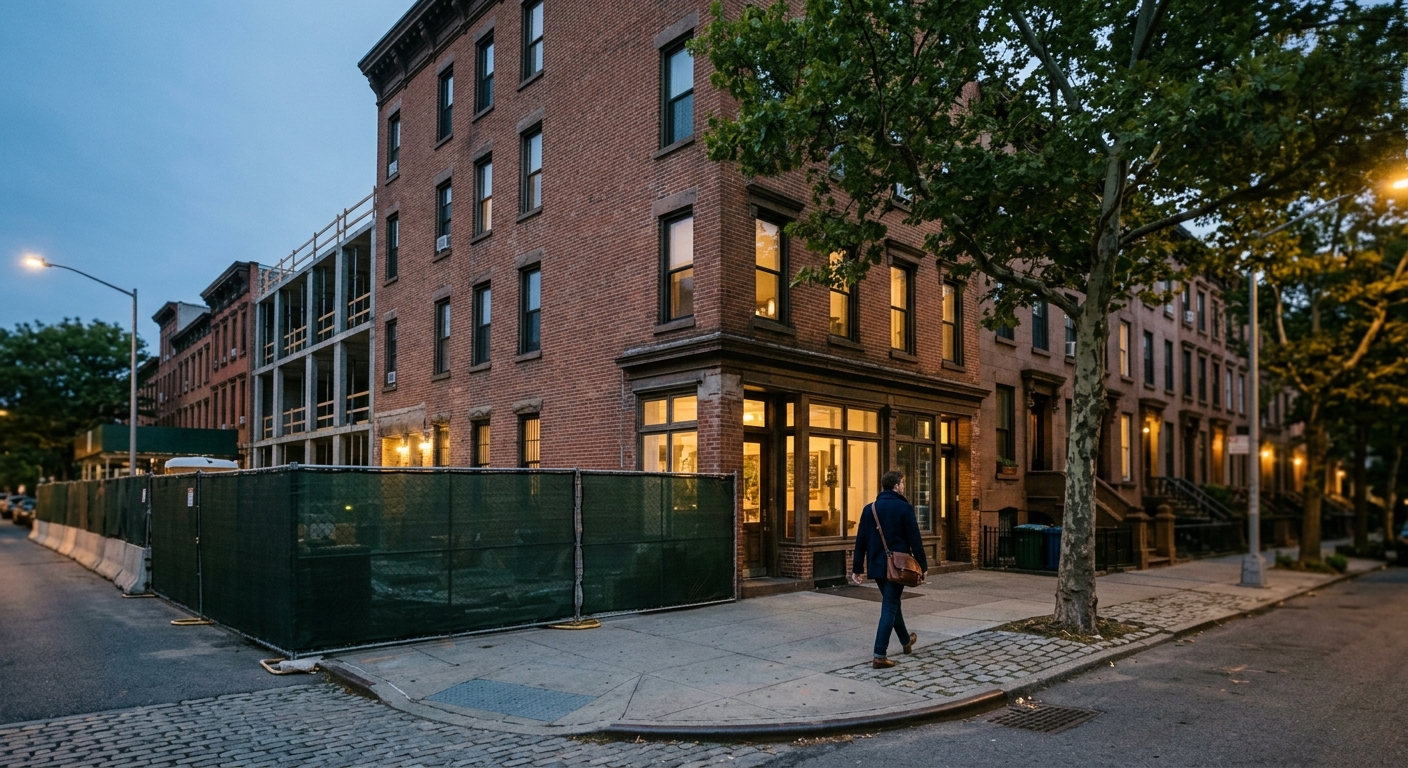
The UHNW investors, who already control two downtown office towers through private firm 99c, are expanding into neighborhood retail and residential.

Haywood USA failed to file suspicious activity reports and ignored red flags tied to accounts involving a convicted criminal and a banker under fraud investigation, the commission said.
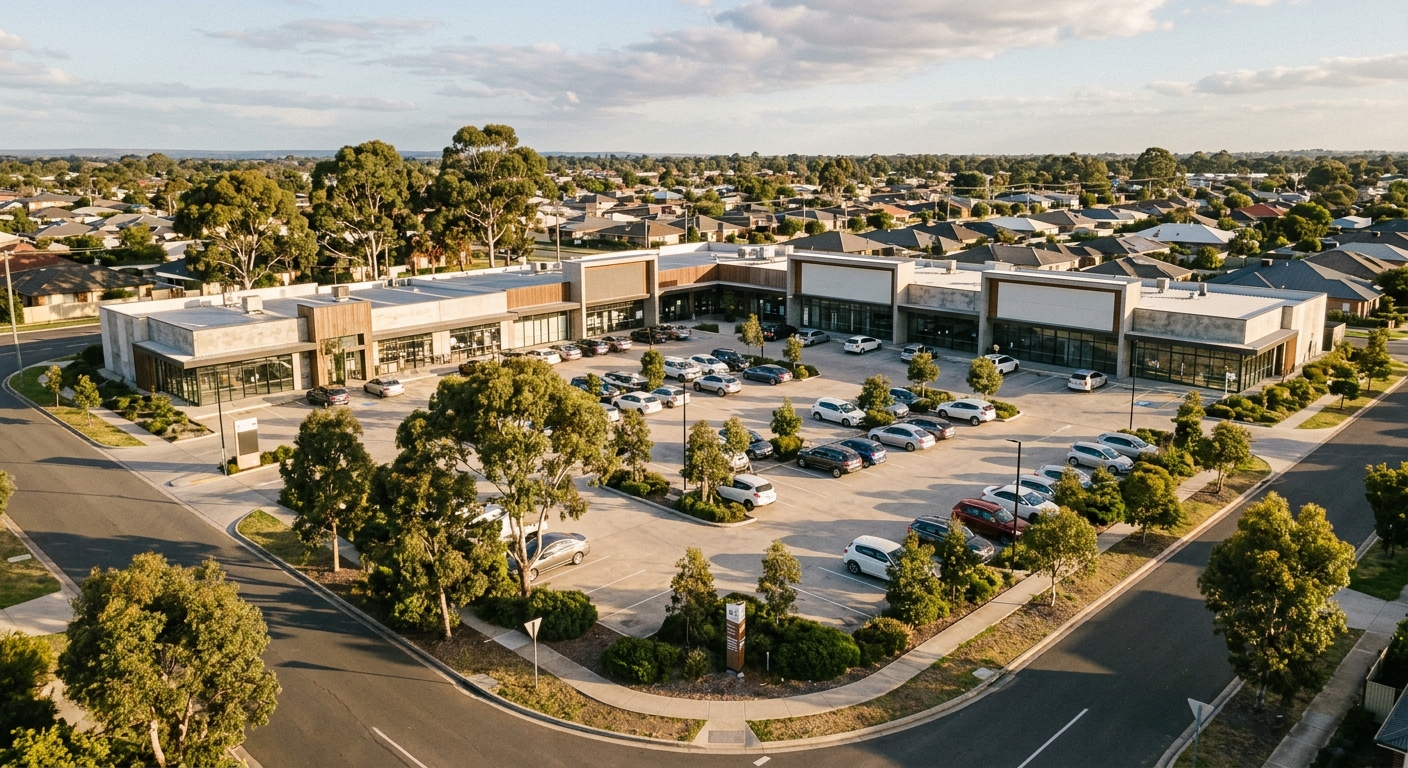
Transactions spanned Queensland, Victoria, New South Wales and Western Australia, with yields on fully leased neighbourhood retail centres ranging from 5.63% to 5.80%.

Hanwha paid $170 million for a Gangnam site where it will build its first residential complex, joining Shinsegae's 49-unit Aman project.
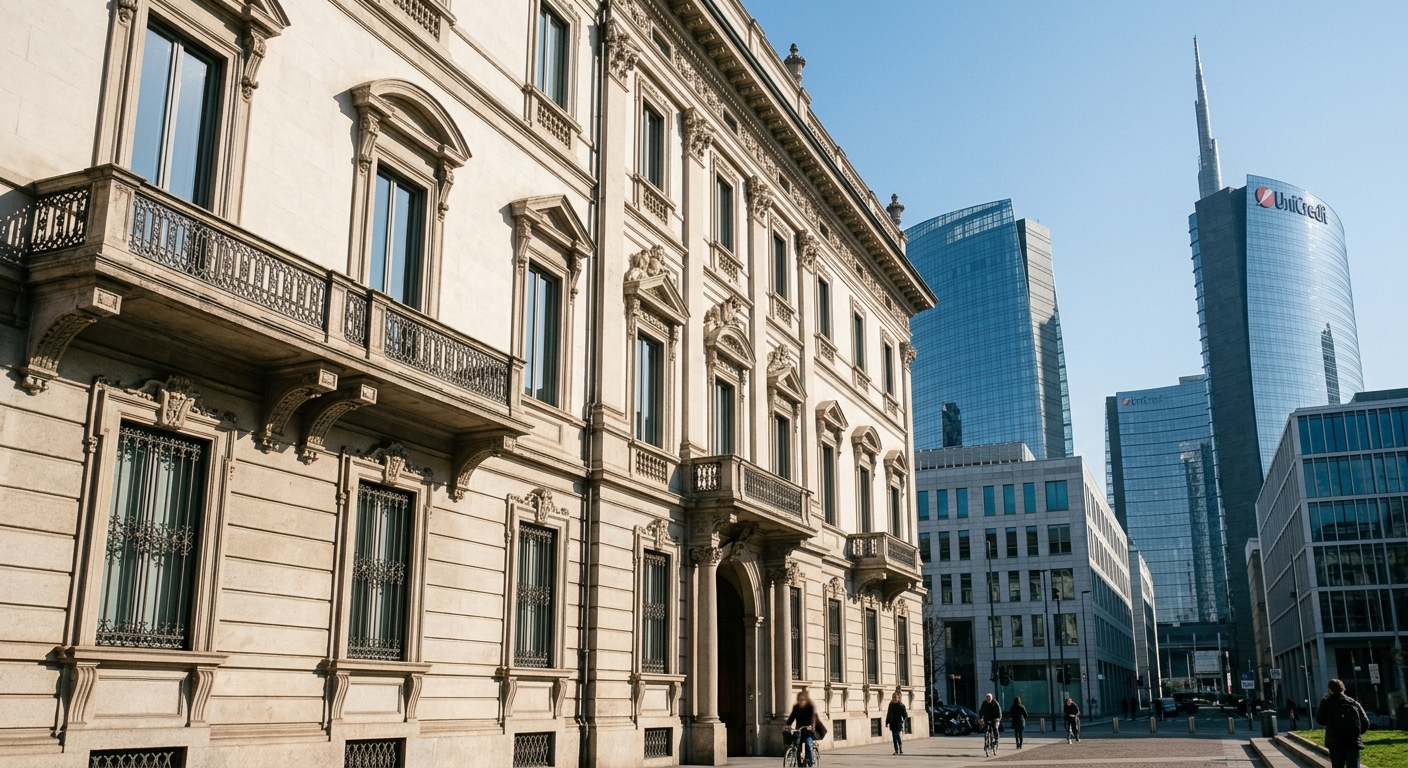
International capital, private equity and family offices are all active in Italy, but each group is buying different assets in different cities for different reasons.
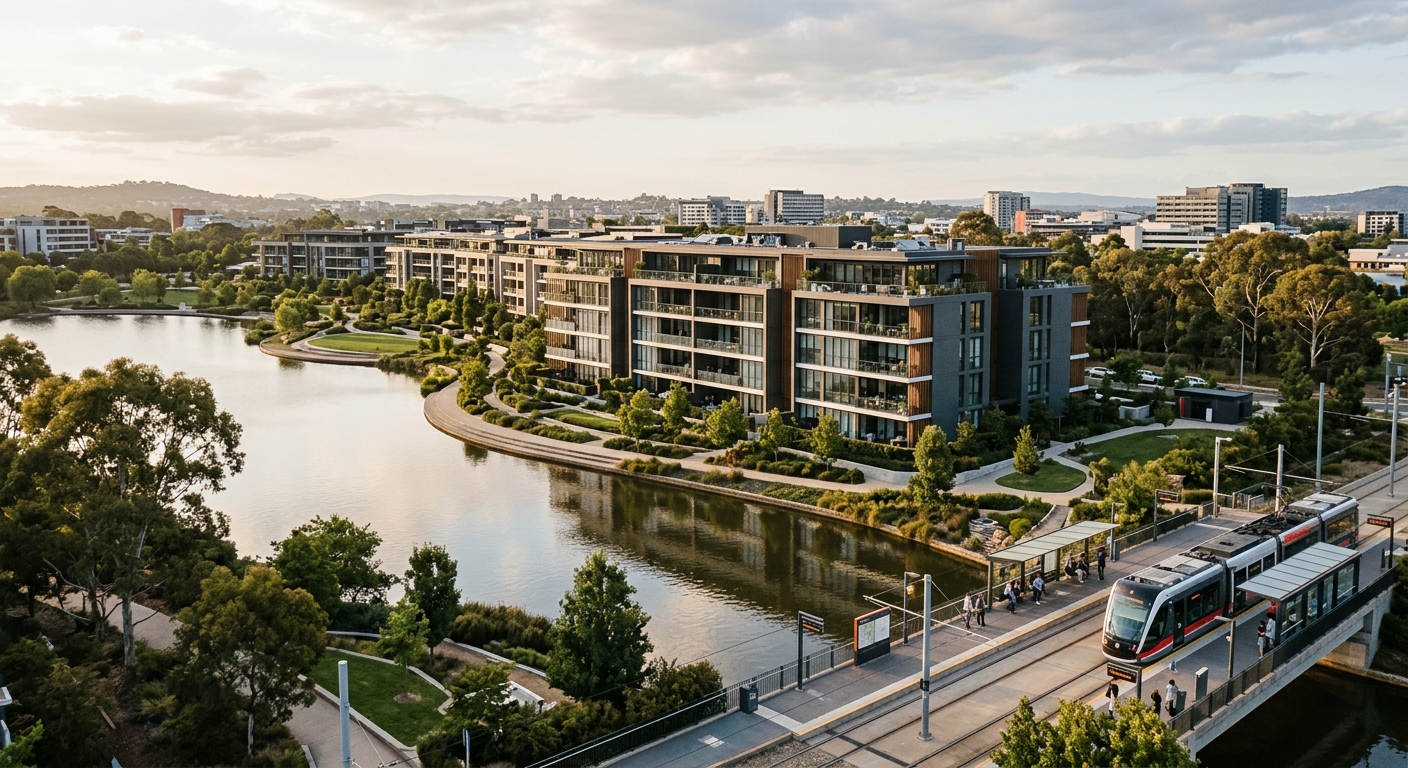
Baltisse and Peruna partnered with RPM Living to acquire the lakefront property near Dallas-Fort Worth Airport, targeting transit-oriented multifamily at a discount to replacement cost.

Arbour Investments has deployed more than ₹770 crore in private credit across Mumbai, Bengaluru and Chennai as HNIs shift toward alternative investments.

Latin American family offices allocated 34% of assets to alternatives in 2025, with 16% in private equity and 7% through direct investments, according to UBS.

Direct partnerships with developers have become the preferred method for ground-up projects, sidestepping REIT and private-equity constraints.

Knight Frank survey shows 44% of family offices plan to increase real estate exposure over the next 18 months.
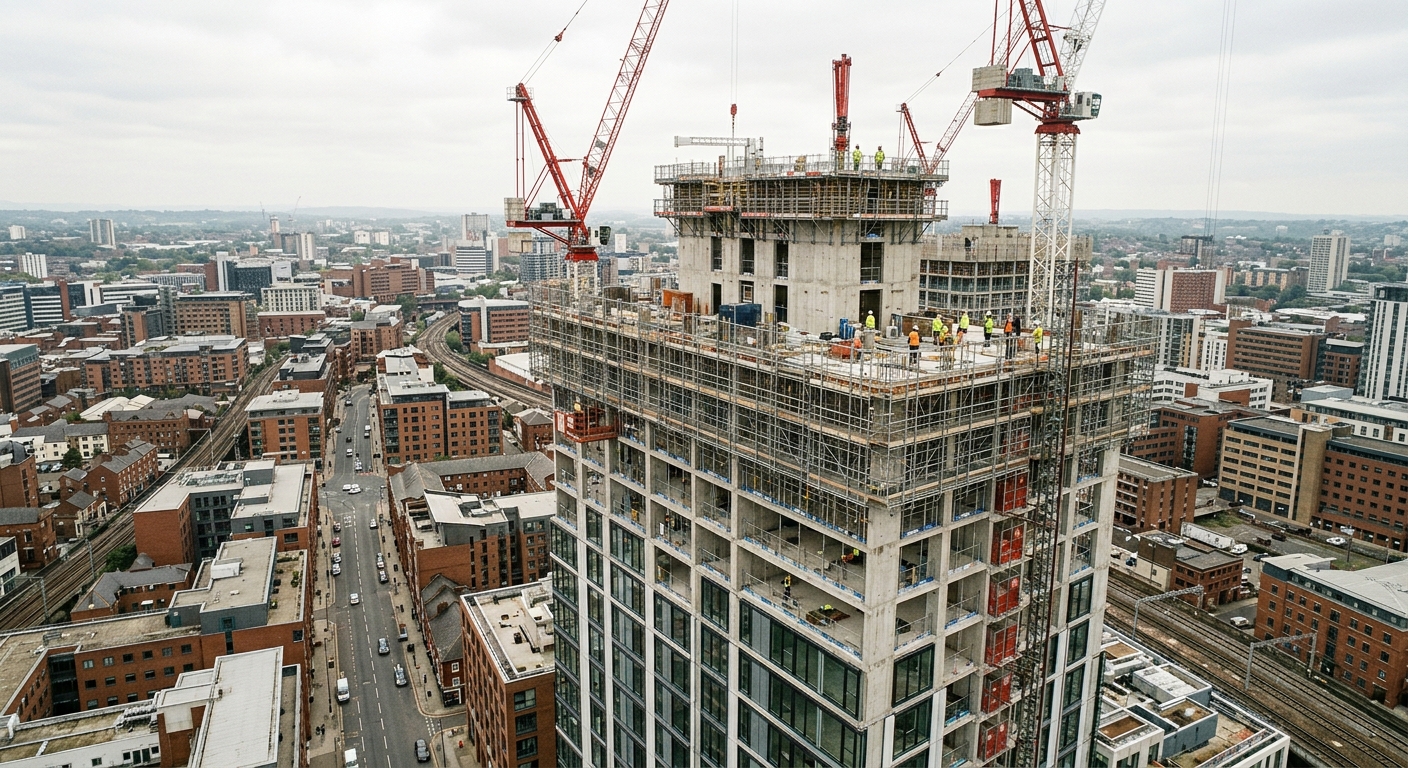
The Toronto-based firm's second UK build-to-rent fund secured backing from the National Housing Bank and will push it into the top four operators in a sector where annual starts fell 79% over the past year.
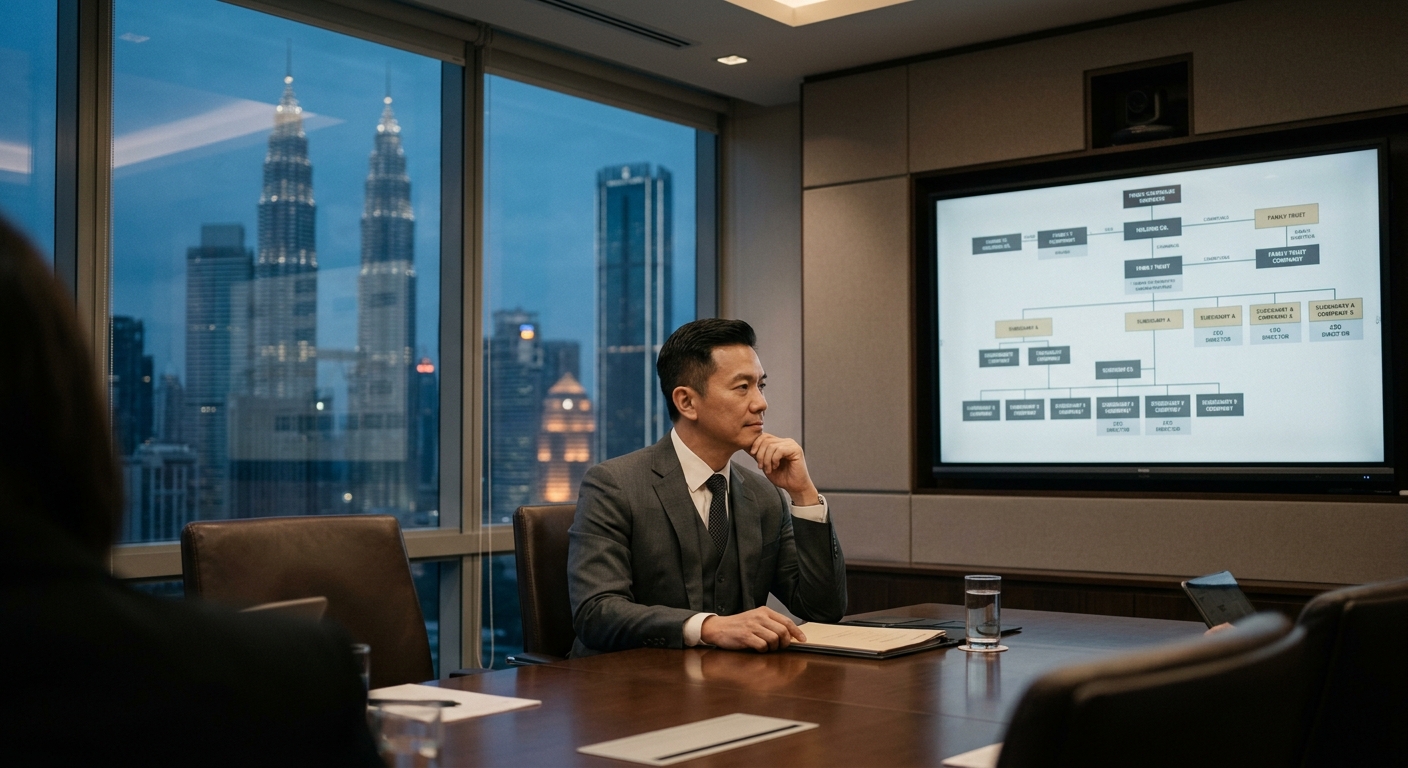
Success Lineage, the family's newly formed office, now holds 64.24% of the Johor property developer through three intermediate vehicles.
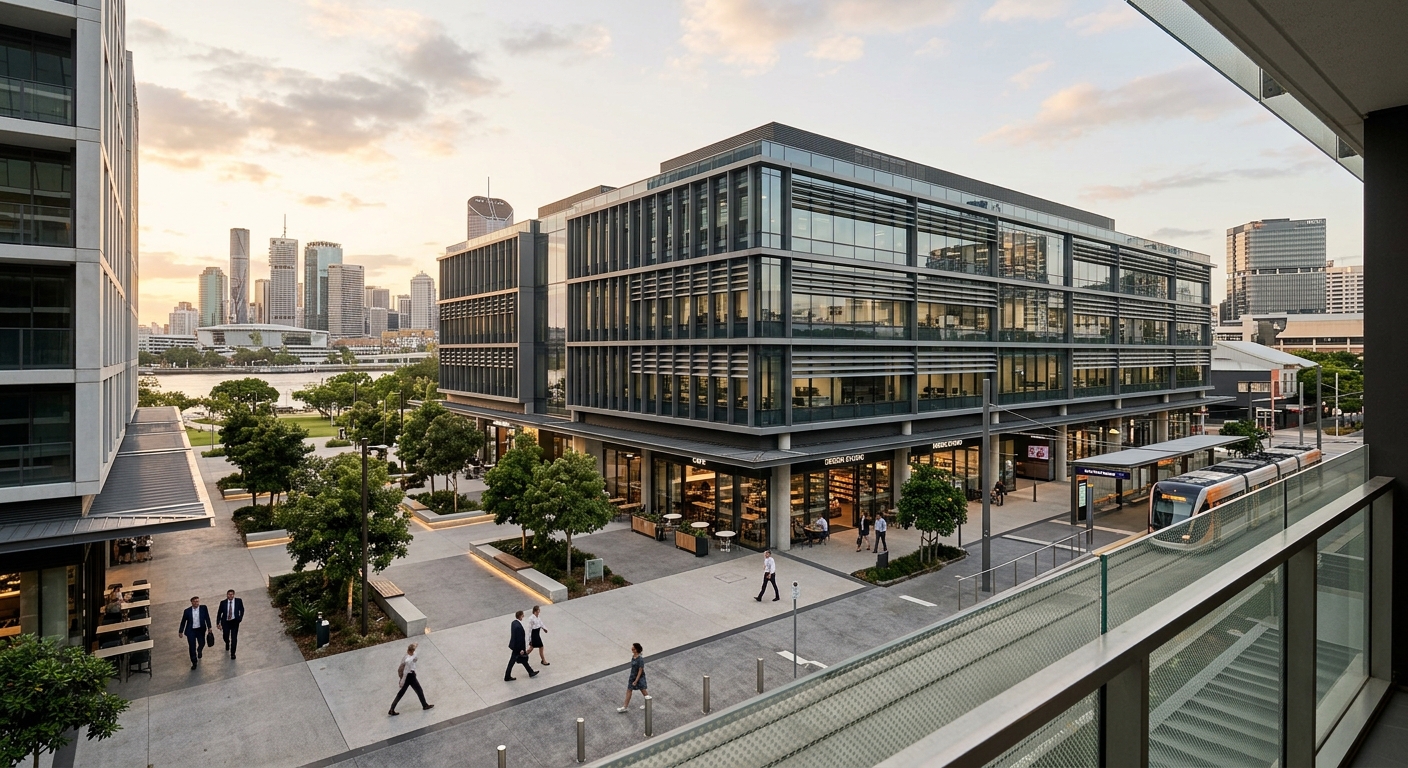
Union Investment sold Southpoint Commercial above its most recent valuation, signaling sustained demand for core Australian office and retail property.

Stuart Mercier, who built Brookfield's Asia real estate platform into a 350-person operation, takes an independent director seat at the Hong Kong-listed developer.
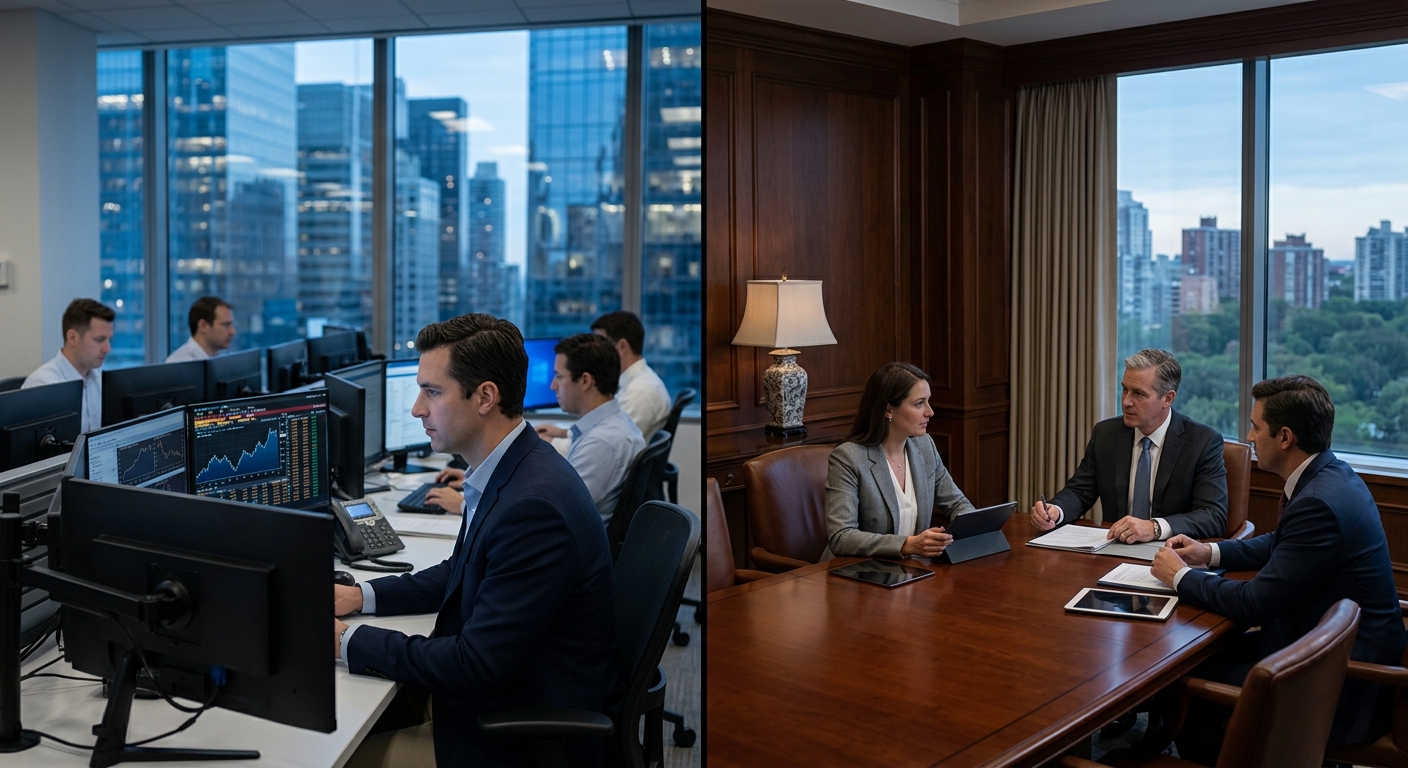
Established offices seek diversification and hedge-fund exposure while newly tracked offices favor direct deals and private equity, UBS and FINTRX data show.
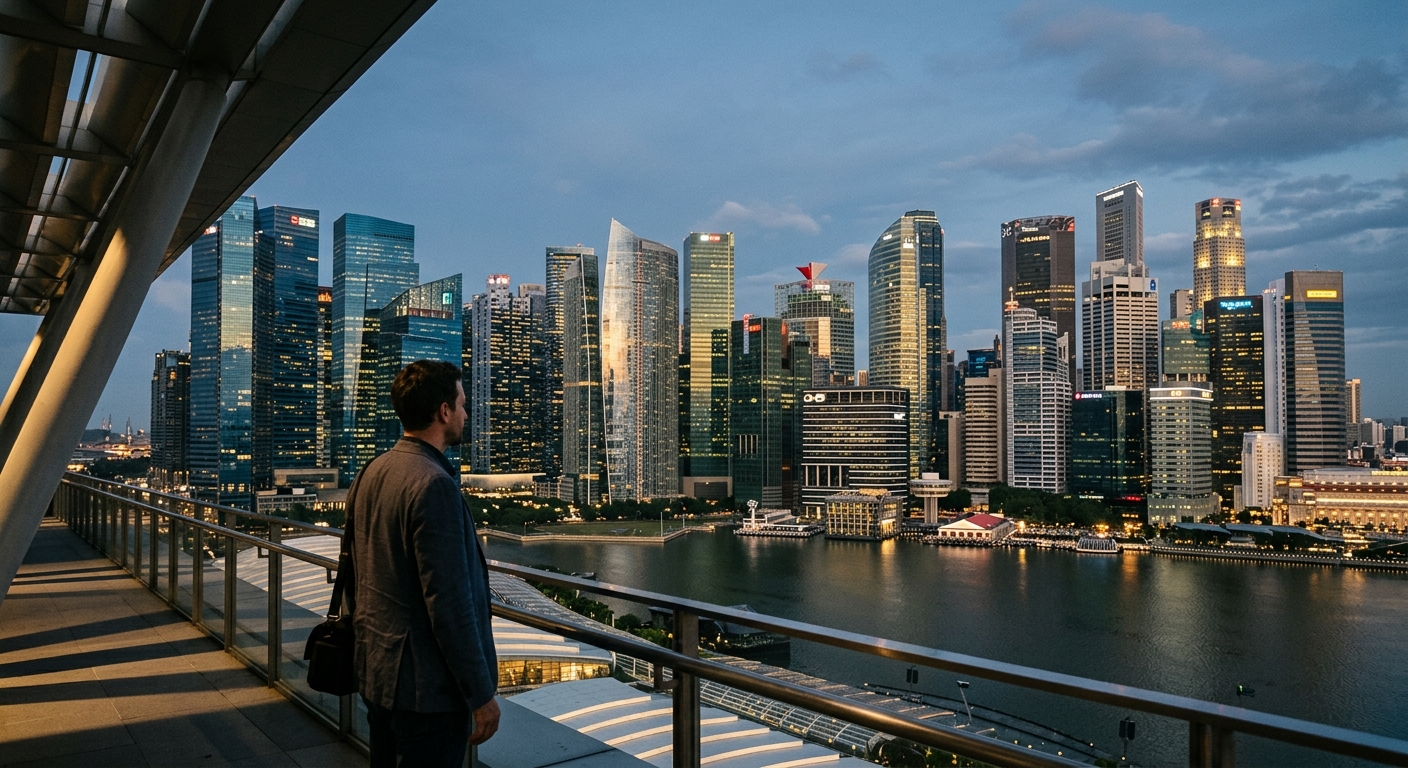
The Singapore investor will commit up to $950 million through a joint venture with ARA Asset Management's chief executive to buy real estate, convert it to REITs and exit.
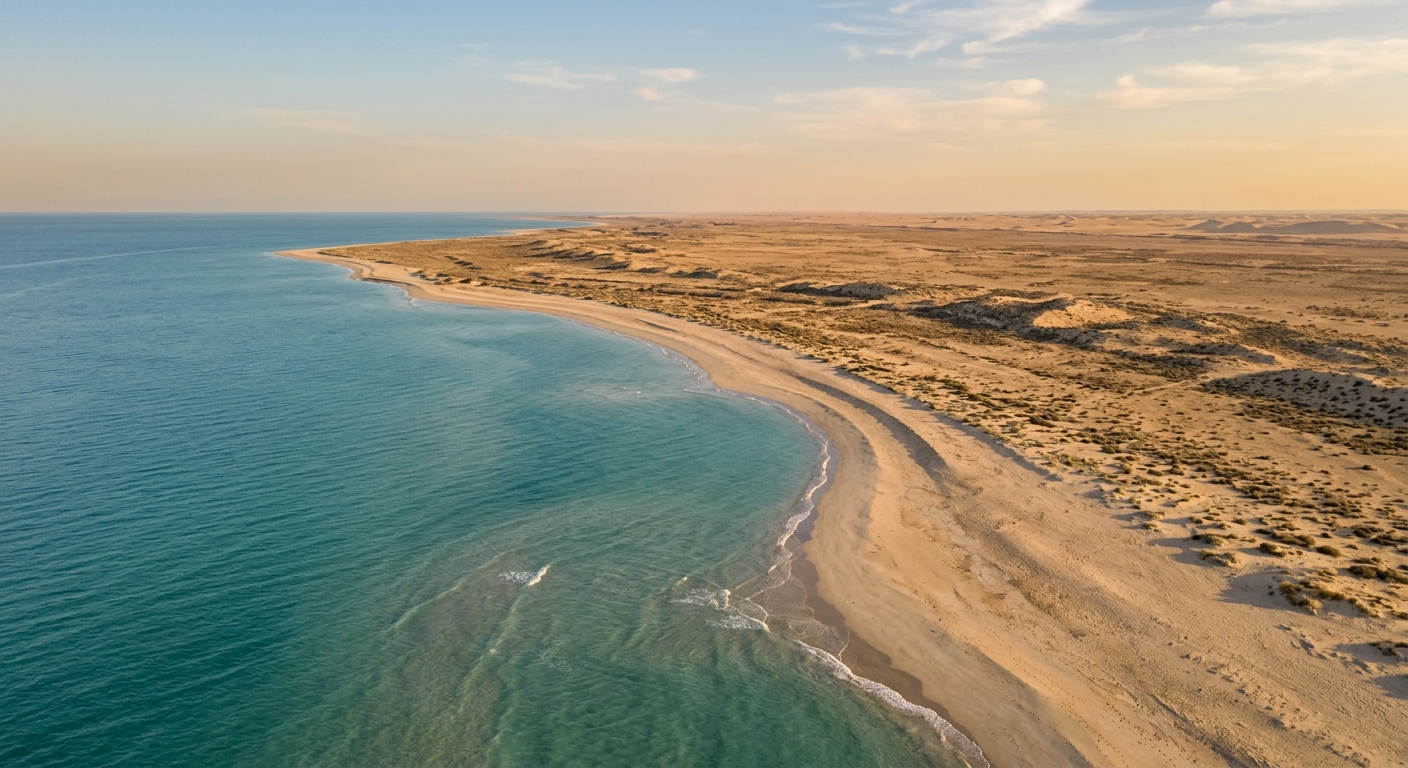
The Public Investment Fund will partner with private-sector firms to build housing, hotels and commercial space on a 20-square-kilometre site in Al-Khafji.
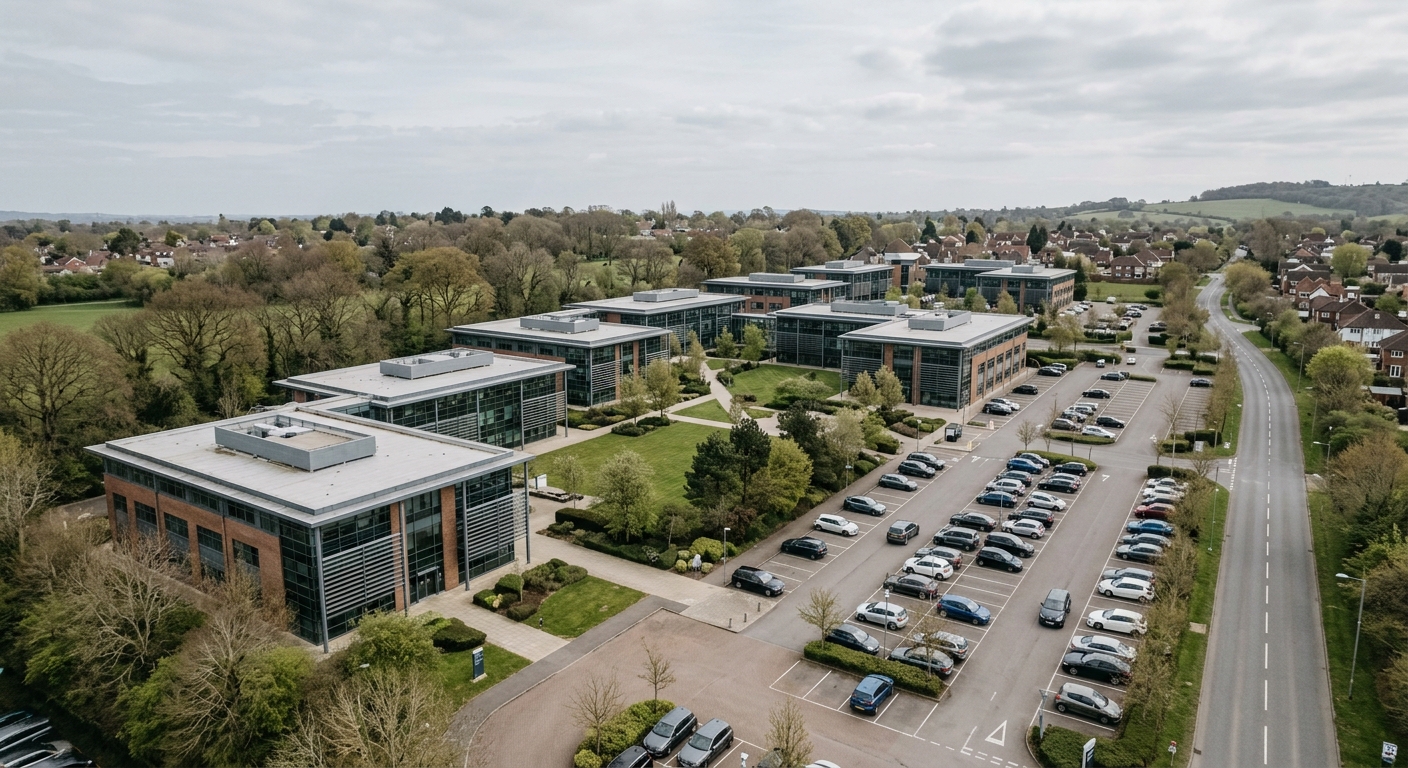
WillsFlower, a vehicle for an ultra-high-net-worth investor, acquired Arlington Business Park from CapitaLand below the prior guide price.
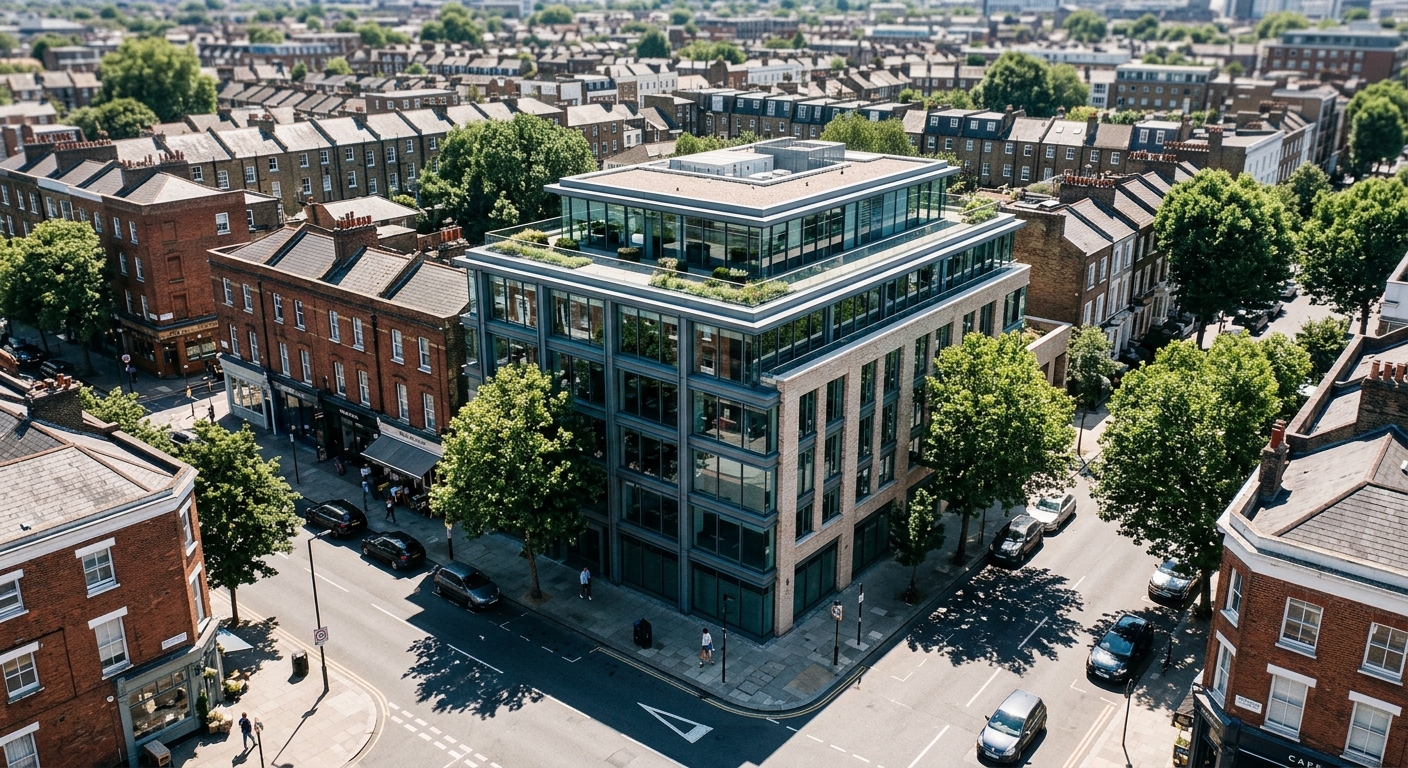
The McAdenville, North Carolina company acquired the 58,625-square-foot asset in the Village District from Beacon Partners.

The Switzerland-based bank added advisors in Washington, Colorado and Maryland as it works to rebuild its North American wealth unit after losing 196 advisors this year.

The rule would make Washington the third state to require investment advisors to carry at least $1 million in liability coverage, with compliance required by January 1, 2027.
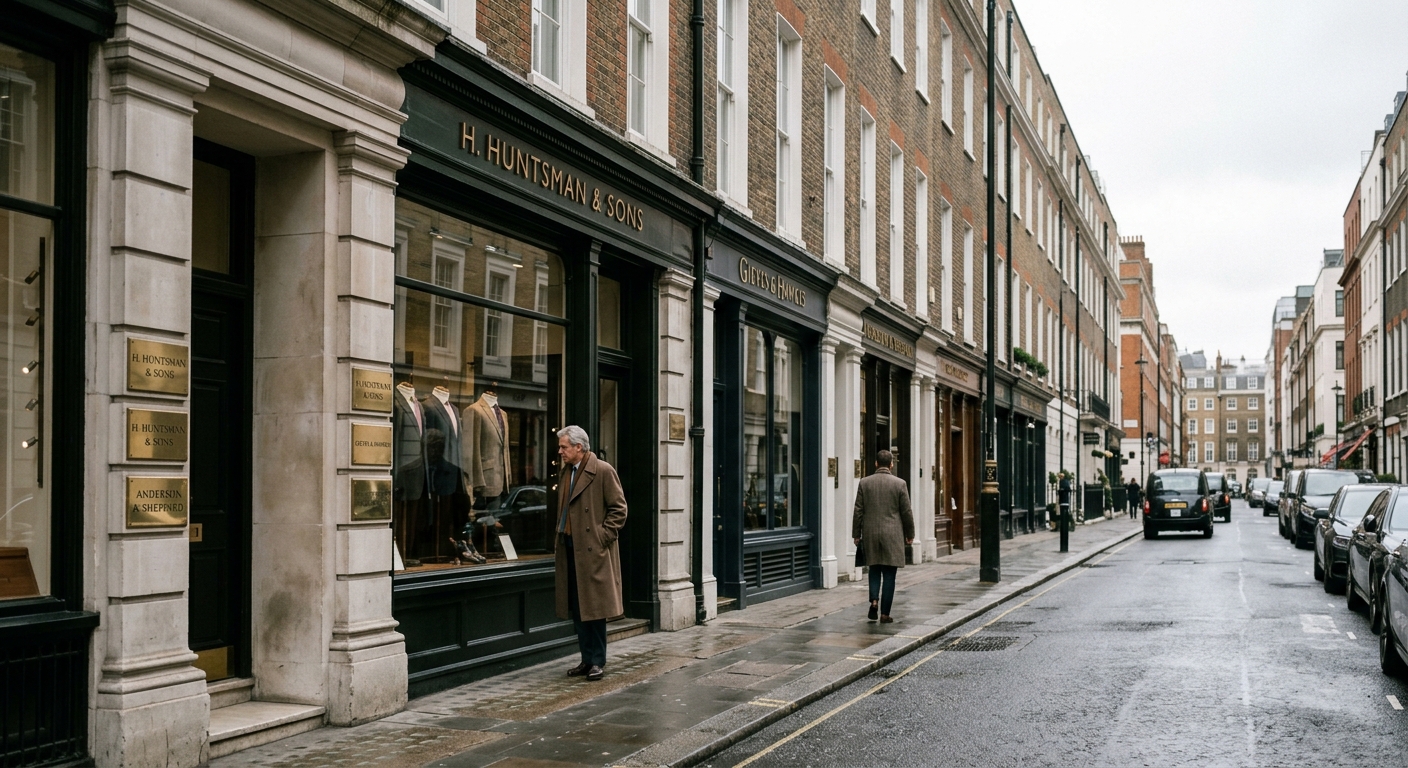
BNF Capital, the family office of French oil heirs, is partnering with Morgan Real Estate to buy 27 Savile Row from Czech landlord CPI Property Group.
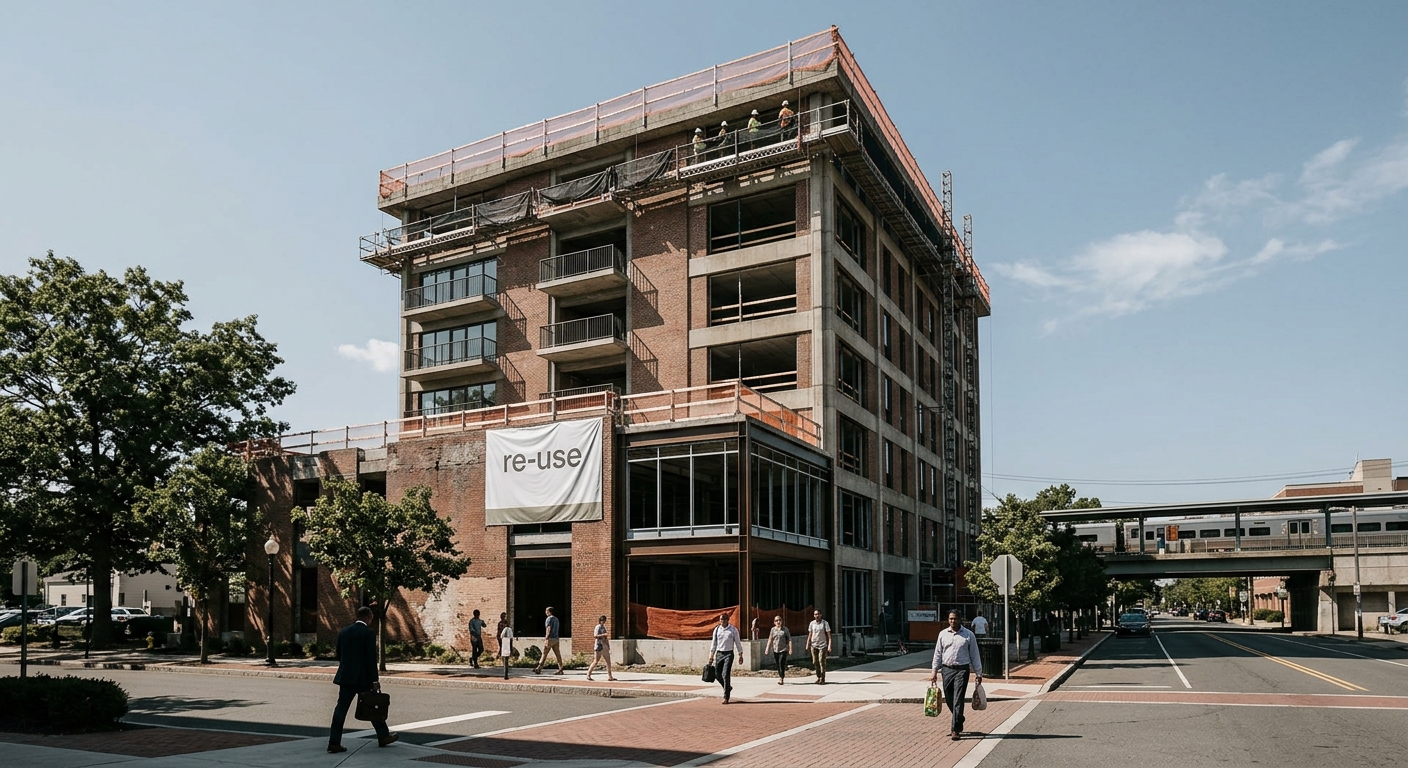
The unnamed family office committed $32 million alongside a $75.5 million Bank OZK construction loan for a 286-unit apartment project in Norwalk.
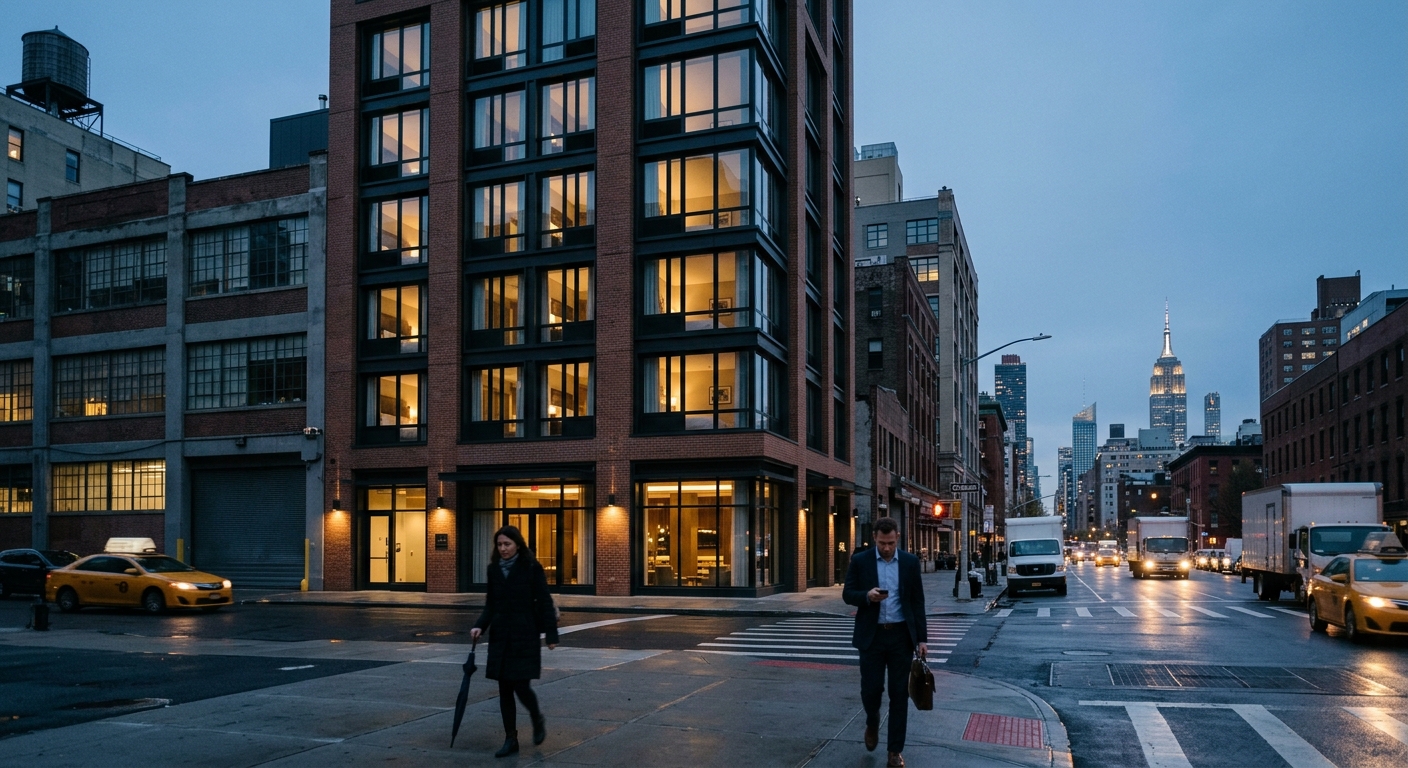
The closely held hospitality platform deploys ultra-high-net-worth family capital into North American hotel assets, competing with institutional buyers in core Manhattan submarkets.
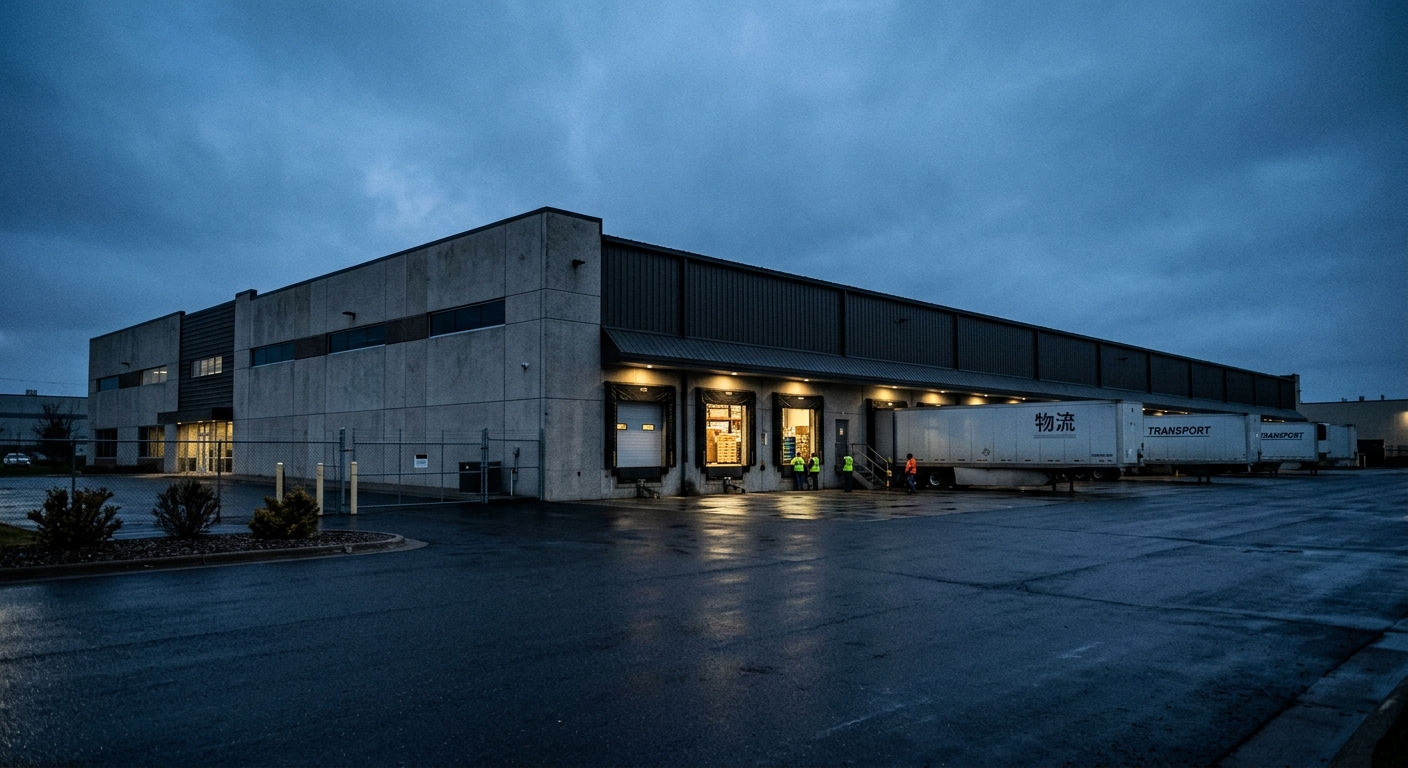
The firm paid $49.76 per square foot for the former Sportsman's Guide facility in South St. Paul.