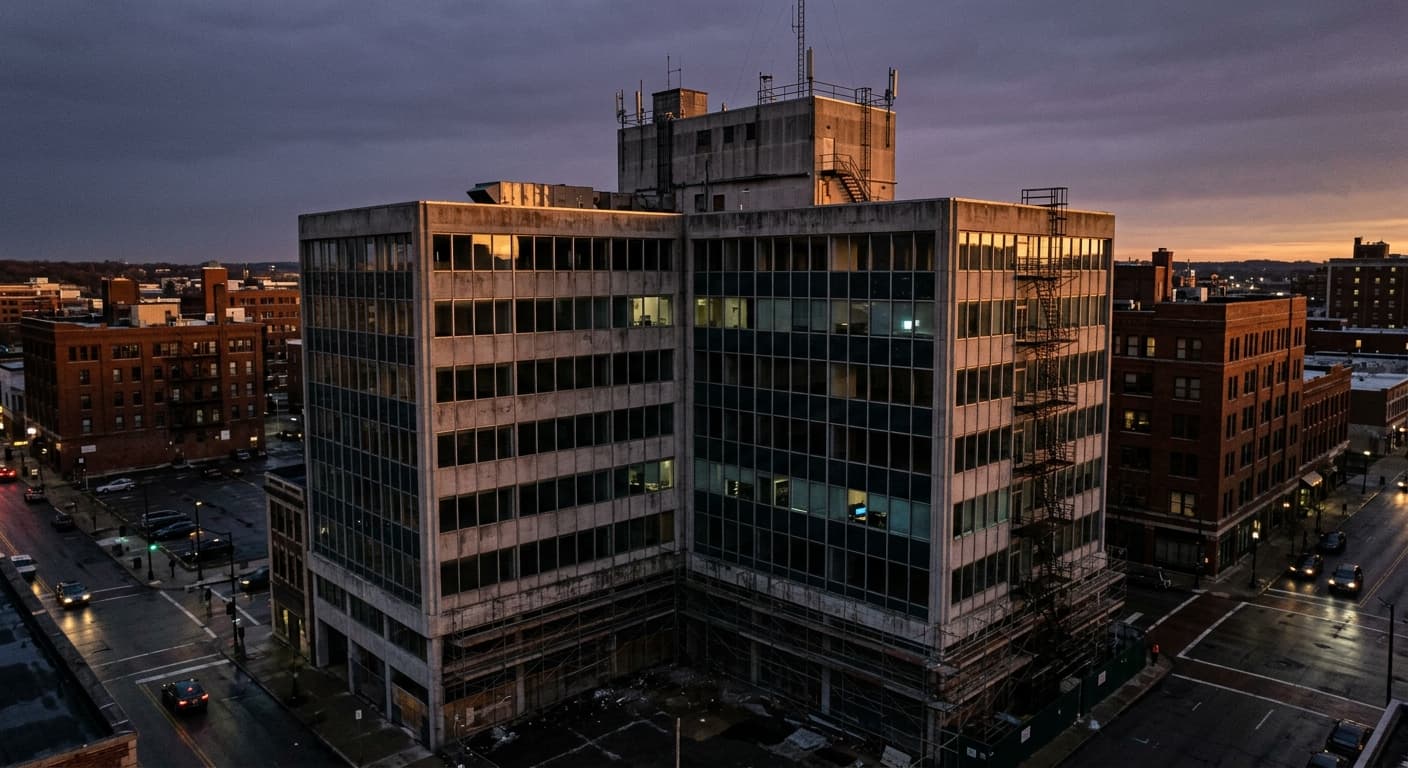
Distress tied to U.S. commercial real estate has climbed to a record $1.6 trillion, driven by high interest rates, tighter bank lending, and declining office values, according to Reuters. The figure marks an unprecedented level of stress across the sector and signals mounting challenges for owners and lenders alike. The confluence of rising borrowing costs and stricter credit conditions has created a perfect storm for property owners who locked in low rates during the post-financial-crisis era and now face a dramatically different refinancing environment.
A large wave of loans is coming due over the next two to three years, with many borrowers facing refinancing at much higher rates than when the debt was originated. This maturity wall represents one of the most significant near-term risks in the commercial real estate market, as owners must either secure new financing at considerably higher costs or face potential default. The gap between original loan terms and current market rates has widened to levels not seen in over a decade, forcing a fundamental reassessment of asset values and cash flow assumptions.
Analysts note that office, retail, and some hotel assets are particularly exposed to the current distress cycle. Office properties have been hit hardest, with remote work trends permanently reducing demand even as lease expirations force tenants to reassess their space needs. Retail assets continue to face structural headwinds from e-commerce penetration, while select hotel properties struggle with inconsistent occupancy patterns and elevated operating costs. These sectors now account for a disproportionate share of the $1.6 trillion distress figure.
Alternative lenders and private credit funds are filling part of the gap left by regional banks, which have pulled back sharply from commercial real estate lending. This shift in the capital stack has introduced new pricing dynamics and covenant structures to the market. Private credit providers are demanding higher spreads and more conservative loan-to-value ratios than traditional bank lenders, effectively repricing risk across the sector. The entry of these non-bank lenders has provided some liquidity but has not fully offset the contraction in traditional bank credit.
Rising delinquencies on commercial mortgage-backed securities are signaling growing default risk, especially in older, less competitive buildings. CMBS markets have seen delinquency rates climb steadily as borrowers miss payments or enter special servicing. Older office properties with limited amenities and higher capital expenditure needs have proven especially vulnerable, as tenants migrate to newer, more efficient buildings. The secondary and tertiary markets have experienced the steepest increases in distress, though primary markets are not immune.
Regulators and investors are expressing concerns that extended amend-and-extend strategies may simply be delaying loss recognition. These workout arrangements allow borrowers to modify loan terms and push out maturity dates, but critics argue they merely postpone the inevitable reckoning if underlying property fundamentals do not improve. The practice has become increasingly common as lenders seek to avoid booking losses in a down market, but it may be masking the true extent of distress in the system.
Market participants warn that amend-and-extend approaches could potentially amplify systemic risk if market conditions worsen. By keeping troubled assets on bank balance sheets without marking them to market, financial institutions may be understating their exposure to commercial real estate losses. Should interest rates remain elevated or a broader economic downturn materialize, a wave of delayed defaults could hit simultaneously, creating cascading effects through the financial system. This tail risk has drawn scrutiny from banking regulators and rating agencies.
The refinancing and valuation pressures are reshaping deal structures, pricing, and risk appetites across the CRE market. Transactions that do close are incorporating more conservative underwriting assumptions, shorter loan terms, and higher equity requirements. Buyers are demanding steeper discounts to account for refinancing risk and uncertain cash flows, while sellers remain reluctant to crystallize losses at current valuations. This standoff has contributed to a sharp decline in transaction volumes across most commercial real estate sectors, leaving price discovery incomplete and market participants in a prolonged holding pattern.