
Mortgage Rates Above 7.5% Strand Homeowners Unable to Fund Renovations
Home equity lines of credit have become too expensive to tap, forcing owners to defer big-ticket upgrades and shift spending to maintenance.

Analysis of 74,000 fire-related claims from 2018 to 2023 reveals coverage gaps across multiple disaster types, with flood exclusions posing the largest financial risk.

The Oasis Apartments, a 177-unit building under construction by BMC Investments and Rockpoint, filled its ground-floor commercial space two years before tenants move in.
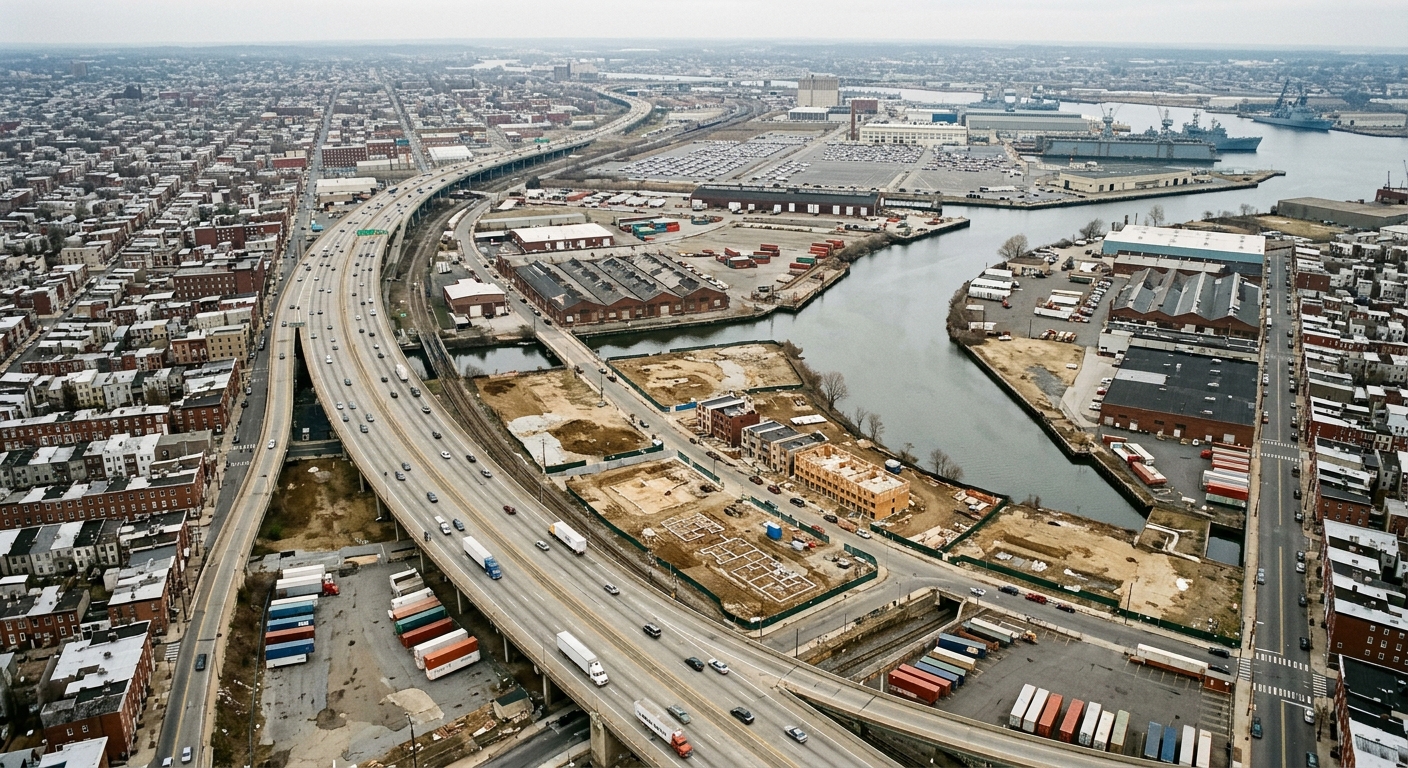
Trove Capital and Hightop Development seek approvals for projects totaling 262 townhouses following delivery of 614 units at the Philadelphia Navy Yard earlier this year.
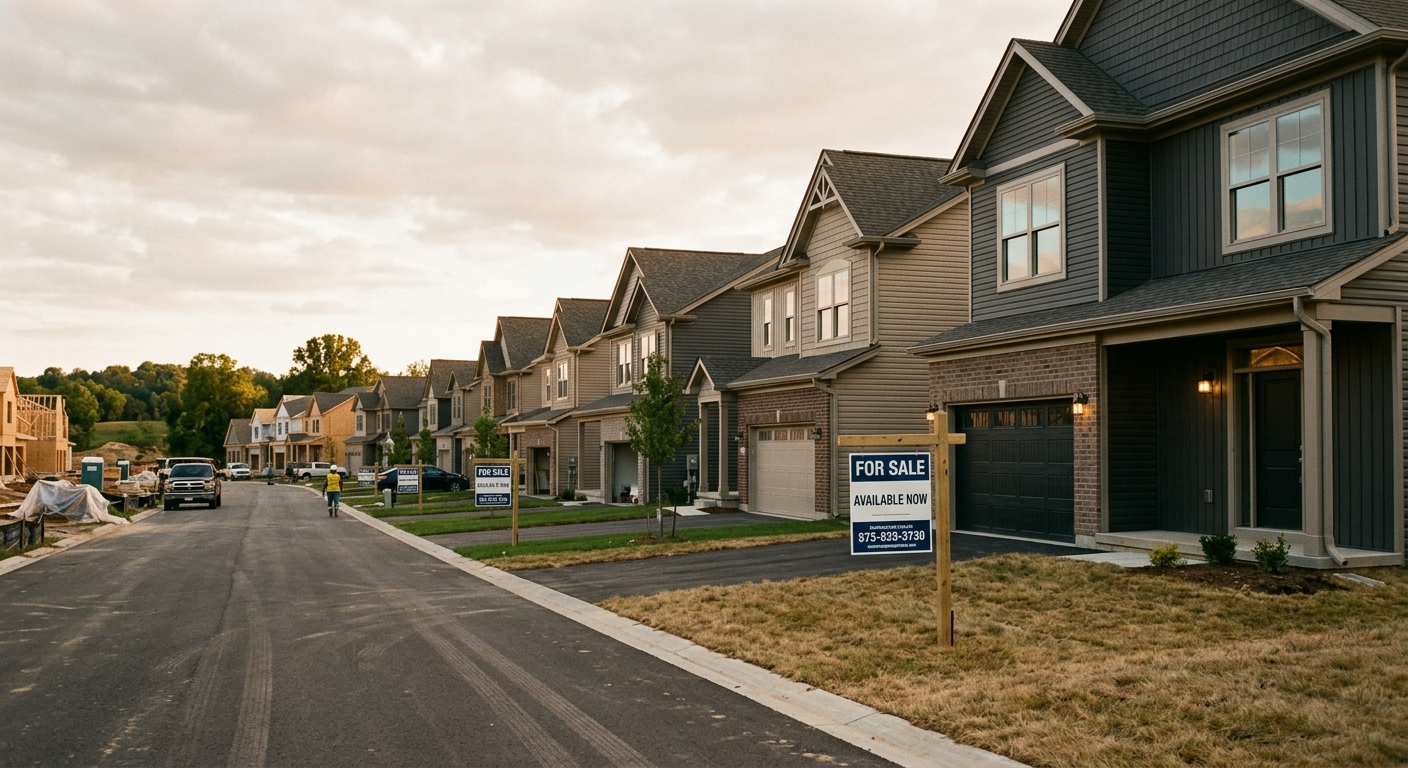
Homebuilder reports Tuesday amid tightening credit conditions that pushed rival Lennar to flag slower sales last week.

The 302,000-square-foot campus trades at $311 per square foot, 25% above its 2024 sale price, as AI and robotics tenants drive leasing activity up 60% in one quarter.

Habitability claims now cost landlords $50,000 to $100,000 to defend without coverage, property managers say.
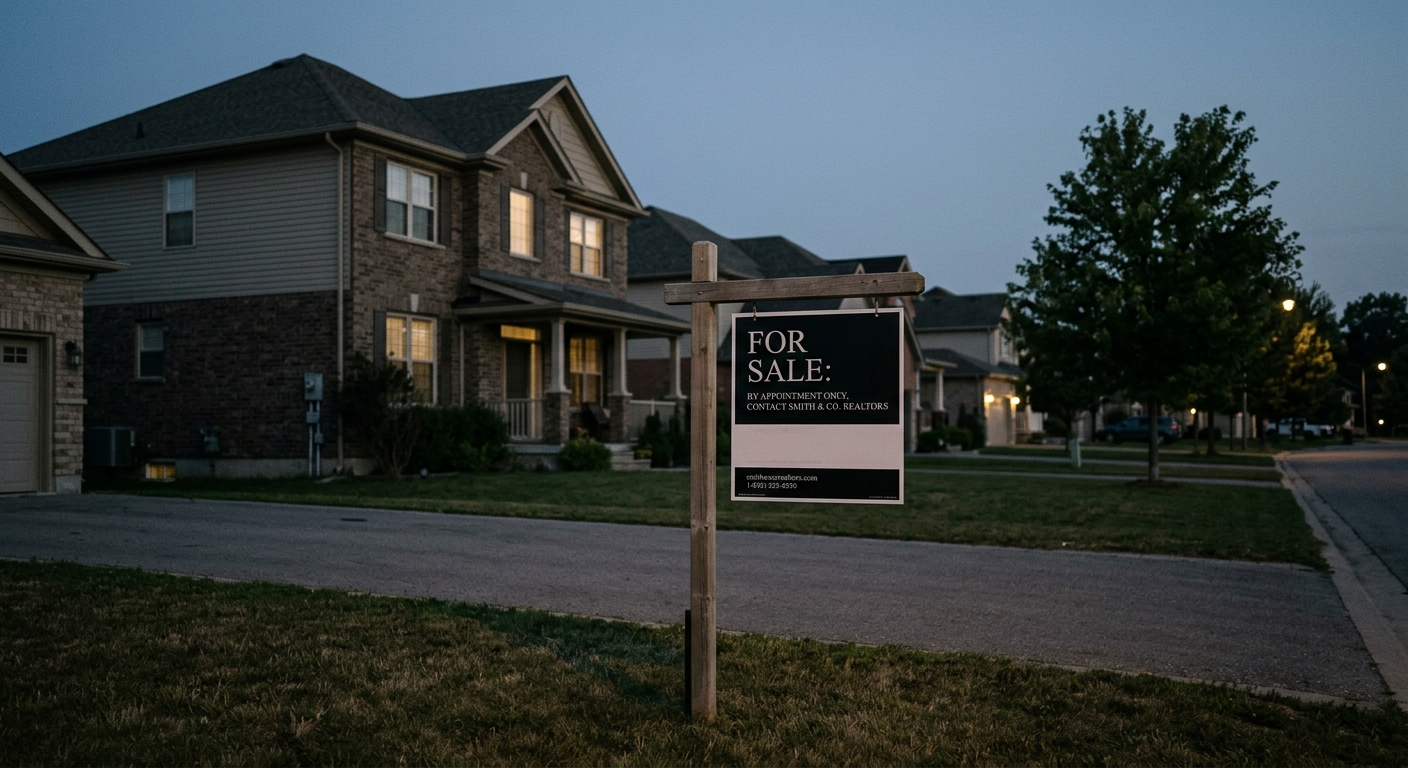
Refinance demand dropped 65% from a year earlier as the 30-year fixed climbed 0.33 percentage points in six trading days, the sharpest weekly surge since October 2024.
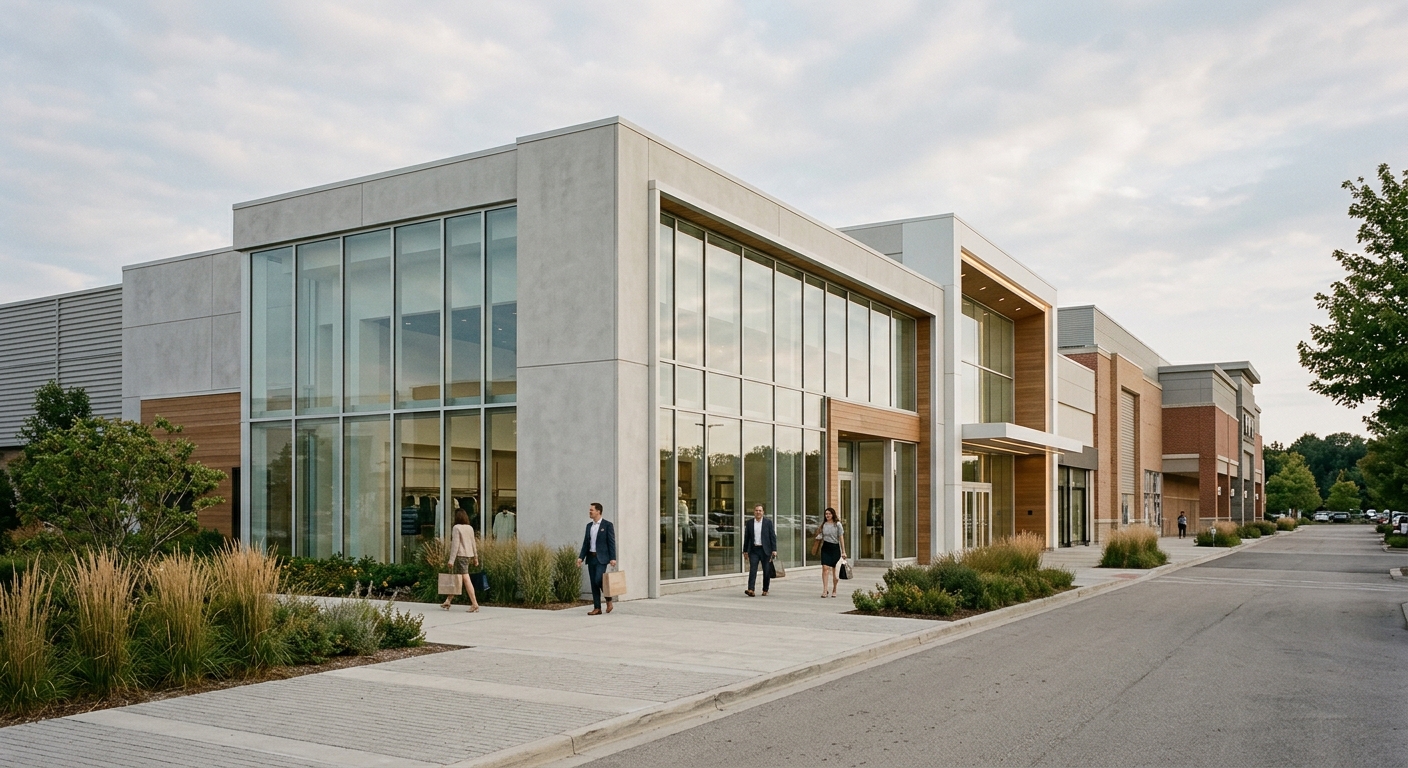
The Missouri REIT acquired the 120,000-square-foot experiential retail space occupied under a 10-year lease signed in late 2024.
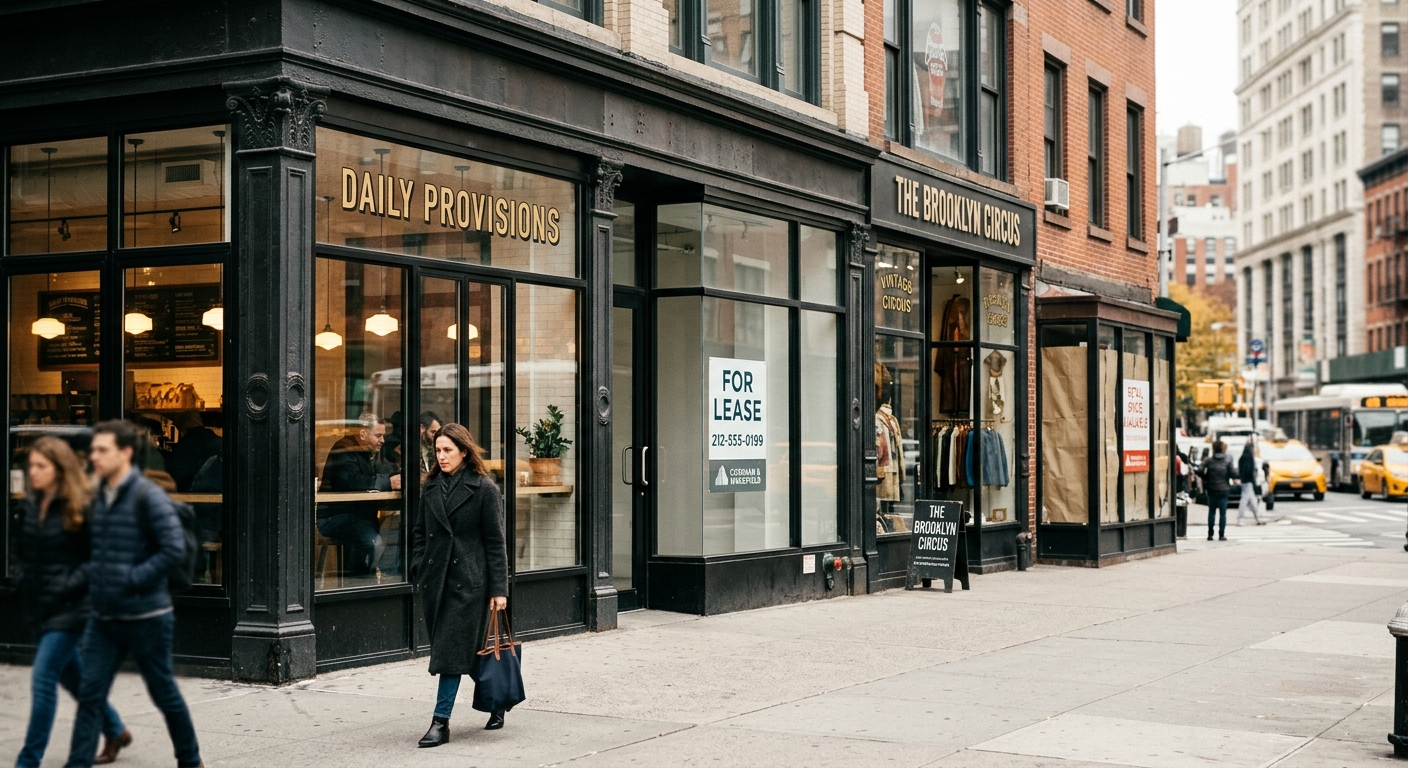
Proposed bill would cap rent increases at 10% during one-year extension periods, drawing opposition from commercial brokers and landlords.

Industrial fundamentals stayed tight with availability at 5.9%, while office supply constraints outweighed weakening demand in the first half of 2026.
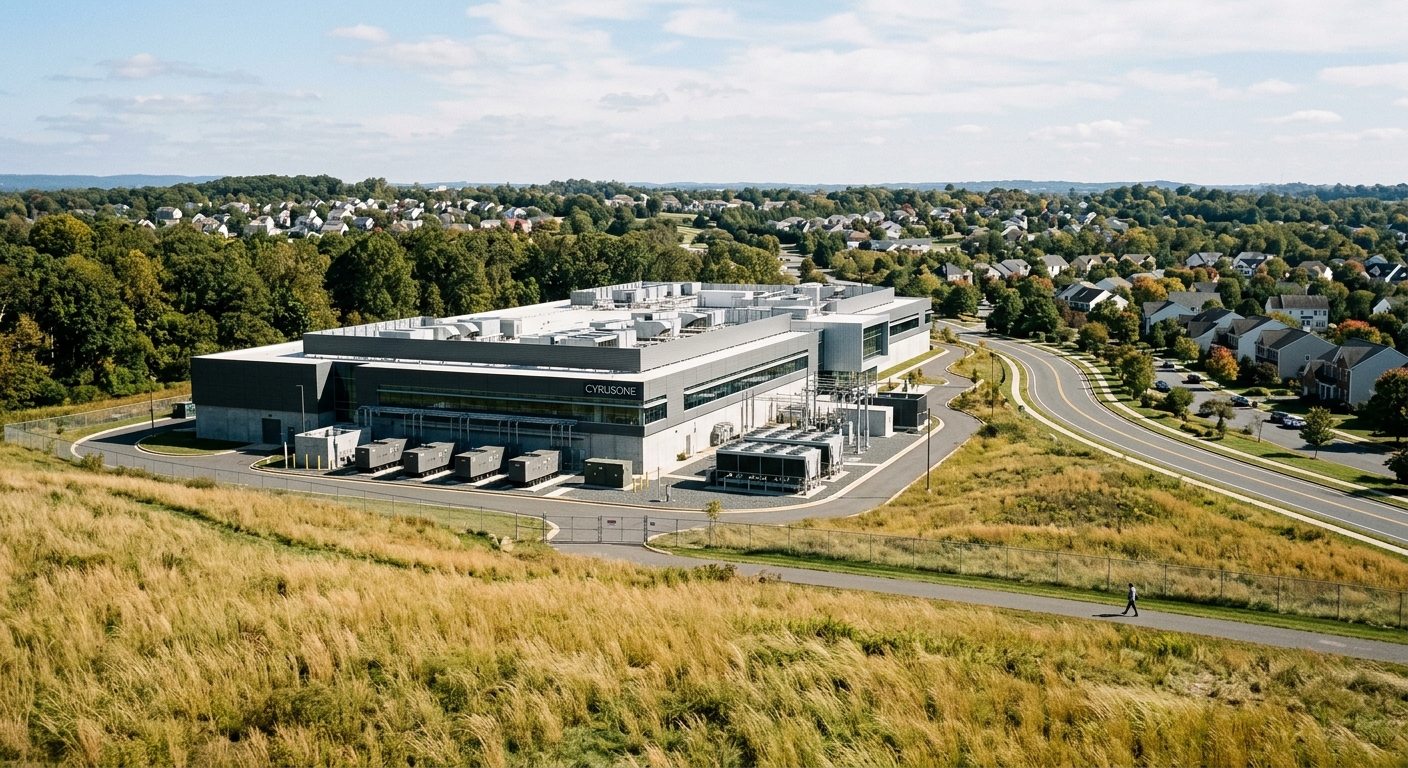
Analysis of 3,200 counties reveals counties with facilities have higher home values but researchers say correlation does not prove causation.
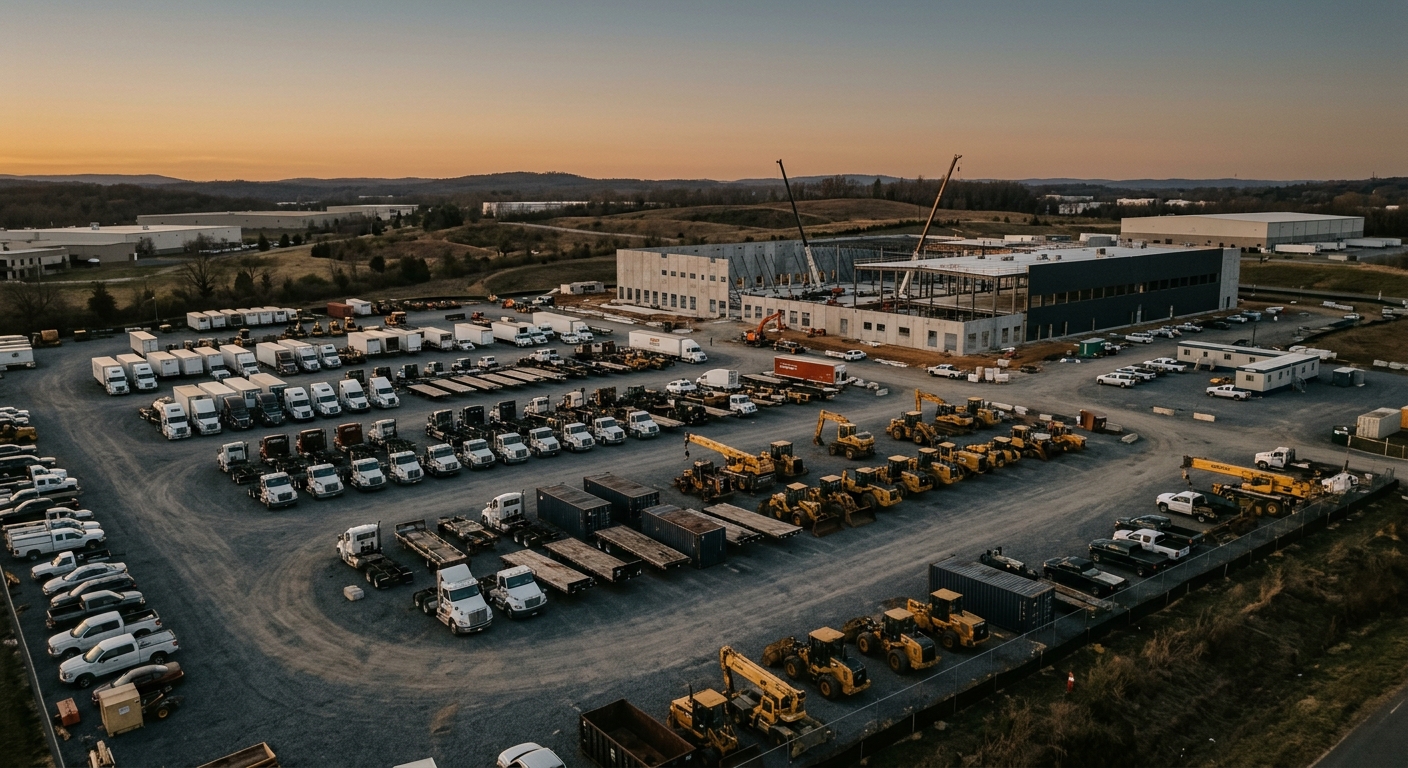
Data center developers now account for a fifth of new demand for truck yards and equipment lots, offsetting a prolonged downturn in the trucking sector.
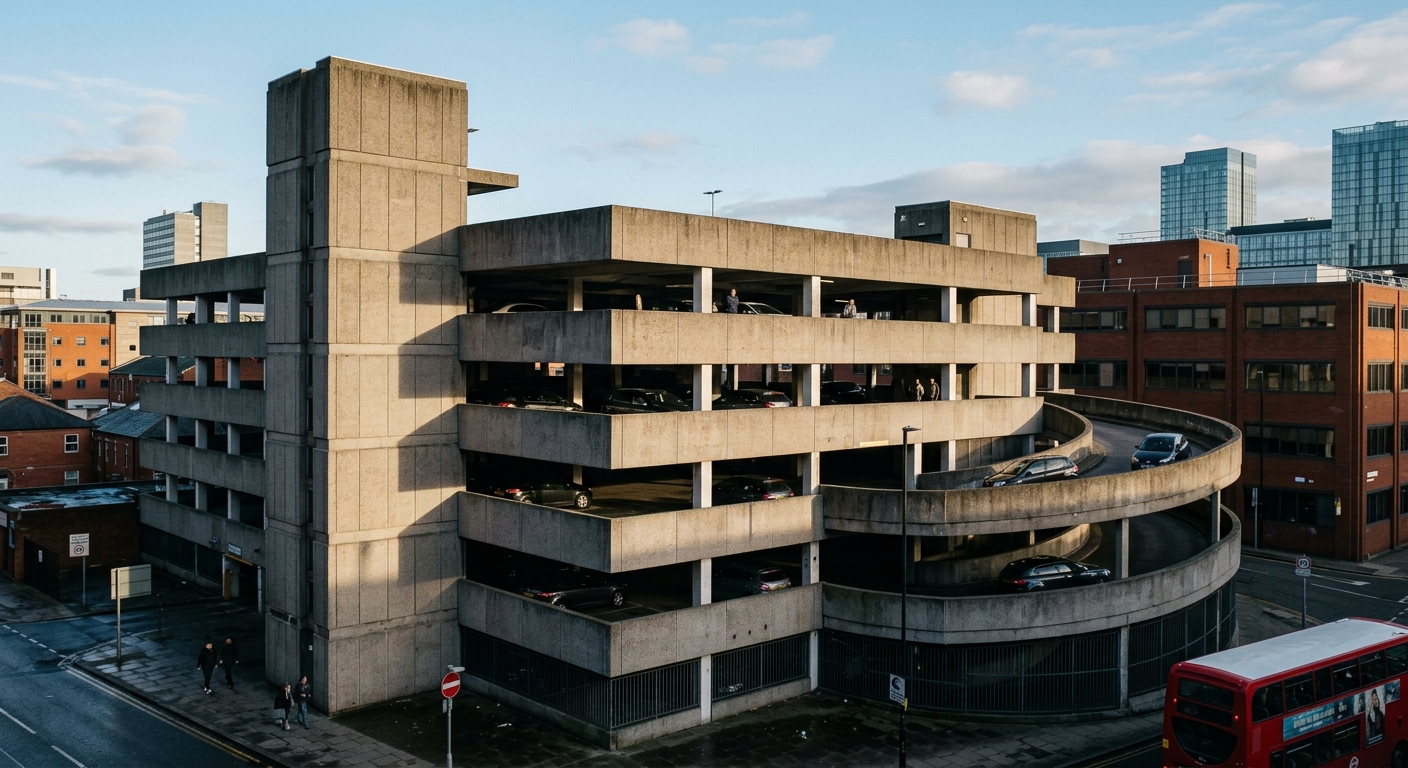
Martin Property Group, with £1 billion in assets, would assume leases and operations rather than buy the sites outright following NCP's March administration.

Denver market captured less than 1% of Northern Virginia's data center growth in the first half of 2024 as developers cite power constraints and missing tax incentives.
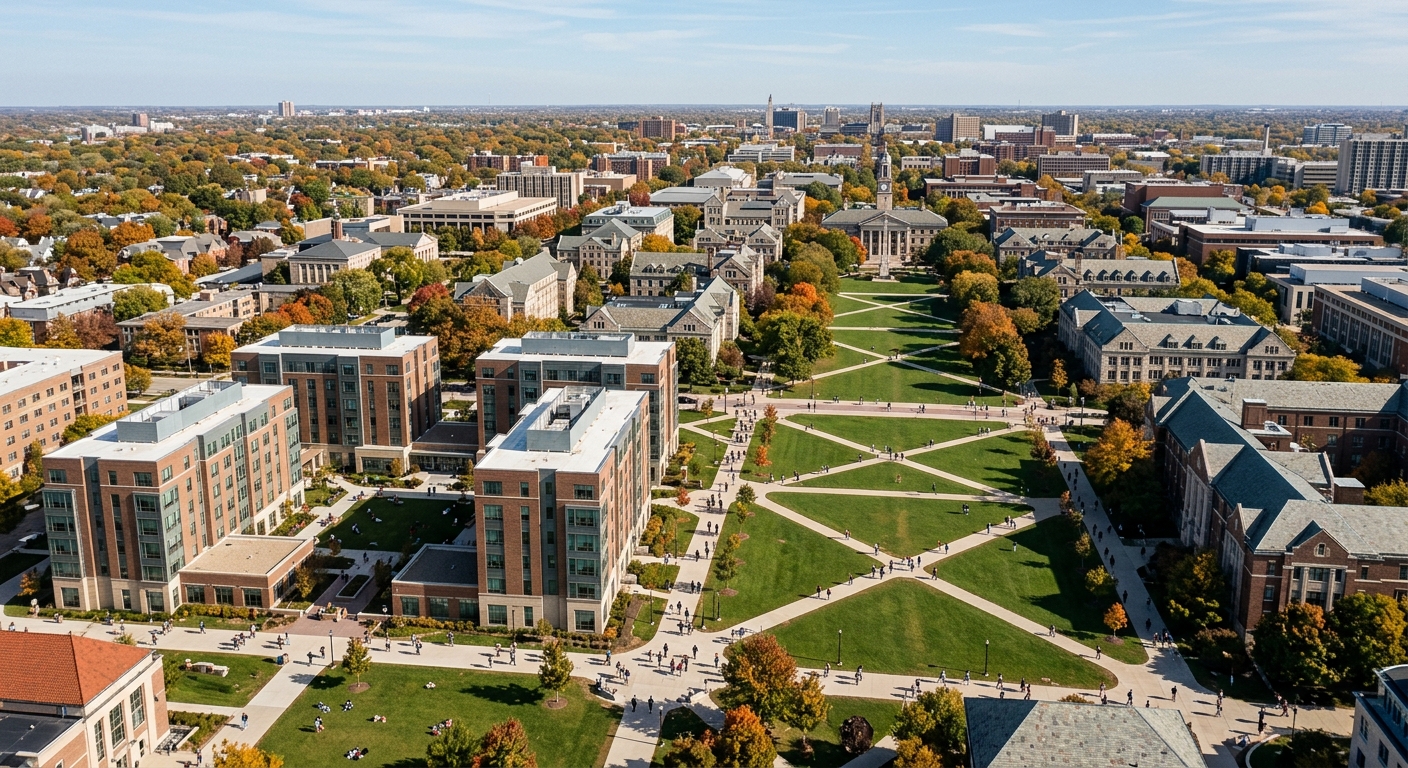
Harrison Street, which controls 238,000 beds across 200 university markets, sold a $910 million portfolio earlier this year as occupancy at top-tier schools nears 95%.
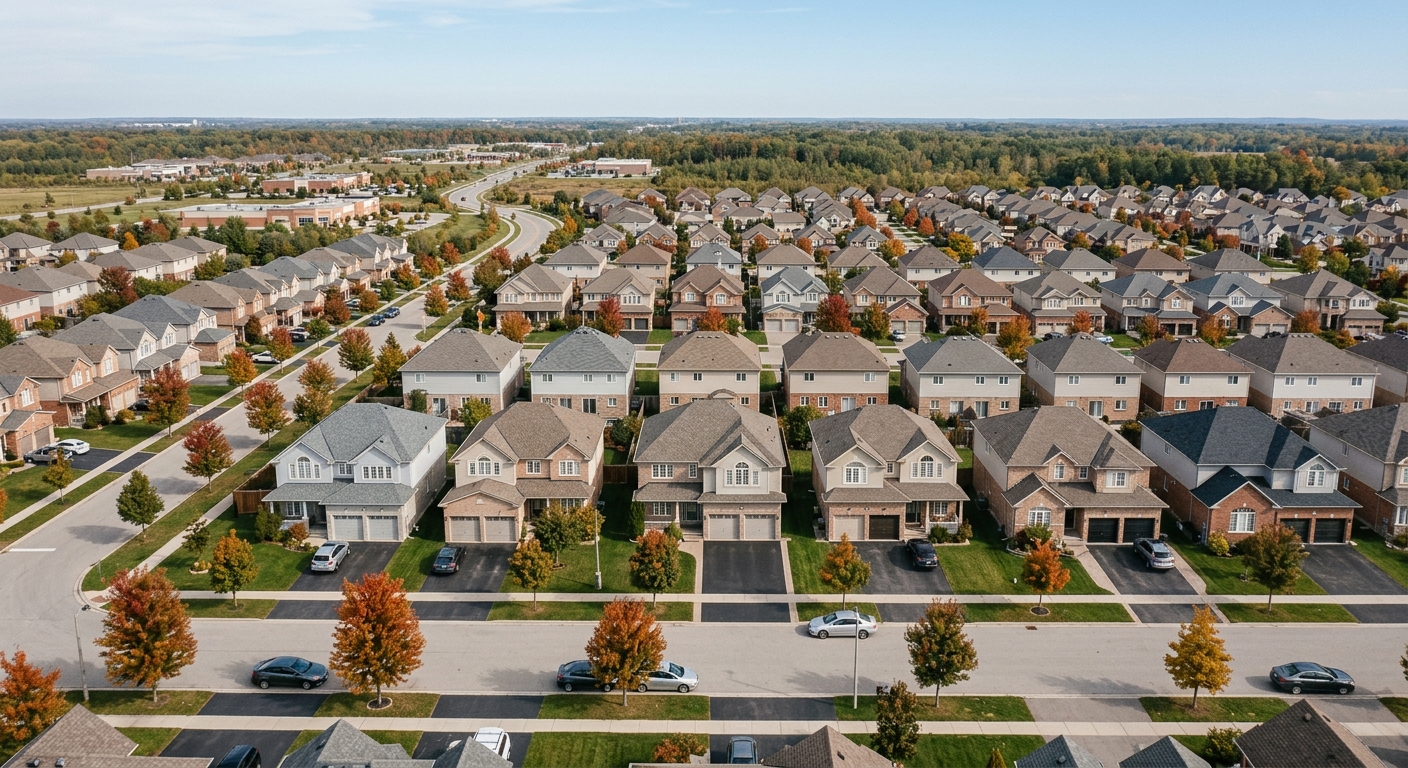
ARM share reached 8% last week, its highest level in five weeks, as the spread between adjustable and fixed rates widened.
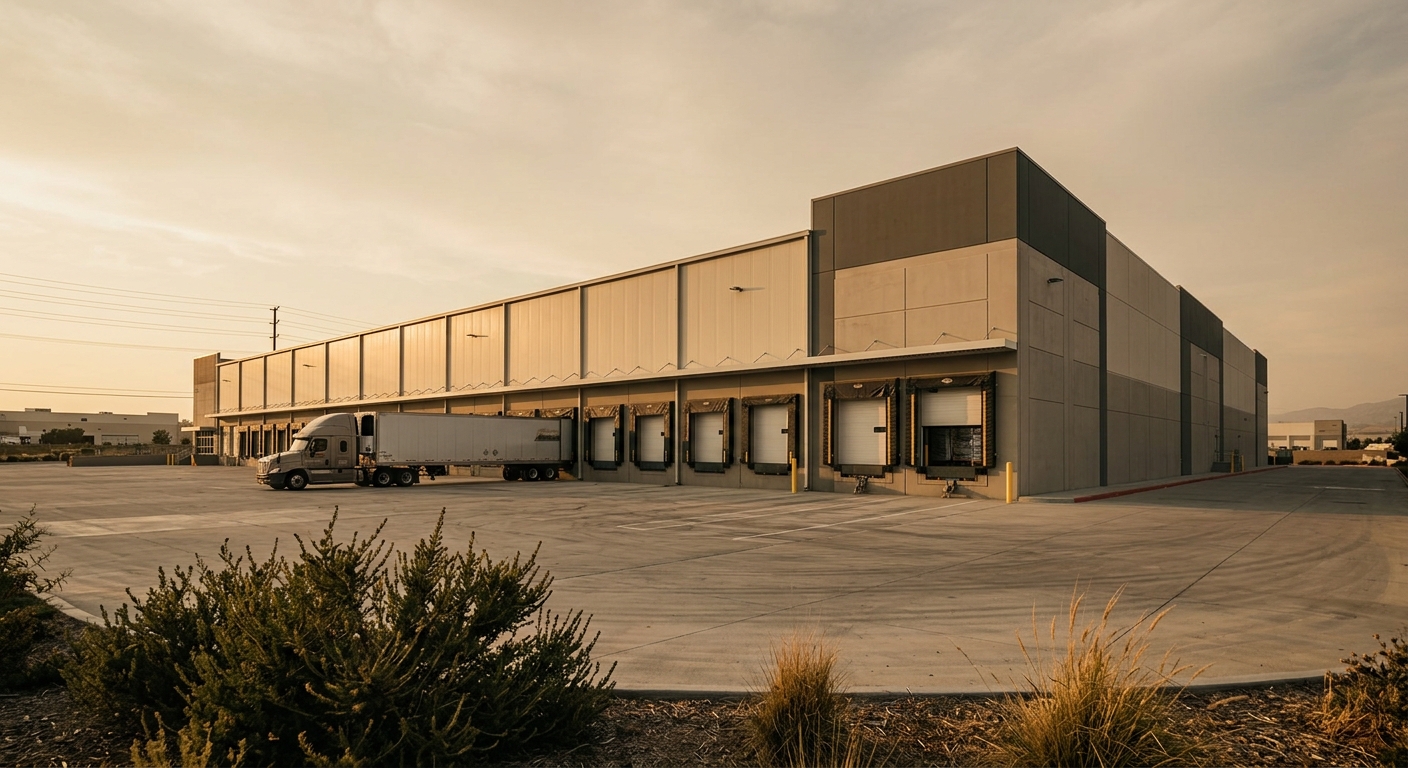
Two pieces of legislation prompted by the Boyle Heights warehouse fire would require new refrigerated facilities to set aside emergency funds and face elevated penalties for violations.
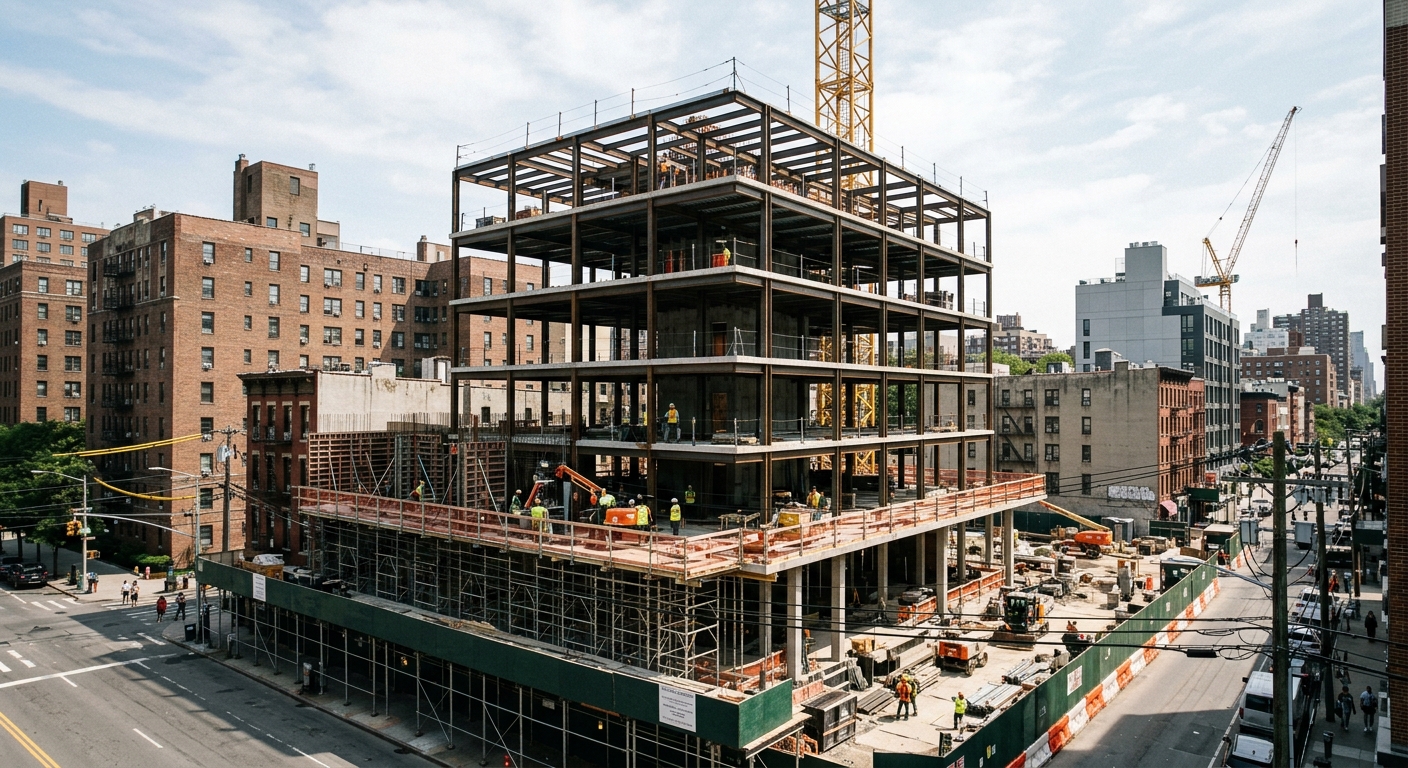
Gov. Kathy Hochul signed reforms to New York's environmental statute after California's staged rollout cut approval delays, with 113 projects bypassing review in the year since AB 130 took effect.
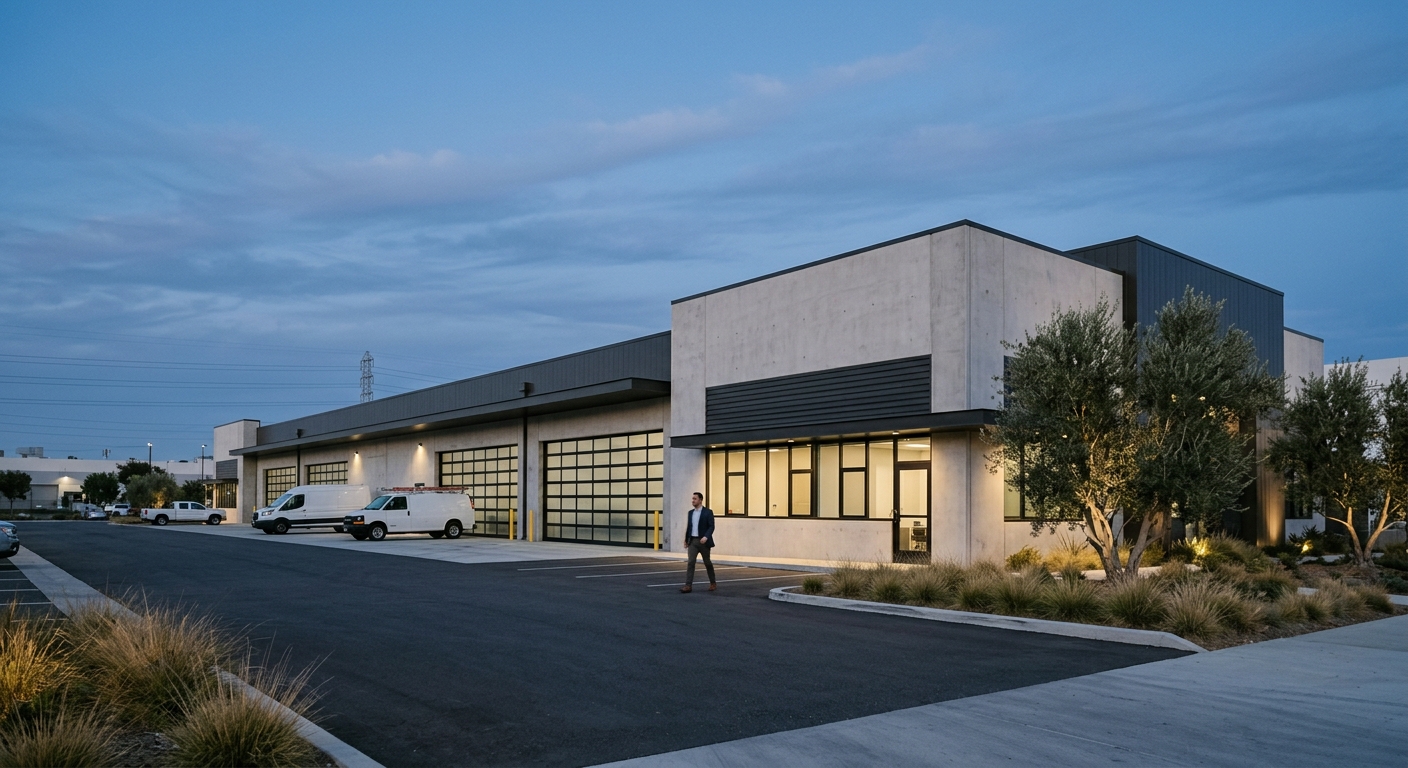
Majestic Asset Management paid $480 per square foot for the 57,000-square-foot property leased to Rivian through 2034.
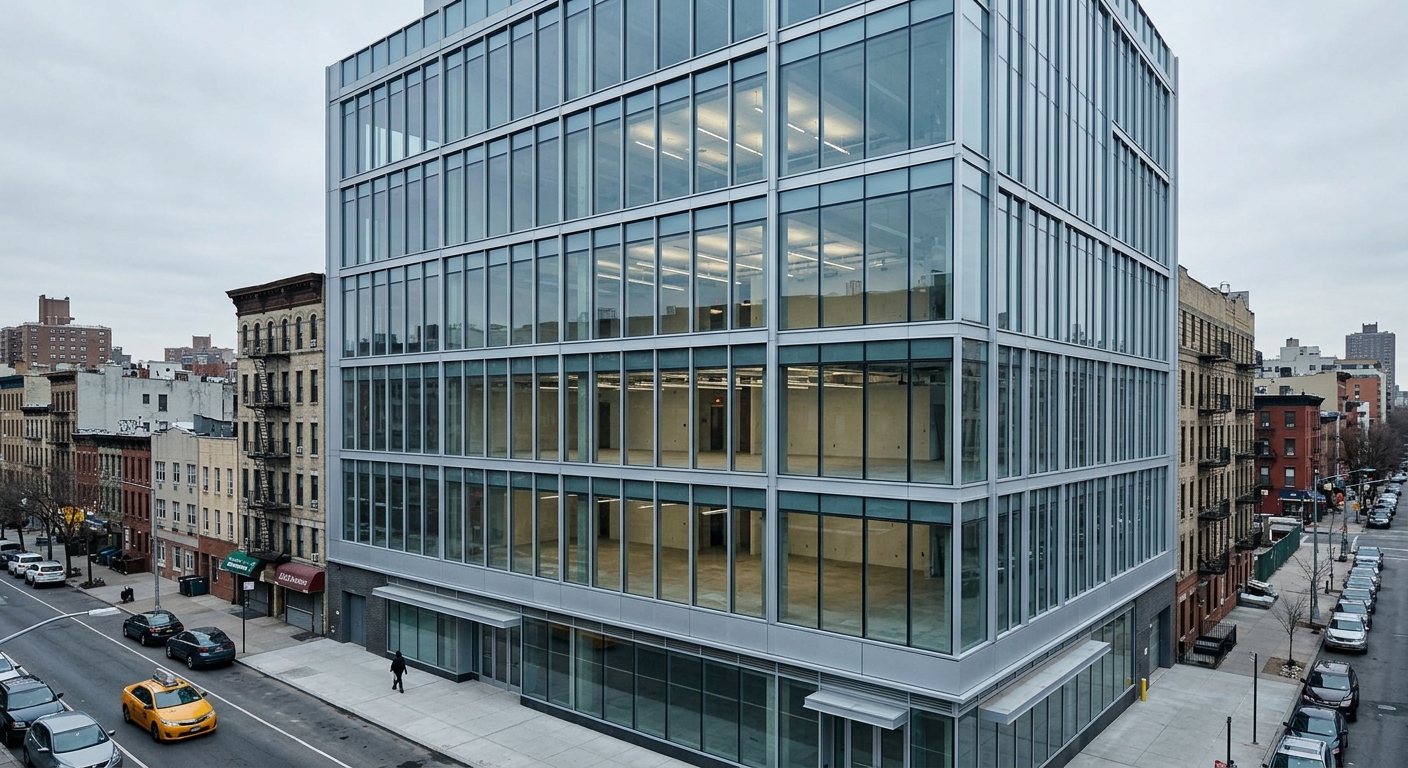
Hundreds of thousands of square feet of lab space delivered since 2022 remain vacant as leasing activity concentrates in Kips Bay and Long Island City.
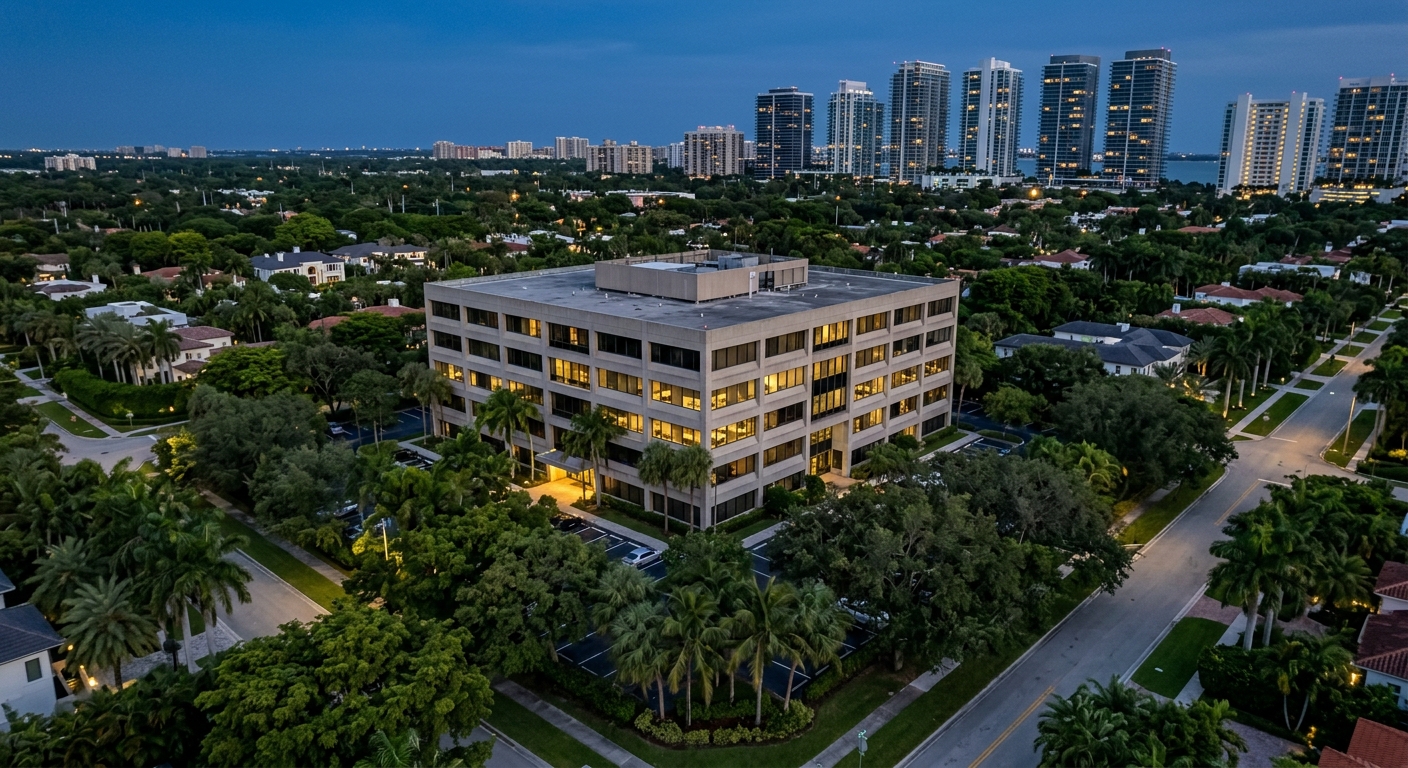
El-Ad National Properties acquired the adjacent development site in May, signaling plans beyond a simple resale.

The proposal would raise the current $250,000 and $500,000 exclusion thresholds, which have not changed since 1997, though passage before November midterms is unlikely.
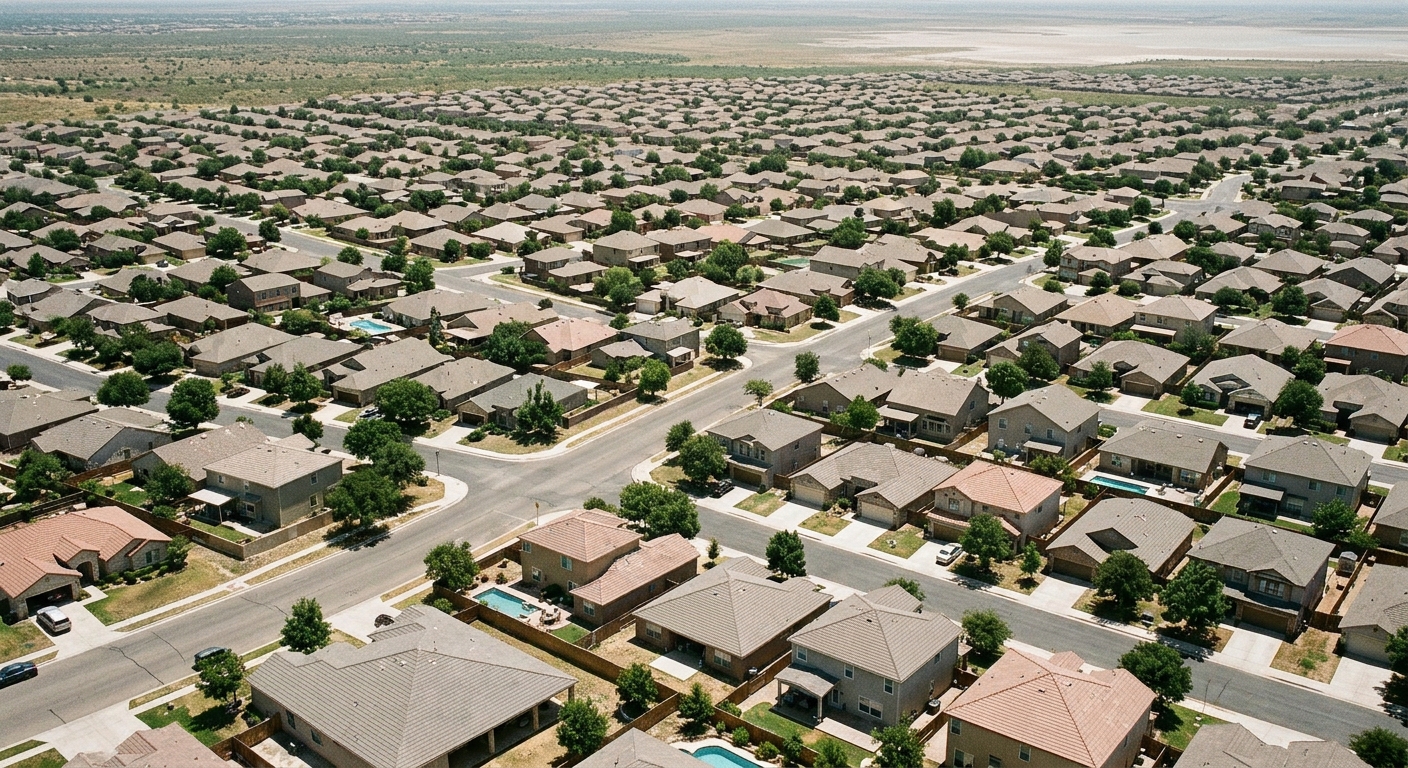
Nonrenewal rates climbed as much as 216% in western states since 2018, while average premiums reached $1,818 per year in the Southeast, according to NAIC data.

Lee Jae Myung invoked Japan's lost decades to highlight overheating concerns, though economists say strict lending controls and lower leverage limit systemic risk.
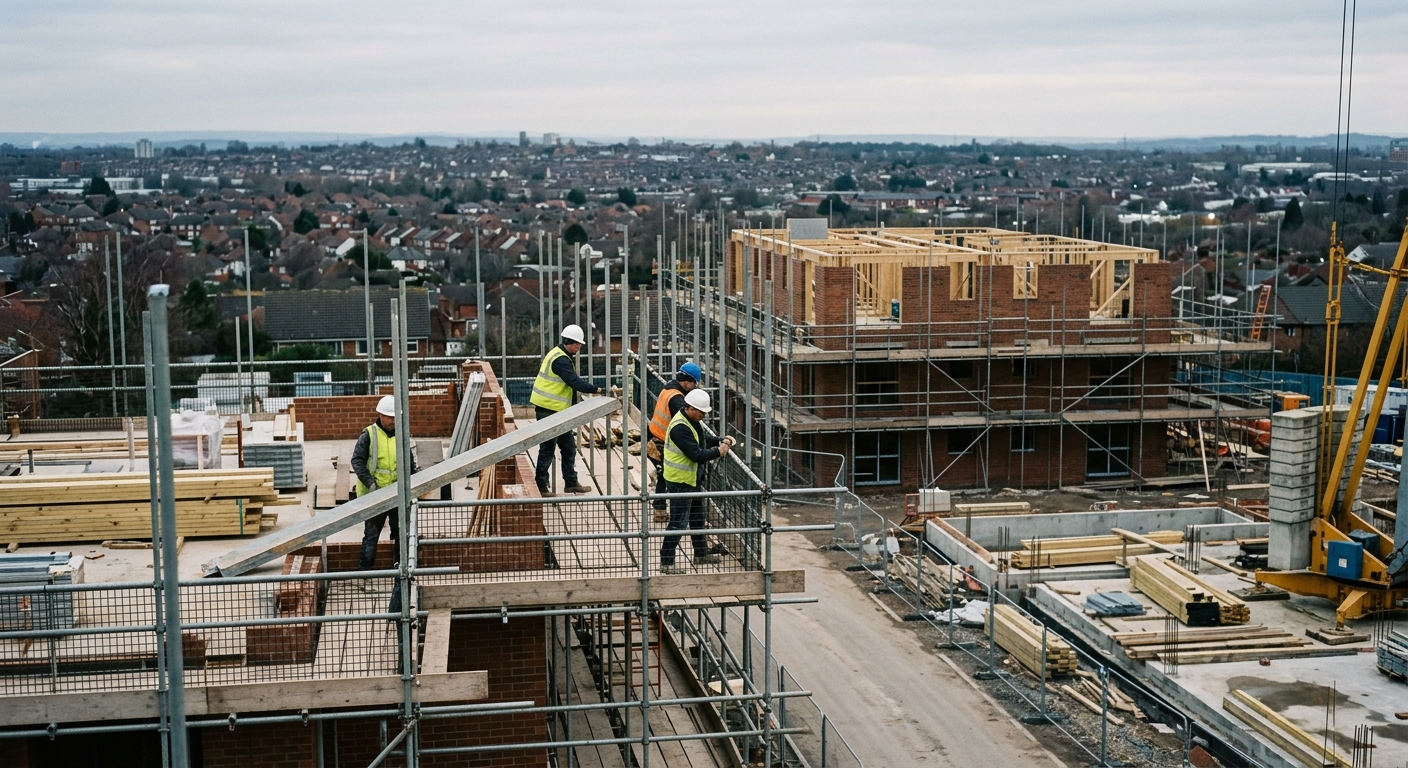
Voters aged 18-34 rank housing affordability as their number-one issue, outpacing food costs and democracy, as both parties vie for control of Congress.
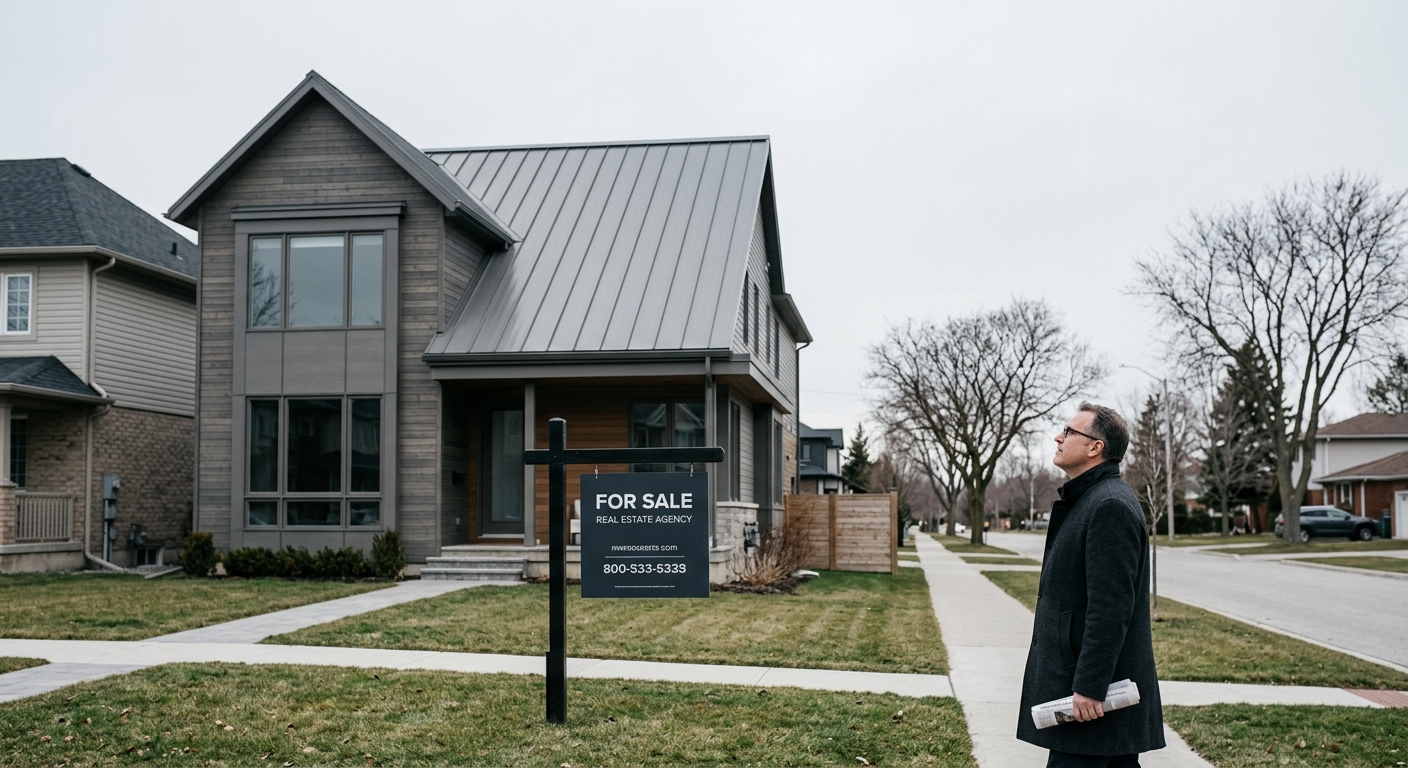
Thirty-year fixed rates climbed to 6.65 per cent last week, pushing purchase applications down while government-backed refinances surged on thin volumes.
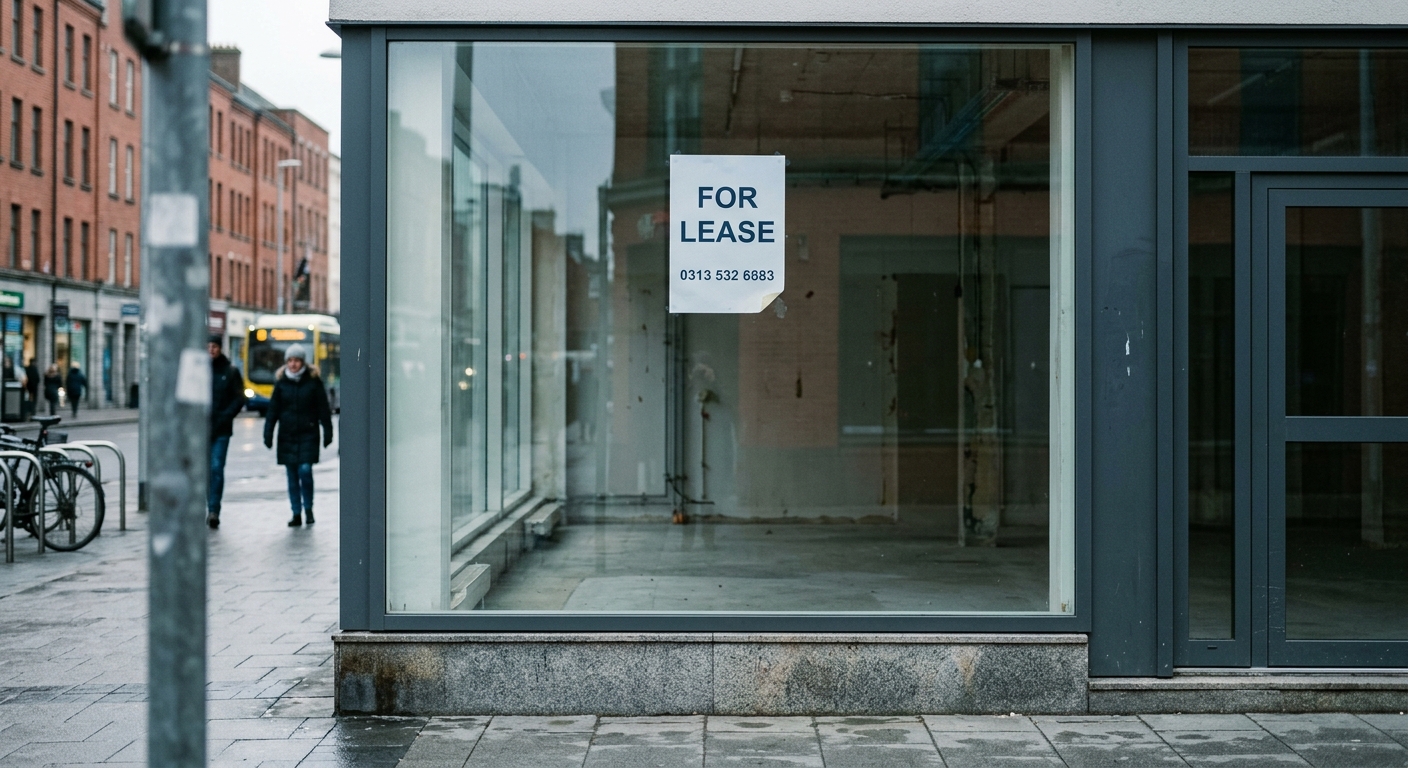
Rising inflation and stubborn interest rates are driving corporate bankruptcies to 591,850 filings, forcing landlords into rent negotiations as tenants cull underperforming locations.

Active listings fall 14% year-over-year while median home prices climb past $425,000, marking the ninth straight month of sales gains.

Hundreds of billions in maturing loans are forcing higher cap rates and steep haircuts on obsolete assets, while family offices and insurers step into the lending gap.

MCB Real Estate hires Capital Square veteran to run DST-focused vehicle as baby boomer demand for tax-deferred exits hits record levels.

National asking rents rose 3.3% year-over-year to $32.72 per square foot even as vacancies climbed and underperforming assets face extension hurdles.

Nearly 16% of securitised debt tied to Hilton properties is delinquent—more than twice the market average—as the brand's business recovery trails Marriott, Hyatt and IHG.
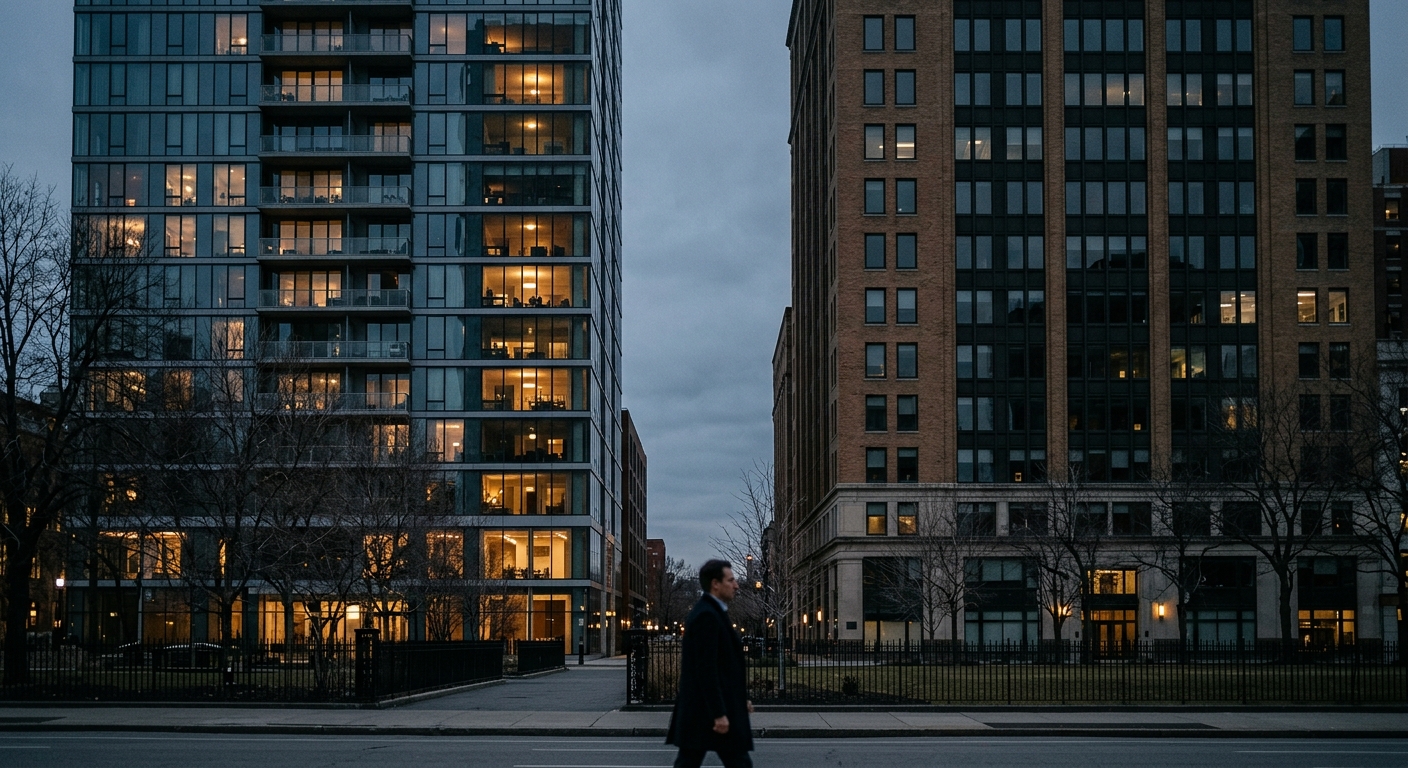
Second-quarter data show multifamily and industrial pricing stabilizing while office and retail widen, with family offices accounting for a rising portion of transaction volume.
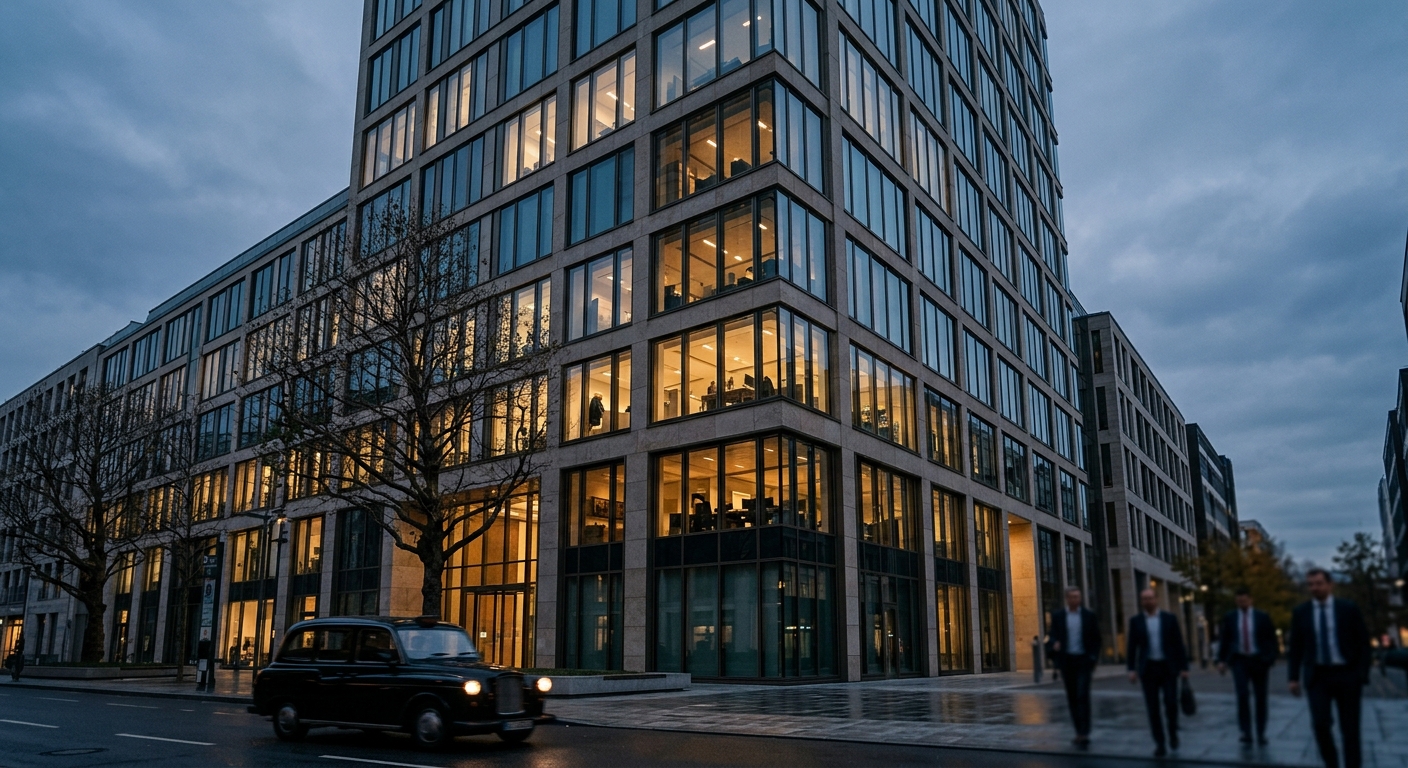
CBRE Investment Management sees transaction volumes rebounding and yields resetting to more attractive levels for long-term capital following sharp correction.
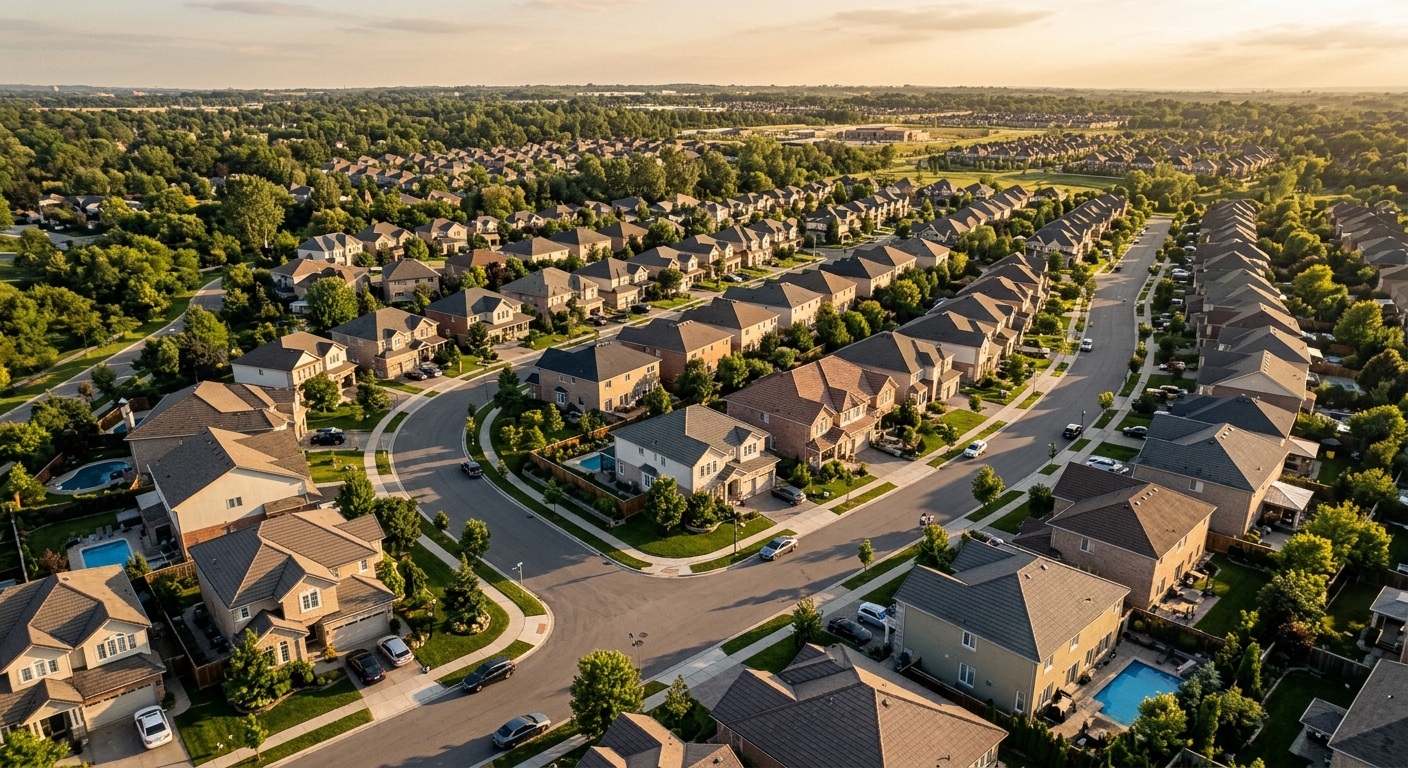
Applications climbed despite a tick higher in rates, with refinancings up 15% and adjustable-rate mortgages gaining share as buyers push through the spring market.
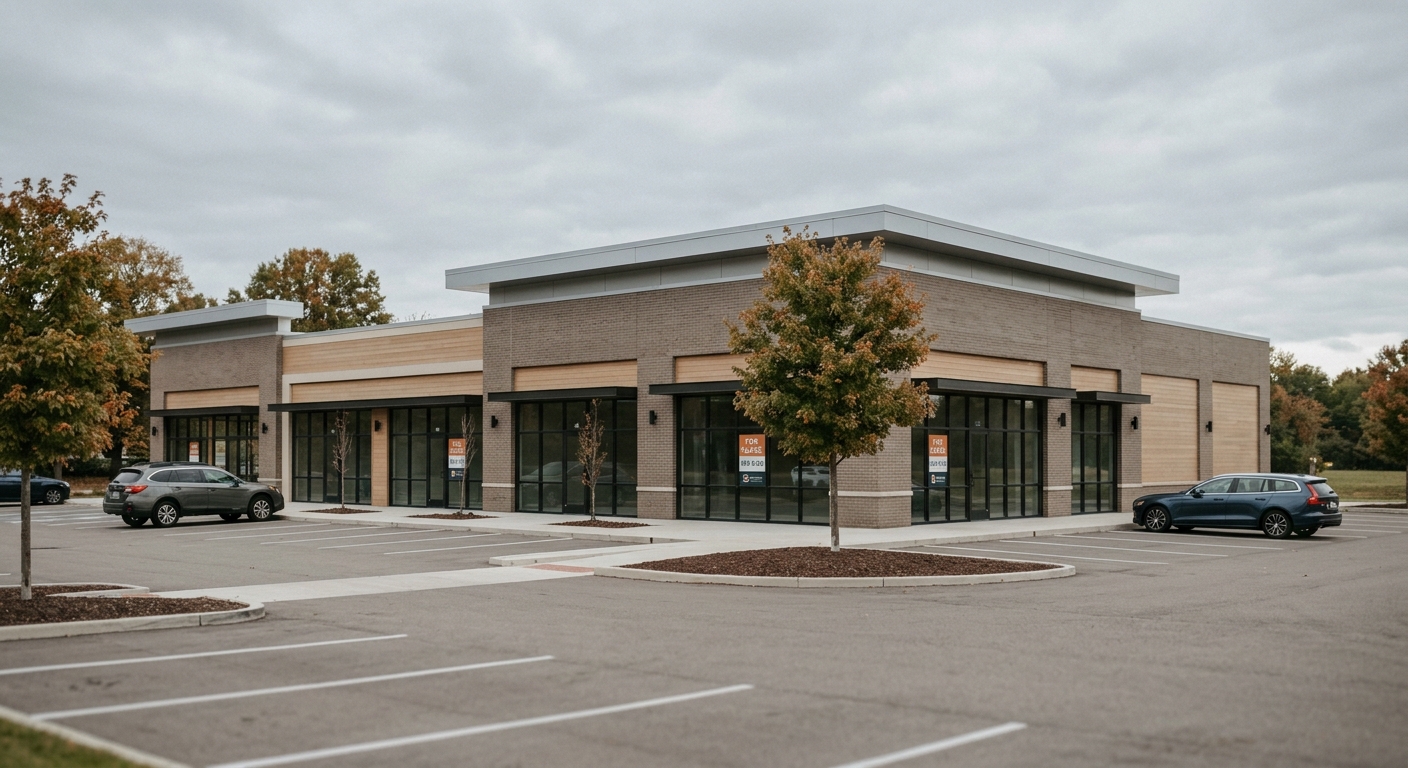
Landlords control full portfolios while elevated interest rates and tariff uncertainty freeze speculative development across most U.S. markets.
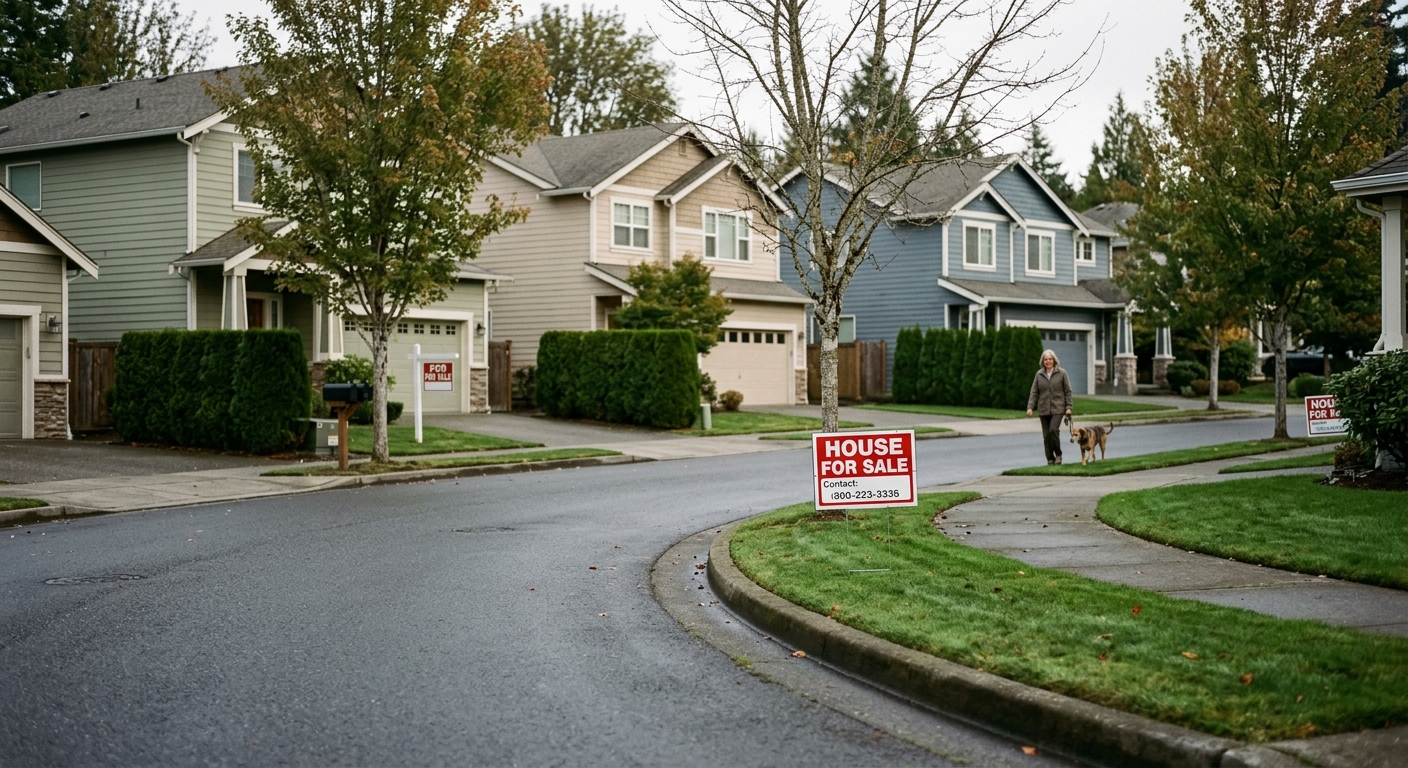
Mortgage rates above 6% and widening regional divergence are reshaping affordability and supply dynamics, with inventory rising even as closings remain flat.
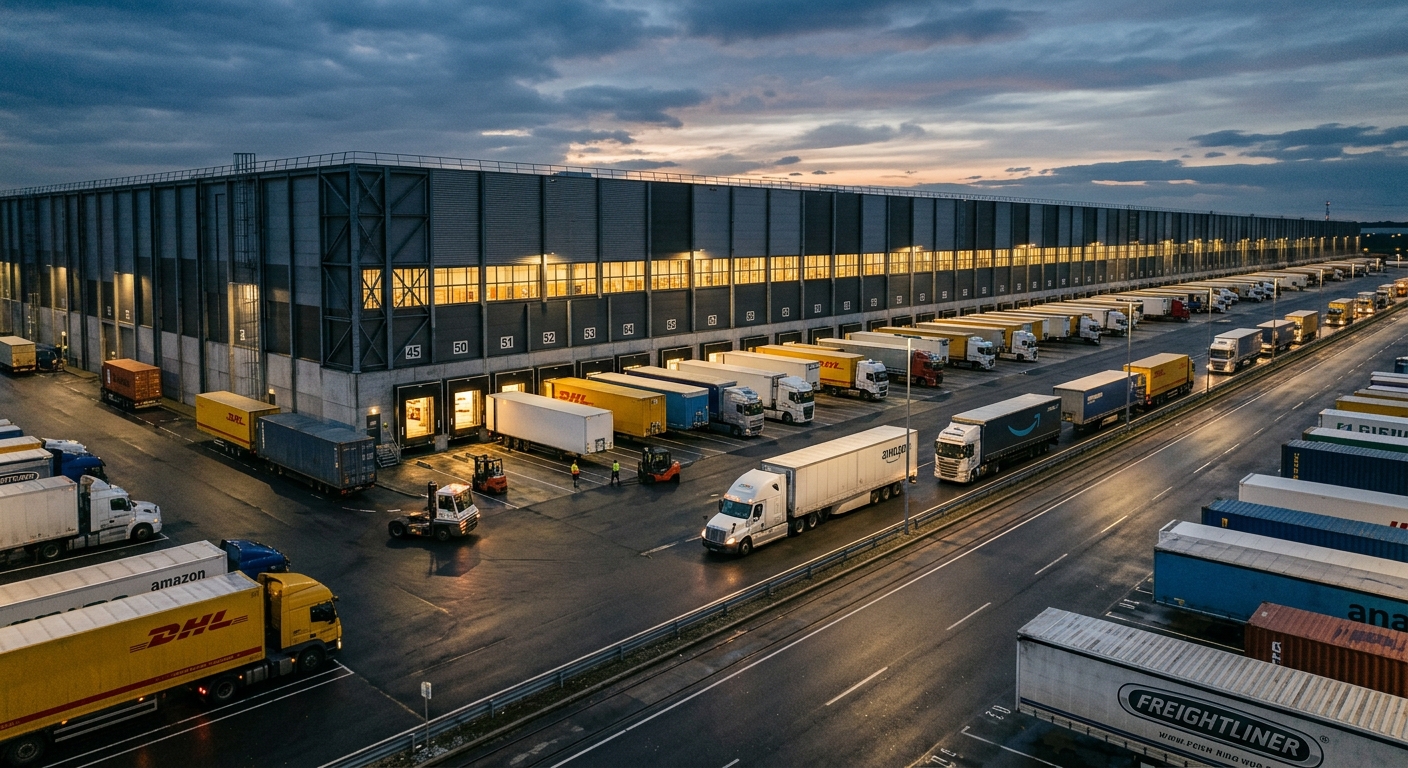
Year-to-date deal flow mirrors 2023–2024 levels while national vacancy climbs 270 basis points, signaling a stabilized but cooling market.
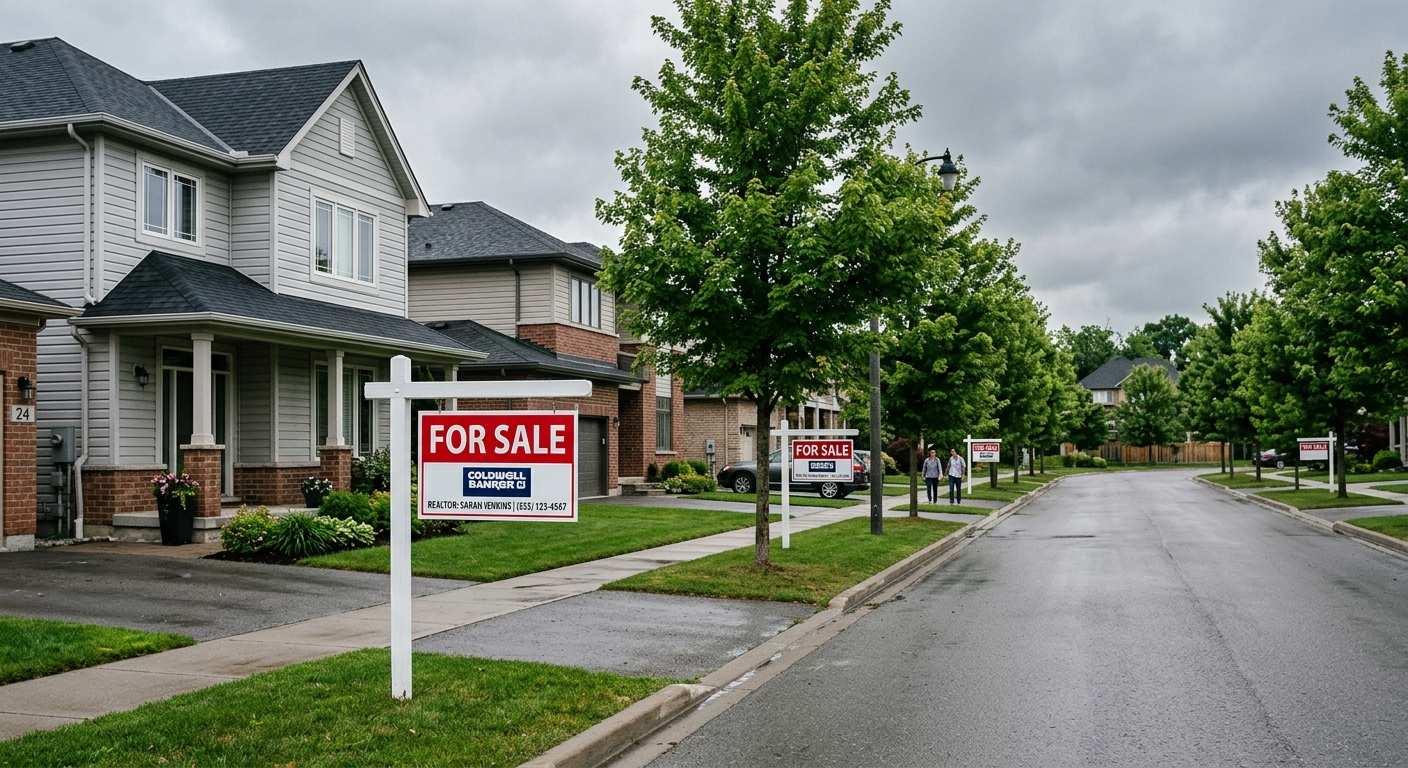
Applications plunge across all loan categories as the 30-year fixed rate climbs to 6.65%, its highest level since August, while purchase demand stalls amid eroding affordability.

Brian Connolly of Feasibly explains why enterprise AI investments have yielded no measurable returns and how purpose-built systems are transforming deal evaluation.

The all-stock combination creates one of the largest U.S. real estate companies with more than 180,000 rental apartments, raising questions about consolidation, scale and defensive positioning.

As 30-year fixed rates climb to 6.56%, nearly 10% of borrowers are now opting for adjustable-rate mortgages, the highest share since October 2025.
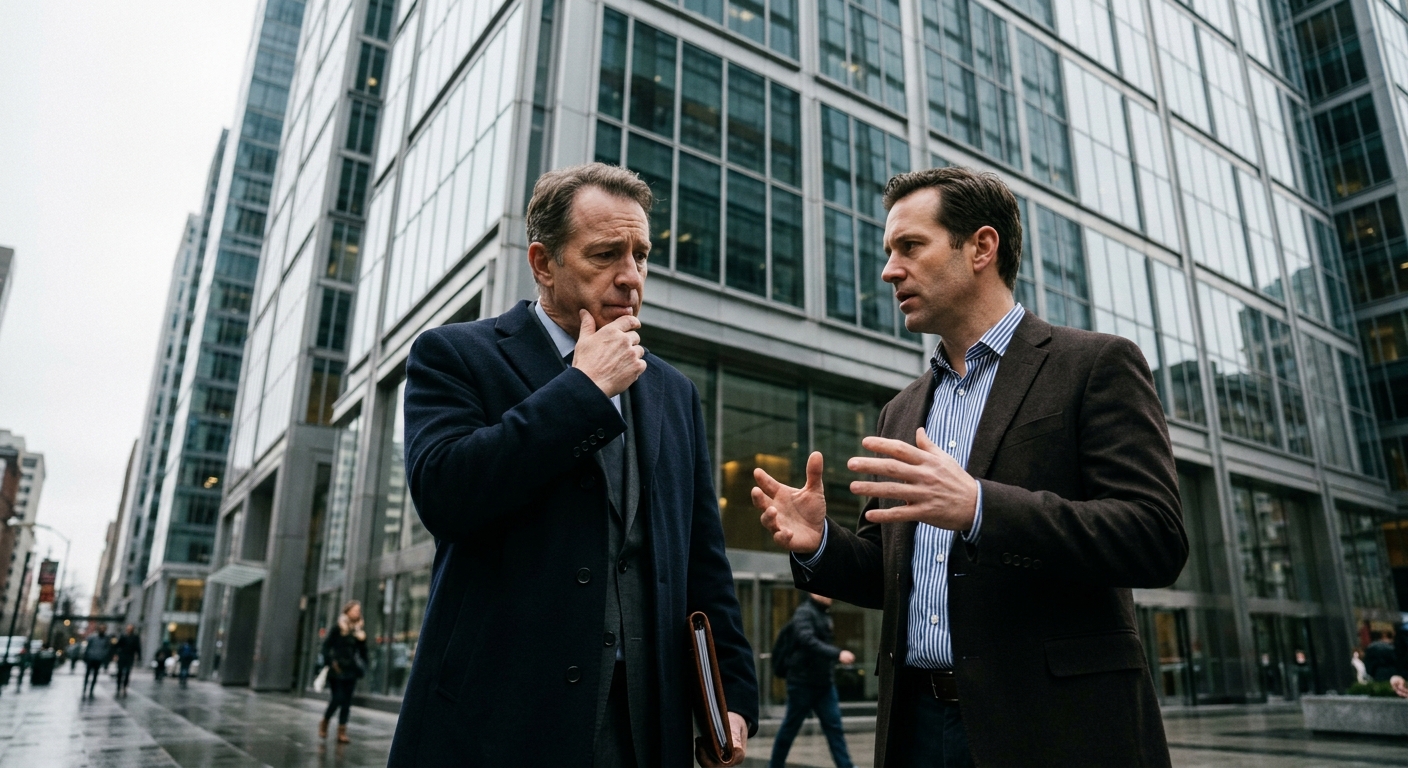
Regional banks extend-and-pretend while borrowers face soaring debt service costs, creating openings for family office capital.
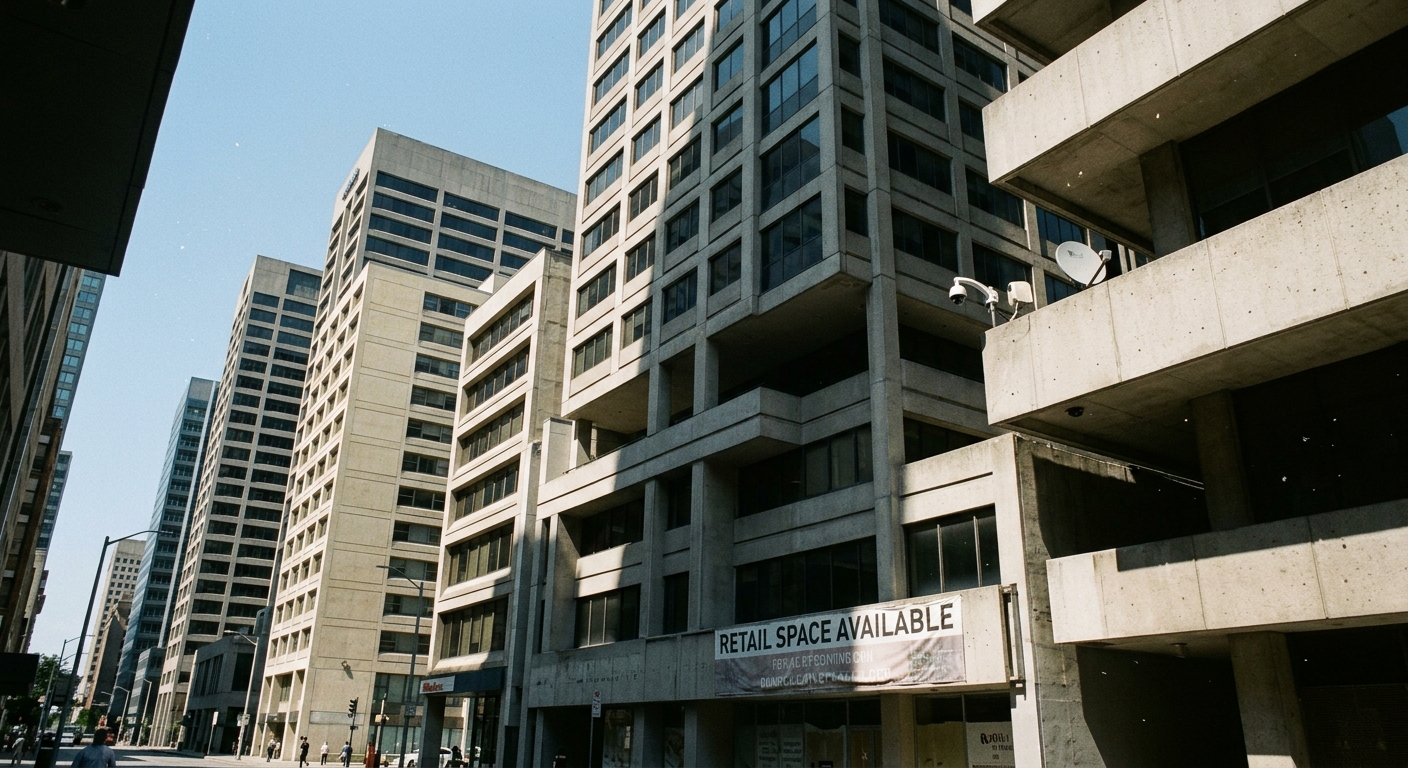
Green Street's April index shows continued repricing across U.S. income properties, with higher rates and cautious lenders keeping transaction volumes muted.

Warehouse and last-mile distribution assets are seeing renewed bidding pressure as e-commerce volumes rebound from 2024 lows.

Mesa, Chandler and Scottsdale all post double-digit job-growth metrics as family offices accumulate land and industrial holdings.
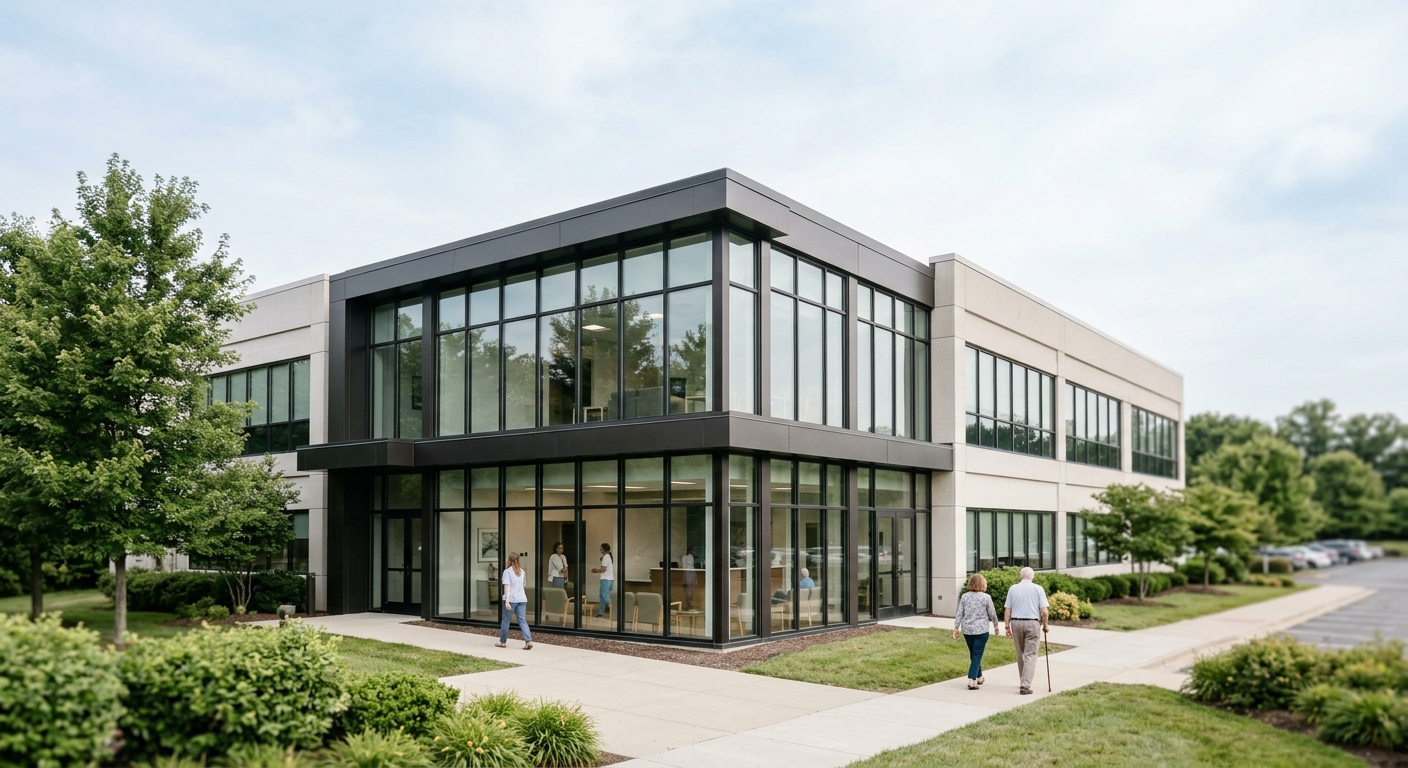
Portfolio sales more than doubled from a year earlier, driving MOB transaction activity to $6.7 billion through June.
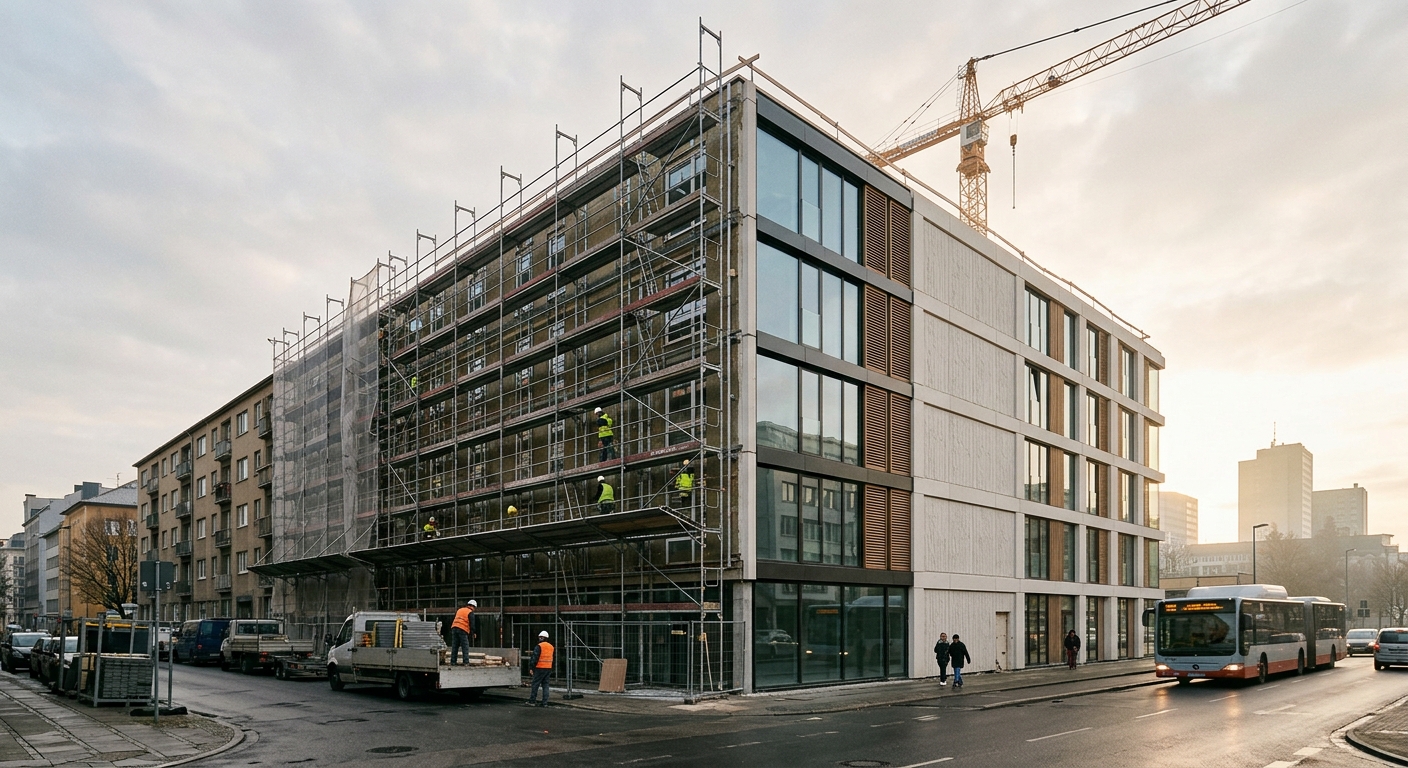
The asset manager cites higher yields, constrained core fundraising and a 9.6 million-home shortfall as conditions favouring active repositioning over yield compression.
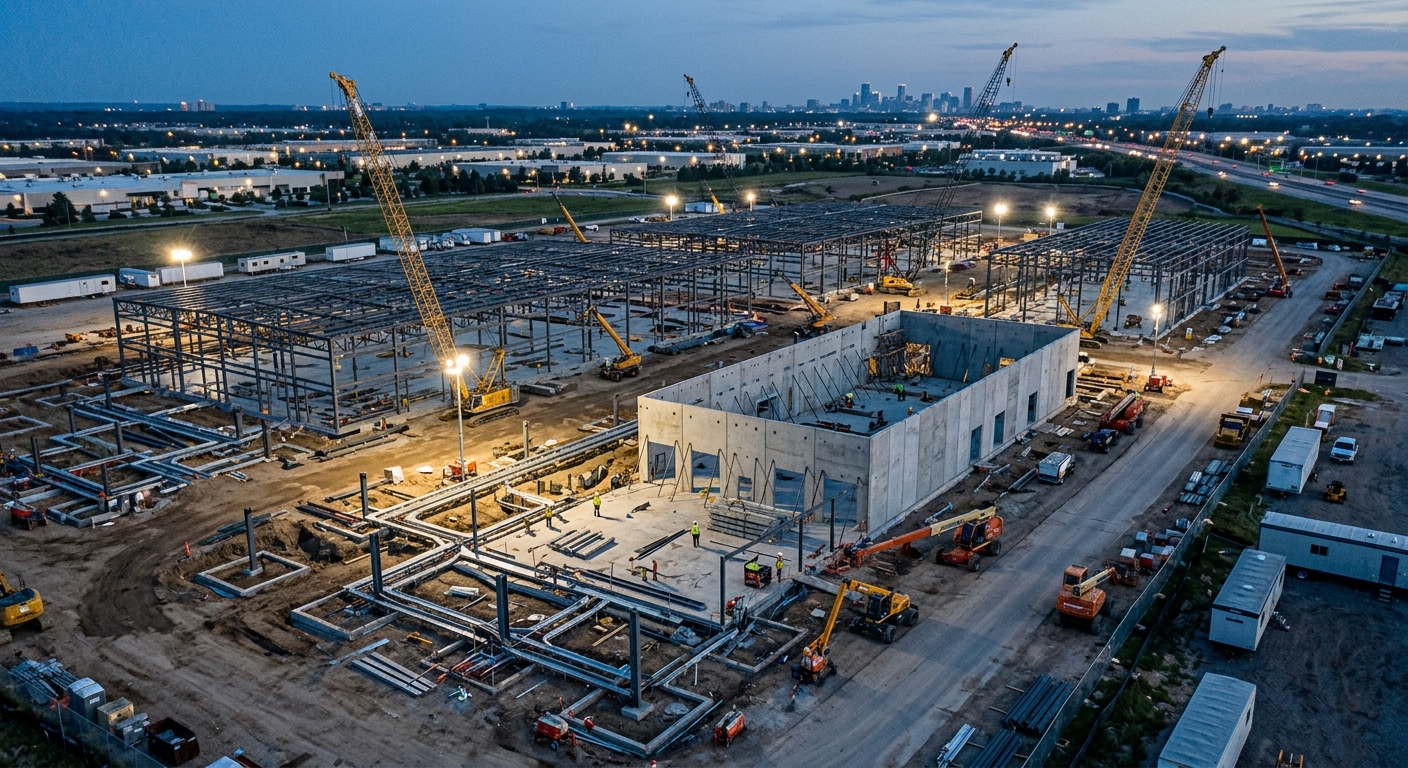
The infrastructure push will consume 3.6% of U.S. GDP annually through 2032, exceeding railway and highway build-outs combined, with at least $1.3 trillion in debt already committed.

Trailing four-quarter transaction volume climbed 16.3% year-over-year, with industrial property prices leading gains at 13.2%.
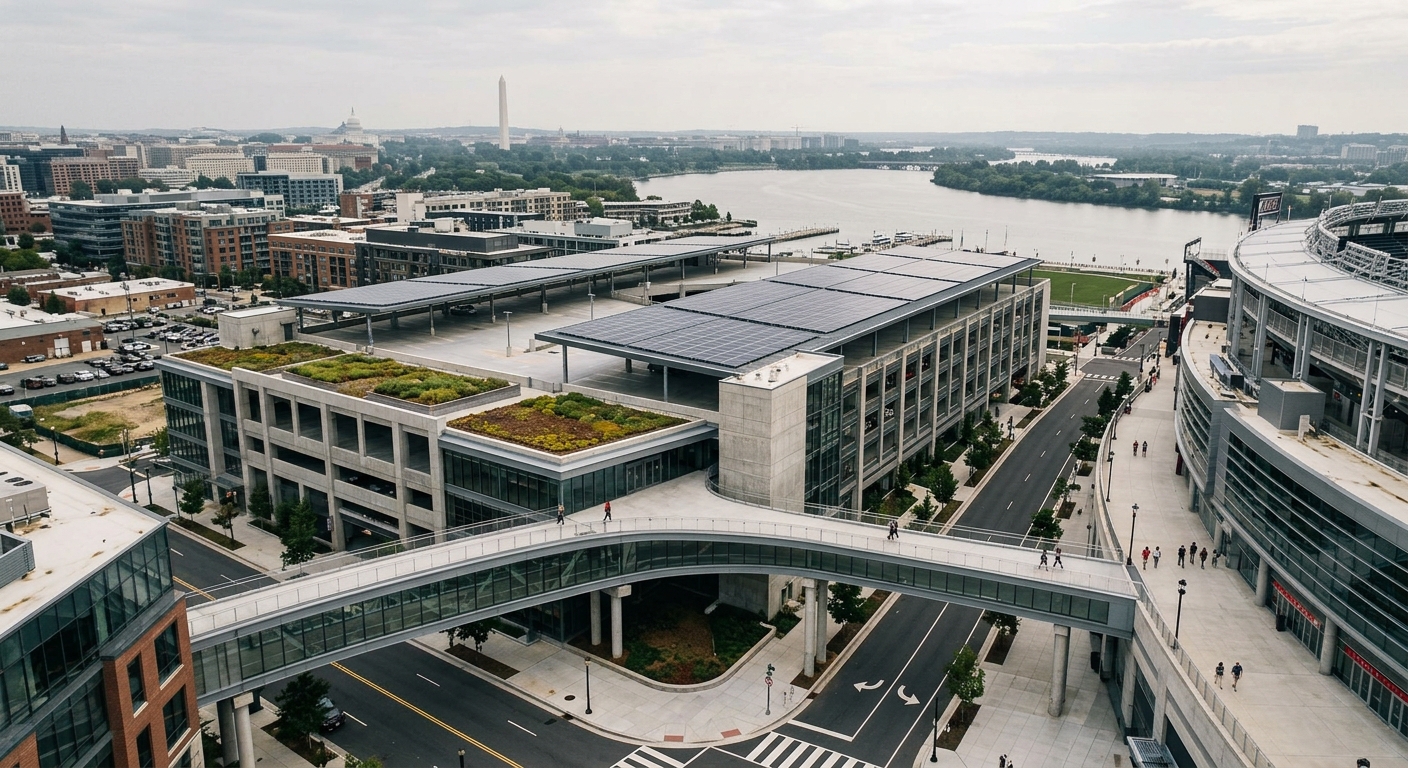
Two multilevel garages totaling 6,000 spaces will anchor the 180-acre RFK campus, which is slated to include up to 6,500 homes and a 70,000-seat stadium.
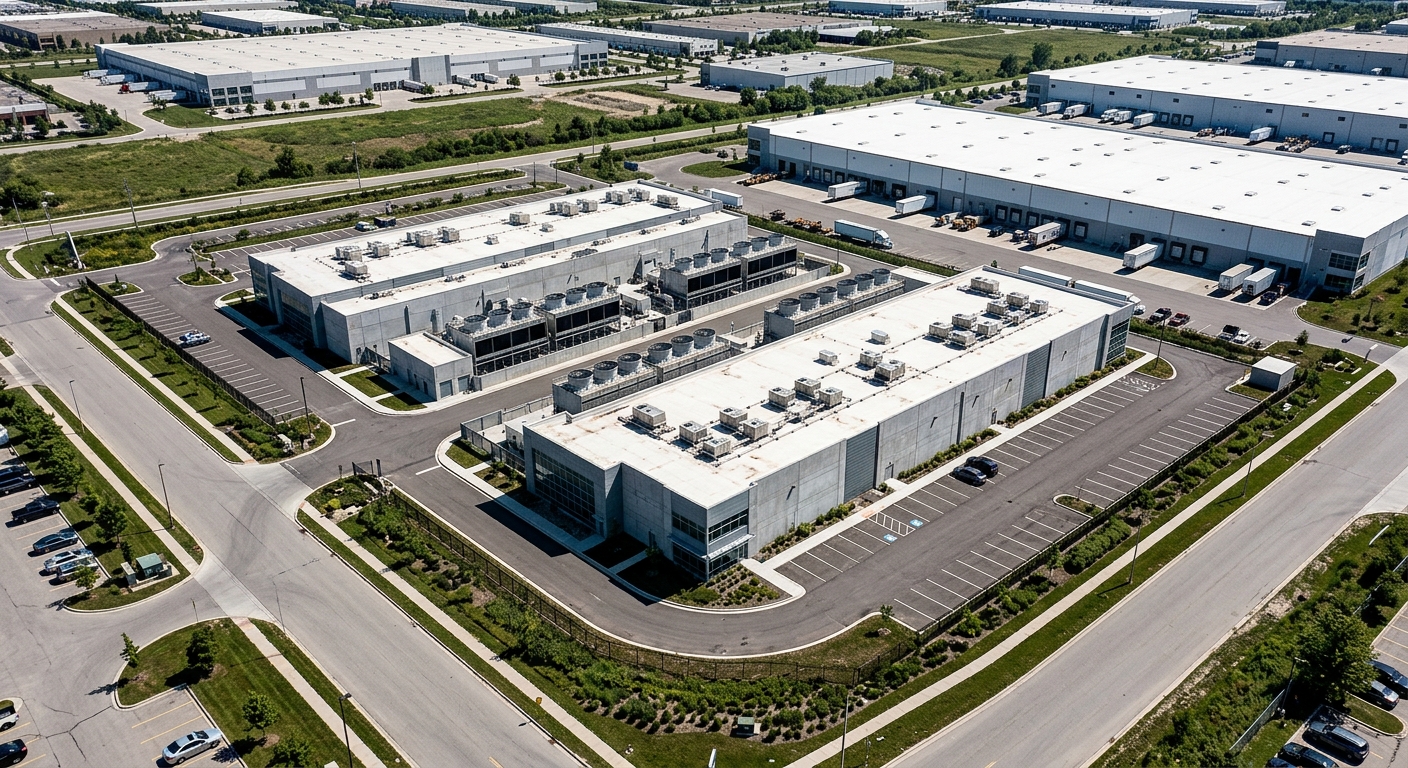
Industrial properties within two miles of data centers command a 7% rent premium as support-sector leasing climbs 30% year over year, CBRE reports.

Bond yields pushing 30-year mortgage rates toward 7% may ease if the central bank raises its benchmark at next week's meeting, economists said.
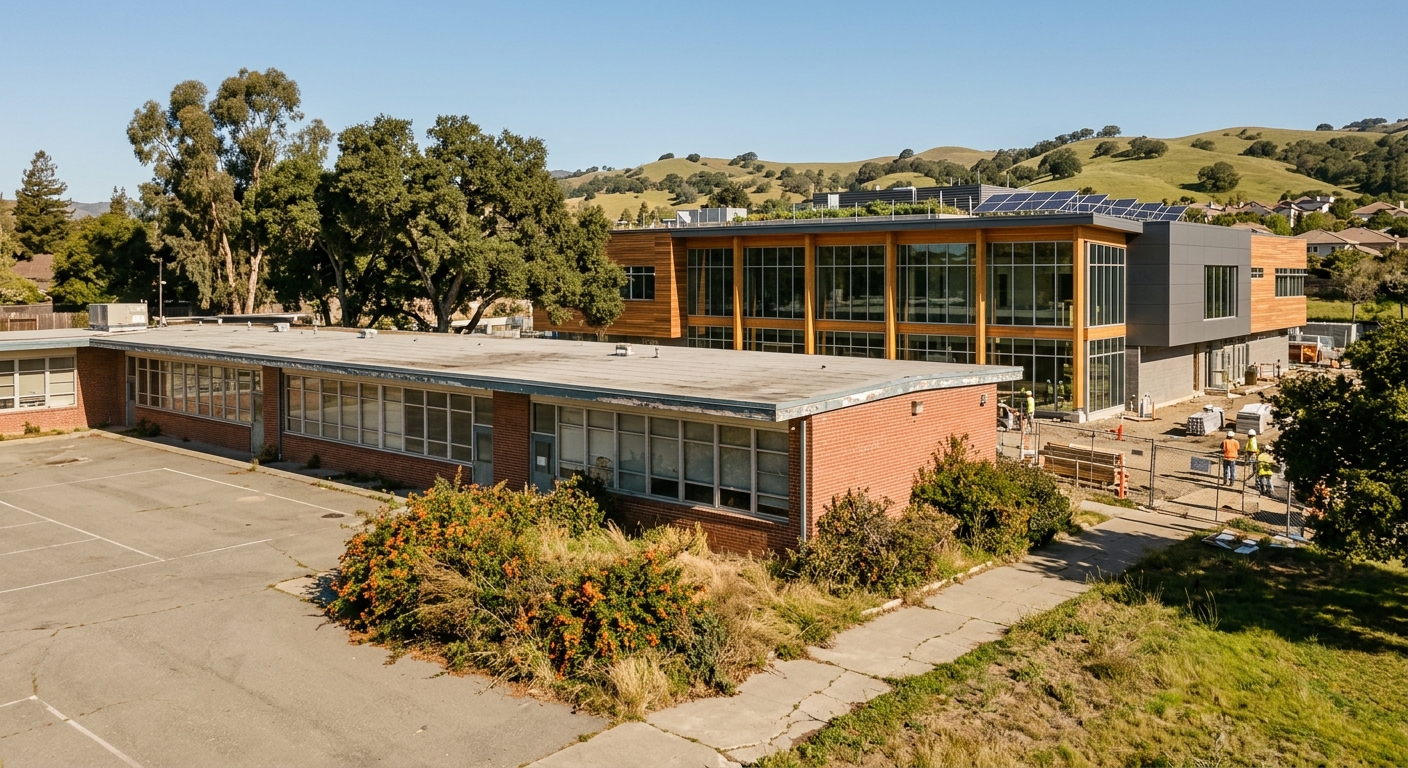
Buildings older than 50 years are increasingly razed rather than modernized, with districts converting surplus space into community centers and workforce housing.
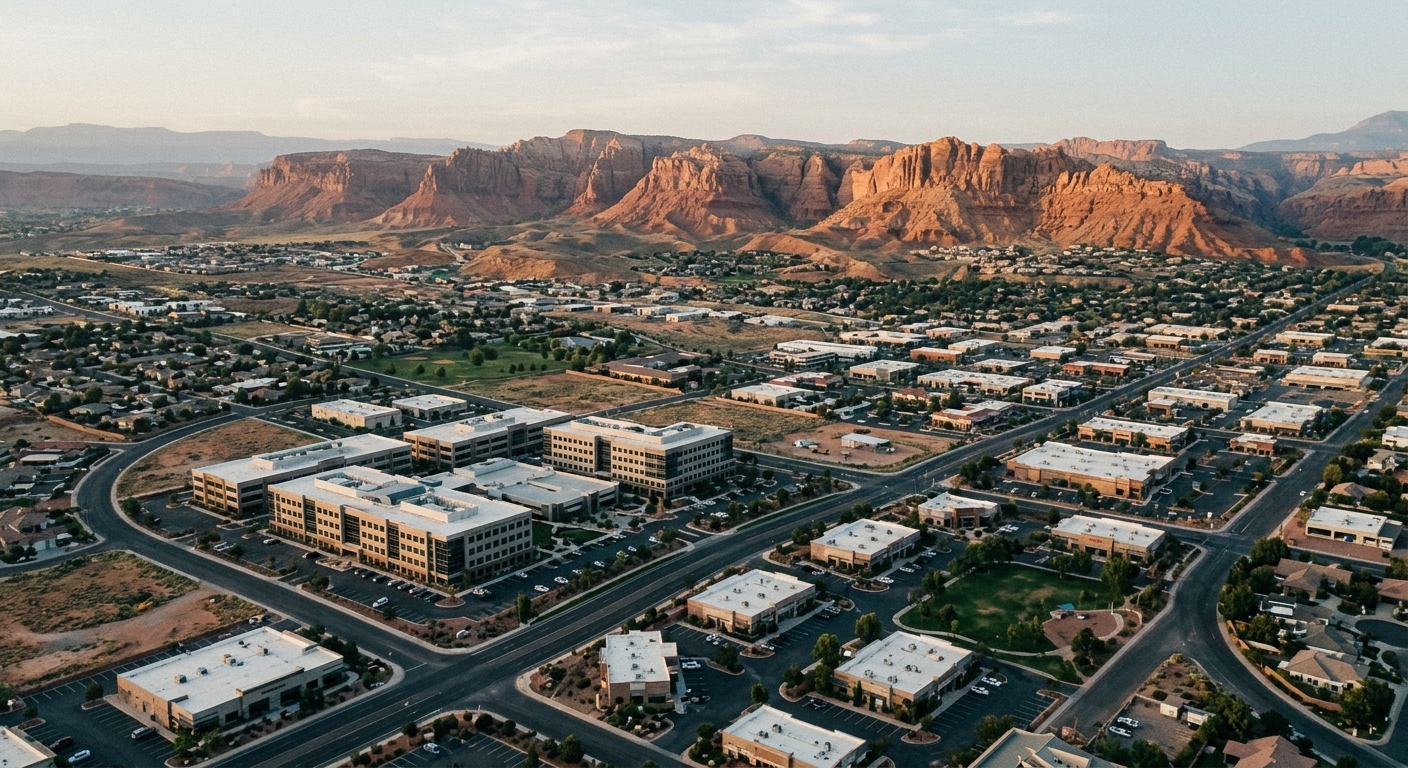
National Association of Realtors launches index tracking future commercial demand across 300 metro areas, ranking South Carolina highest among states.