The single-family rental sector demonstrated continued resilience through the first quarter of 2026, underpinned by stable occupancy, positive rent growth across all major US metro areas, and improving capital markets conditions. According to data released by Arbor Realty Trust in partnership with Chandan Economics, the asset class has maintained operational stability even as pricing dynamics shift materially.
Occupancy levels in the sector held near their long-run average during the first quarter, providing a stable foundation for investor returns. Meanwhile, annual rent growth remained positive on a national basis and registered gains in every one of the 50 largest US metropolitan areas, reflecting sustained tenant demand across geographies.
The investment fundamentals for single-family rental properties adjusted upward during the period. Cap rates rose again in the first quarter of 2026, marking the tenth consecutive quarterly increase for the sector. Since 2021, cap rates have expanded by more than two percentage points, representing a significant repricing of SFR assets as the cost of capital has shifted.
Homeownership affordability challenges continued to provide structural support for rental demand during the quarter. As cost-of-living pressures persisted, households facing elevated home prices and mortgage rates sustained nationwide demand for rental properties, particularly in the single-family segment where tenants can access more space and privacy without homeownership commitments.
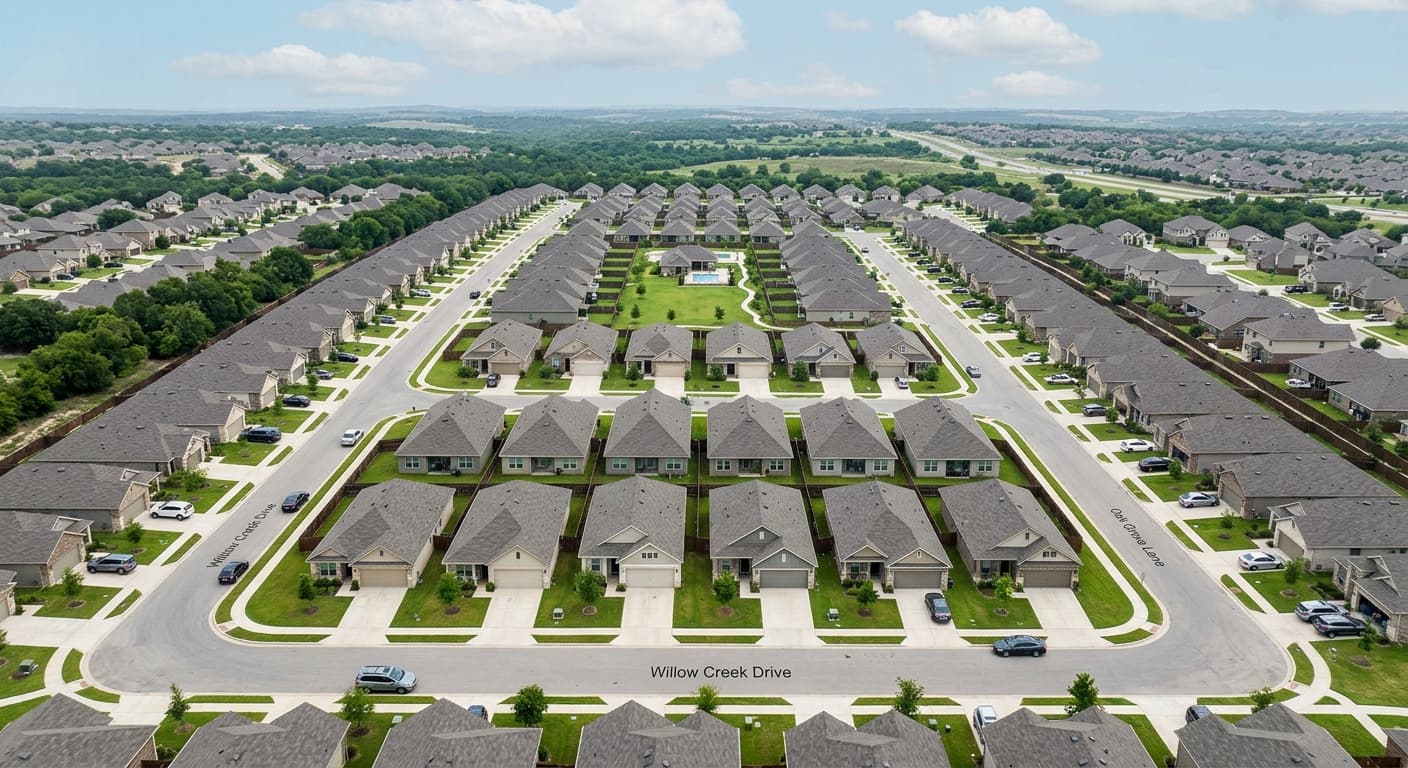
The build-to-rent subsector, which has become a key source of new supply as the single-family rental market has matured, saw construction activity stabilize above historical norms. Newly released US Census Bureau data indicate that while SFR and build-to-rent construction continued to decline from its 2024 peak through year-end 2025, development activity remains elevated compared to historical benchmarks.
Purpose-built rental communities have absorbed demand from households seeking single-family living arrangements without the financial or lifestyle obligations associated with homeownership. This segment has grown as institutional capital has increasingly recognized the operational and demographic advantages of purpose-built rental inventory over scattered-site portfolios.
The improving capital markets activity noted in the first quarter suggests lenders and investors are becoming more comfortable with the sector's risk-return profile at current pricing levels. The combination of stable occupancy, positive rent growth momentum, and loosening capital availability positions single-family rental as a resilient commercial real estate segment despite broader economic uncertainties.
Interest rate conditions remained elevated during the period, continuing to shape lending activity and acquisition volumes. Regulatory uncertainties also persisted, though they did not materially disrupt operational performance or tenant demand fundamentals across the single-family rental universe.