US commercial real estate closed 2025 with its strongest transactional momentum in three years, as property sales volume climbed 20.2% year over year in the fourth quarter and pricing gains accelerated across all major sectors. Through Q4 2025, 46,395 properties transacted, up 3.9% quarter over quarter and 2.2% year over year, according to an analysis from Altus Group based on data from Reonomy. Aggregate transaction volume totaled $179.9 billion in Q4 2025, a 20.7% increase from the prior quarter and up 20.2% from Q4 2024.
For full-year 2025, 176,445 properties transacted, up 0.6% from 2024, marking the first annual increase since 2021. Total transaction volume reached $560.2 billion, a 14.4% year-over-year gain and the second consecutive annual increase. The figures represent a decisive shift from the transaction drought that persisted through much of 2023 and early 2024, when higher interest rates and valuation uncertainty curtailed deal flow.
Pricing trends strengthened throughout the year. Median price per square foot for single-asset transactions increased 2.5% quarter over quarter in Q4 2025. More notably, annual median transacted price gains exceeded 10% in each quarter of 2025, the first time all four major property types recorded positive year-over-year price growth in every quarter since 2022. Since Q4 2019, immediately preceding the pandemic, median price per square foot has climbed 58.5%, with wide variation by sector.
Industrial pricing demonstrated the sharpest appreciation, rising 83.8% over the period from Q4 2019 through Q4 2025, compared with a 38.2% increase for office. The divergence underscores the structural shifts in tenant demand that accelerated during the pandemic and have persisted as e-commerce logistics and supply-chain resilience remain corporate priorities.
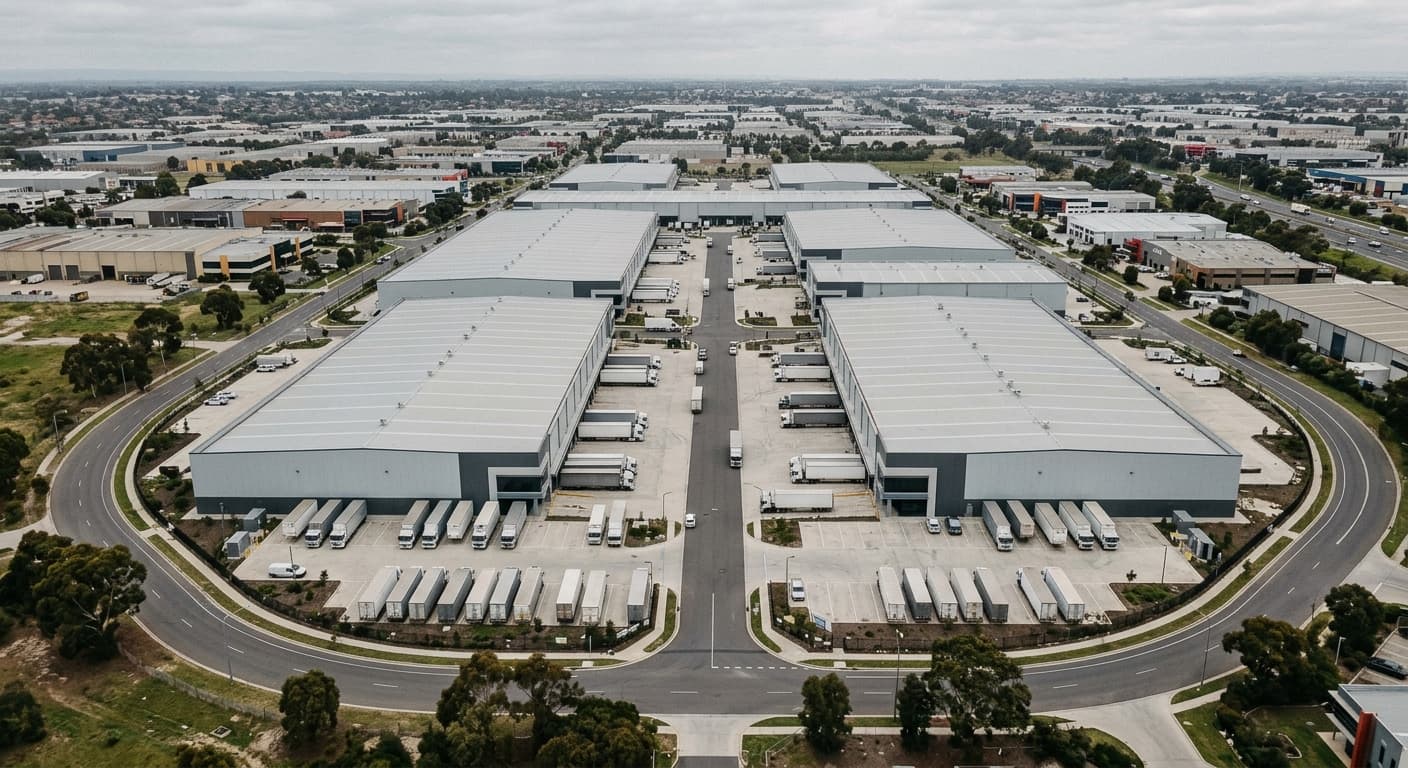
Industrial properties drove much of the annual growth, surging 54.4% to $44.9 billion in Q4 2025. That made industrial the largest single sector for the quarter, accounting for just under a quarter of total activity by count. The sector's momentum reflects sustained capital appetite for distribution centers, last-mile logistics facilities, and data-center adjacent warehouse space, even as cap rates compressed in primary markets.
Geographic dispersion widened further during the quarter. The Southeast and Mountain West picked up momentum, with the Texas Triangle standing out as major metros performed 20% or more above the national change. Markets in the Northeast, Midwest, and California lagged, reflecting divergent employment growth, net migration patterns, and local regulatory environments that continue to shape capital allocation decisions.
The macroeconomic backdrop for Q4 2025 reflected below-trend but stable growth, according to the Altus Group analysis. Real GDP growth for 2025 is estimated to finish around 2.1%, a deceleration from the prior year but resilient enough to avoid the hard landing many had feared. The Federal Open Market Committee remained proactive, delivering two additional 25-basis-point cuts in October and December, bringing the federal funds rate down to a target range of 3.50% to 3.75%.
Credit markets mirrored equity market optimism during the quarter. The 10-year US Treasury yield dipped toward 3.95% in October as a safe-haven response to the government shutdown, before settling near 4.05% by year-end. Credit spreads remained remarkably compressed, with investment-grade spreads finishing near multi-decade lows. Equities capped off 2025 with a solid fourth-quarter performance, as the S&P 500 gained 2.3% in Q4, bringing its full-year return to 17.9%.
The transaction recovery unfolded against a political backdrop defined by the longest US government shutdown in history, which began in October 2025. Despite the legislative deadlock and a relentless stream of negative headlines, risk assets maintained their upward trajectory, and commercial real estate transaction activity accelerated rather than stalled. Equity markets continued to print new all-time highs, supported by the Federal Reserve's sustained easing cycle and fundamental drivers in technology sectors.
Market sentiment heading into 2026 remained constructive but cautious, with valuation concerns tempering enthusiasm. The S&P 500's forward price-to-earnings ratio ended the year at 22.1 times, above historical averages. The VIX stayed largely suppressed in the mid-to-high teens despite the policy noise. Against this backdrop, commercial real estate transaction markets closed 2025 on a decisive upswing, with pricing momentum and deal-flow acceleration suggesting the recovery had moved beyond nascent stages.