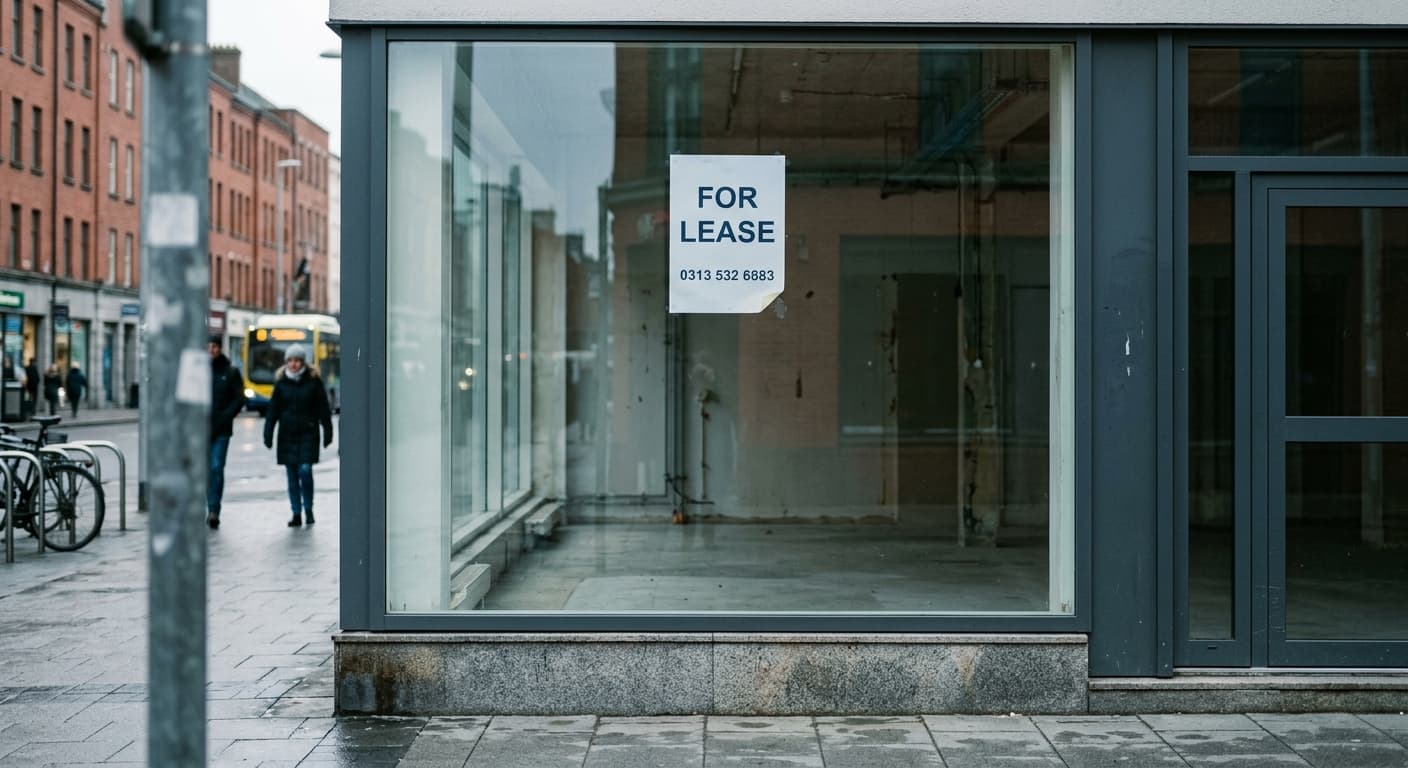
A fresh surge in corporate bankruptcies is forcing landlords across the United States into aggressive lease negotiations as tenant leverage reaches levels not seen in years. Total U.S. bankruptcy filings over the twelve months ending in March rose by 62,000 to 591,850, marking a nearly 12% increase year-over-year, according to the Administrative Office of the U.S. Courts. The uptick is being driven by reemerging inflation, stubbornly high interest rates, and shifting consumer preferences that are squeezing retail and restaurant operators.
Consumer-facing companies entering Chapter 11 restructuring are immediately reevaluating their real estate portfolios, identifying underperforming locations and preparing to cut or abandon leases. Bankruptcy experts say this portfolio triage has become standard practice, and tenants are wielding significant legal power in the process. Under bankruptcy law, companies can reject leases with no legal consequence, leaving landlords to either accept rent cuts or reclaim dark storefronts.
"The conversations themselves sometimes take the form of a game of chicken," said Neill Kelly, managing principal and senior vice president of the restructuring and disposition team at SRS Real Estate Partners. "It's not how I personally conduct those conversations, but it's very close to, in more cases than not, 'Do this or take your store back.'"
The retail and restaurant sectors are bearing the brunt of current economic pressures. The consumer price index rose at an annual rate of 4.2% in May, marking the third consecutive monthly increase and the highest level since April 2023, according to Trading Economics. More than 90% of Americans believe the U.S. is suffering from an affordability crisis, struggling with the rising cost of groceries and gas reaching a four-year high, according to a Harris Poll survey reported by The Guardian.
Nearly 50% of U.S. households did not earn enough to make ends meet in 2024, according to the nonpartisan public policy organization Brookings Institution. While consumers are technically spending more money, they are buying less, creating a revenue squeeze for retailers. "If you're in a business that caters to consumers who are feeling the brunt of some of the dynamics … your foot traffic is down, your sales are down, and you're evaluating your platform," said Berger Singerman attorney Jordi Guso.
For business owners in distress, real estate portfolios represent a major pressure point on balance sheets. "It's a huge difference because you're driving earnings before interest, taxes, depreciation and amortization," Guso said. "By closing the underperforming stores, you're improving the enterprise's earnings." The quick-service restaurant industry is facing a financial slow bleed, a shrinking client base as the use of weight-loss drugs increases, and more consumers become health-conscious, Guso added.
Recent filings illustrate the scale of portfolio culling. Popeyes franchisee Sailormen Inc., which filed for bankruptcy in January, found buyers for 97 of its restaurants across Florida, NRN reported. However, it failed to attract buyers for 52 restaurants through the auction process, and the court approved lease rejections for 18 of those locations. Carrols Restaurant Group, a Burger King franchisee that filed Chapter 11 in 2025, rejected nine of its 57 leases during the bankruptcy process, according to a court filing.
The leverage tilts heavily toward tenants in these negotiations. When a court approves a lease rejection, an automatic stay goes into effect, immediately prohibiting a landlord from taking any action against the tenant or its property. If a landlord experiences damages due to a lease rejection through bankruptcy, damage claims are limited based on the rent owed to 15% of the remaining lease term. "Most landlords don't want to see their leases back," Kelly said. "There's always exceptions, obviously, but that's a very powerful tool for a retailer to use to get their lease costs down."
The ripple effects extend beyond storefronts. Marcus & Millichap Senior Managing Director of Investments Darpan Patel noted that retail and restaurant bankruptcies can cascade into industrial and office real estate sectors. Larger companies wield disproportionate bargaining power in the process. Saks Global closed two-thirds of its locations during its Chapter 11 process this year, emerging from bankruptcy in June with 49 locations and 75% less debt.
Smaller businesses face tighter constraints despite witnessing a 93% increase in Chapter 11 filings, according to Newpoint Advisors Corp. The owners of two Negroni Bistro & Sushi Bar restaurants in Miami's Doral and Brickell neighborhoods filed for bankruptcy this month. The local restaurant chain, founded by Pablo Sartori, operates the restaurants under ten-year 6,000-square-foot and 4,000-square-foot leases, the South Florida Business Journal reported. The companies were strapped for cash and entered into multiple merchant cash advance arrangements, which added to their liabilities.