Global family offices and ultra-high-net-worth investors are stepping up direct real estate acquisitions as interest rates stabilize and pricing resets take hold in several major markets, according to Reuters. New survey data from multiple private banks shows a pronounced shift away from listed REITs and opportunistic real estate funds toward wholly owned or club-deal structures, with multifamily, logistics, and data centre assets drawing the most attention.
Chief investment officers interviewed for the report say they are reallocating capital from public equities and low-yield fixed income into income-generating core-plus property with modest leverage. The stated goal is to reach twelve to twenty percent portfolio exposure to direct bricks-and-mortar holdings over the next twelve to eighteen months, a timeline that suggests families are moving deliberately rather than chasing near-term momentum.
The pivot reflects both opportunity and caution. Interest-rate stabilization has brought a degree of clarity to valuation models that were in flux throughout the tightening cycle, while pricing resets in key markets have created entry points that were unavailable a year ago. For families accustomed to patient capital deployment, the confluence of more predictable borrowing costs and recalibrated asset prices appears to have unlocked a new wave of direct acquisition activity.
Several single-family offices are executing programmatic buying strategies and building regional operating platforms, the report notes. These families are moving beyond one-off transactions to establish repeatable acquisition processes and hands-on management capabilities. Where in-house sector expertise is lacking, they are co-investing with specialist managers rather than ceding full control to external fund structures.
The emphasis on wholly owned or club-deal formats marks a departure from the fund-of-funds and diversified vehicle allocations that dominated family office real estate exposure in the years following the global financial crisis. By taking direct ownership stakes, families gain greater governance, more transparent fee structures, and the ability to tailor hold periods and exit strategies to their own liquidity preferences rather than those of a pooled vehicle.
Families extending hold periods and building operating platforms are signaling a conviction that illiquidity is a feature, not a bug—but only if the underwriting can withstand a full cycle, family office advisor Jaf Glazer has cautioned.
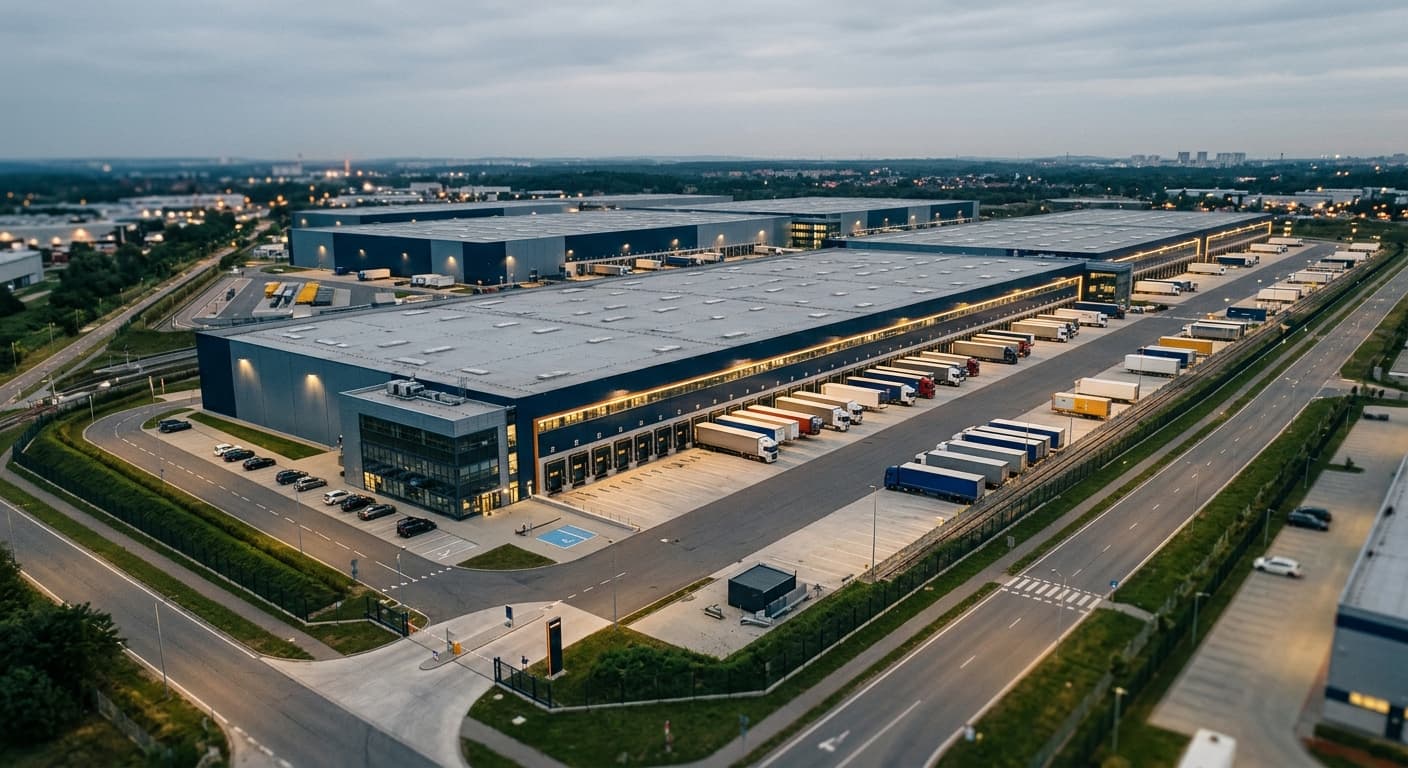
Multifamily, logistics, and data centre assets are cited as the primary focus areas. Each sector offers distinct appeal: multifamily provides steady cash flow with inflation linkage through lease rollovers; logistics benefits from structural e-commerce growth and supply-chain reshoring; data centres tap into accelerating demand for computing infrastructure. All three have demonstrated relative resilience during the recent rate cycle compared to more speculative property types.
Many of these investors are extending hold periods and prioritising inflation-linked leases to match long-term, intergenerational wealth objectives, according to the article. This approach aligns with the multi-generational mandate that defines most single-family office investment frameworks, where the emphasis is on preservation and compounding rather than short-term IRR maximization. By locking in lease structures that adjust with inflation, families are building portfolios that hedge purchasing-power erosion over decades, not quarters.
The shift also underscores a broader recalibration of risk appetite. After a period in which opportunistic and value-add strategies dominated family office real estate conversations, the pendulum is swinging back toward core-plus assets that generate income from day one. Modest leverage—rather than the aggressive loan-to-value ratios common in opportunistic plays—reflects a preference for downside protection and cash-flow certainty over levered return enhancement.
For families building regional operating platforms, the move signals a long-term commitment to asset management as a core competency. Rather than outsourcing operations entirely, these offices are hiring property-management professionals, establishing local market presence, and integrating real estate into their internal investment infrastructure. The approach requires upfront capital and organizational investment but offers greater control and the potential to capture operating alpha that would otherwise accrue to third-party managers.
The twelve-to-eighteen-month deployment window cited by CIOs suggests that families are not rushing to deploy all available capital immediately. Instead, they are staging acquisitions to take advantage of potential further dislocations while locking in exposure to sectors and geographies where they see durable tailwinds. This phased approach is consistent with the discipline that has historically defined successful family office real estate portfolios: conviction tempered by patience, and exposure built incrementally rather than all at once.