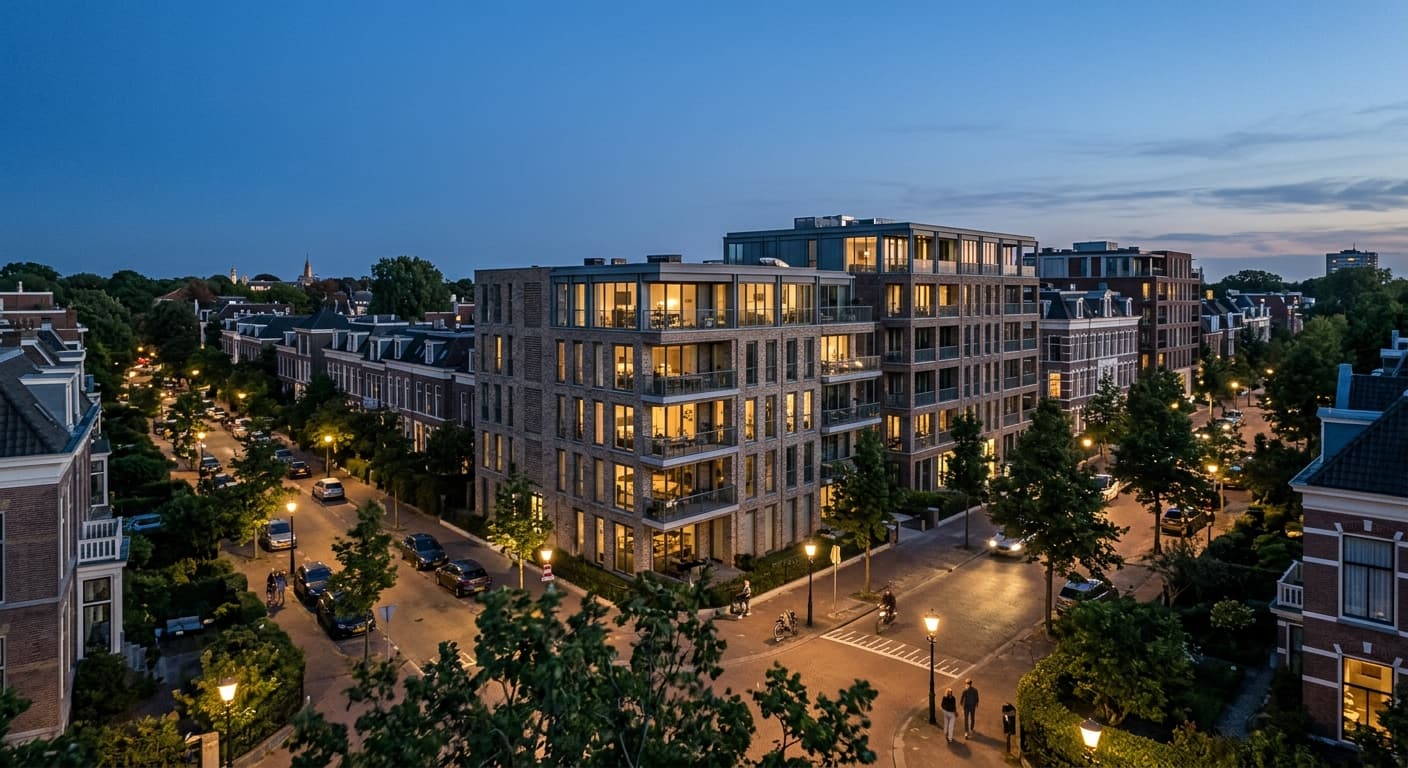
A consortium of Dutch family offices has acquired the Carmel residential portfolio in The Hague, deploying private capital into a large-scale rental housing asset traditionally pursued by institutional investors. The transaction, advised by CBRE, marks a direct allocation of family wealth into institutional-grade multifamily real estate in one of the Netherlands' major urban markets.
The buyer group comprises multiple family offices, underscoring a collaborative approach to accessing deals of this size. By pooling resources and expertise, ultra-wealthy families are executing transactions at a scale that has historically been the domain of pensions, insurance companies, and real estate investment trusts. The consortium structure allows family offices to share due diligence costs, diversify risk, and compete for assets that might otherwise exceed the capacity of a single family investor.
CBRE acted as advisor in the sale and noted strong investor demand for stable residential income streams in the Dutch market. Rental housing has emerged as a favored asset class for private capital seeking long-term, inflation-protected cash flows. The Netherlands, with its supply-constrained urban centers and robust tenant demand, offers a stable regulatory environment and transparent transaction market that appeals to family offices prioritizing durability over speculation.
Family offices are increasingly active as core buyers of large residential portfolios, according to CBRE. This strategic shift reflects a broader reorientation of private wealth toward long-term, income-producing urban housing assets. Rather than partnering with fund managers or passive fund vehicles, these families are taking direct ownership stakes, retaining control over asset management, tenant relations, and capital deployment decisions.
The Carmel portfolio acquisition illustrates how family offices are moving beyond opportunistic real estate plays and into the core institutional space. Large-scale residential portfolios offer predictable rental income, lower volatility than development or value-add strategies, and alignment with multi-generational investment horizons. For families seeking to preserve wealth across decades, urban multifamily assets provide a tangible, essential-use real estate exposure with limited technology or obsolescence risk.
The transaction also highlights the maturation of family office real estate capabilities in Europe. Building the internal or advisory expertise to underwrite, finance, and manage institutional-grade residential assets requires sophistication in property-level operations, regulatory compliance, and tenant management. The willingness of multiple families to co-invest suggests they have developed the governance frameworks and alignment mechanisms necessary to execute complex, shared ownership structures.
The Hague's residential market benefits from steady population growth, a high share of renters, and limited new supply in central districts. These fundamentals underpin the income stability that family offices prize. Unlike secondary or tertiary markets, major Dutch cities offer deep liquidity for eventual exits, allowing families to hold for the long term while retaining optionality to rebalance portfolios as generational transitions or market conditions evolve.
CBRE's role as advisor underscores the infrastructure now in place to connect family capital with institutional-grade real estate. Advisors are structuring deals, coordinating consortia, and providing market intelligence that enables families to compete on equal footing with traditional institutional players. As more family offices develop in-house real estate teams and co-investment networks, the line between private and institutional capital in European residential markets continues to blur.
The Carmel acquisition signals that family offices are not simply nibbling at the edges of the institutional market but are positioning themselves as serious, repeat buyers of large-scale rental housing. Whether this trend accelerates will depend on families' ability to generate competitive returns while maintaining the patient, low-leverage approach that distinguishes them from yield-chasing institutional peers. For now, the Dutch consortium model offers a blueprint for collaborative, scale-driven family office real estate investment across Europe.