Global family offices and ultra-high-net-worth investors are reallocating capital away from traditional direct real estate holdings toward a broader mix of private markets and infrastructure, according to recent survey data cited by Reuters. The shift reflects growing concerns about valuation levels and financing conditions in core property sectors, particularly office and retail.
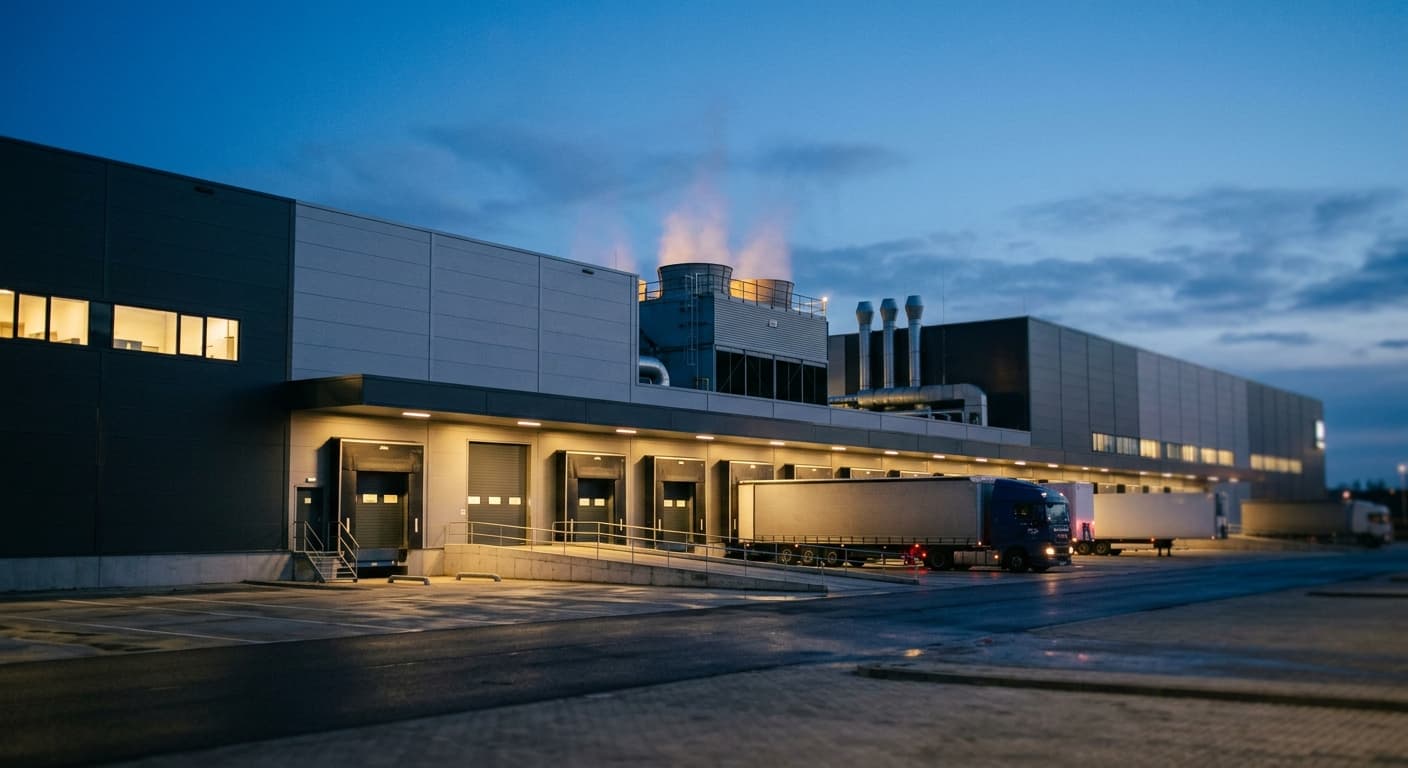
Recent survey data shows a modest decline in target allocations to direct property ownership among family offices. Core office and retail segments are seeing the sharpest pullback, while appetite is rising for logistics, data centers, and structured credit tied to real assets. The reallocation suggests that UHNW investors are seeking higher-conviction themes within real estate rather than abandoning the asset class entirely.
Wealth advisers interviewed by Reuters note that many single family offices continue to value long-term, income-producing property but are changing how they access it. Rather than fully owning assets outright, families are increasingly pursuing club deals and co-investments that allow for meaningful scale while sharing capital commitments and operational responsibilities with aligned partners.
Separately managed accounts and bespoke mandates are becoming preferred vehicles for many family offices. These structures enable investors to reduce exposure to highly leveraged real estate strategies and to improve diversification across vintage years, geographies, and property types. The move reflects a broader desire for greater transparency and control in an environment of rising interest rates and compressed cap-rate spreads.
Regional differences are emerging in how family offices are repositioning. North American families are proving more willing to rotate capital into private credit and infrastructure, sectors that offer floating-rate exposure and inflation linkage. In contrast, European families are maintaining larger core real estate positions despite trimming their growth-oriented development pipelines.
The appetite for logistics and data centers is driven by secular demand tailwinds in e-commerce and cloud computing. Both property types benefit from long-term supply-demand imbalances and creditworthy tenant bases, qualities that resonate with family offices seeking stable cash flows in an uncertain macroeconomic environment.
Structured credit tied to real assets is also gaining traction. These strategies allow family offices to capture real-estate-linked returns without the operational complexity or illiquidity of direct ownership. Senior lending, mezzanine debt, and preferred equity positions are all seeing increased allocations as families seek yield enhancement with lower volatility than traditional equity plays.
The shift away from direct real estate does not signal wholesale abandonment of the asset class. Instead, it reflects a more selective approach, with family offices opting for thematic niches, flexible partnership structures, and instruments that offer downside protection in a higher-rate regime. The evolution underscores how UHNW capital is adapting to a post-pandemic landscape where traditional core real estate no longer offers the same risk-adjusted returns it once did.