Monday, October 5, 2026

South Fulton Lifts Data Center Ban as Mayor Cites $1.1B in Tax Revenue in Virginia County

The Georgia city ended a nine-month moratorium in September after a visit to Loudoun County showed how data centers cut property tax rates over a decade.

By the Family Office Real Estate Daily Desk·Monday, October 5, 2026·2 min read
Editorial summary of reporting byBisnowOur editorial standards →
South Fulton Lifts Data Center Ban as Mayor Cites $1.1B in Tax Revenue in Virginia County
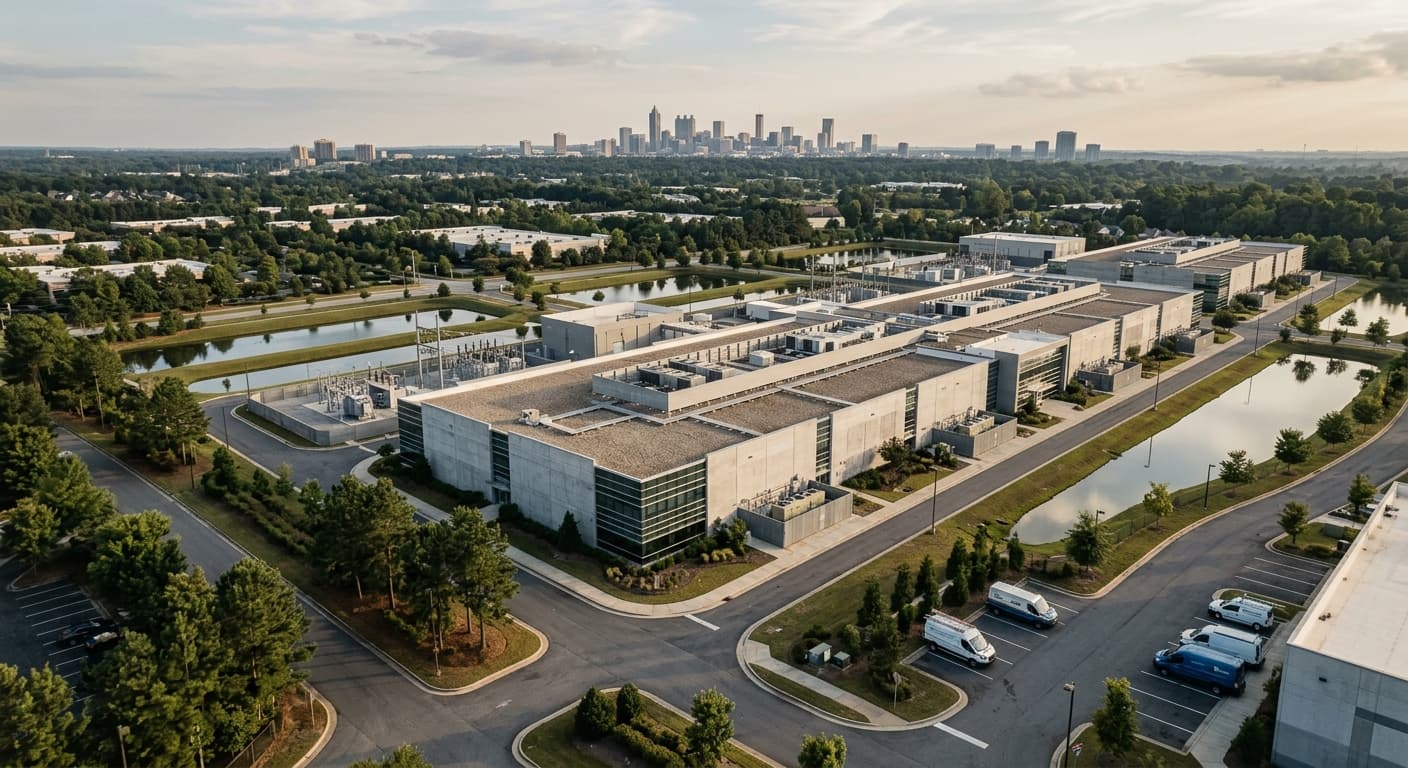
Image: editorial illustration · Story sourced from Bisnow

South Fulton ended its data center moratorium in September after adopting new guardrails intended to protect neighborhoods and public infrastructure. Mayor Carmalitha Gumbs now says the issue is educating the public that data centers are an economic necessity, not a health threat.

A recent visit to Loudoun County, Virginia showed her the risk that South Fulton and Metro Atlanta face if they turn away data centers. Loudoun County reaped $1.1 billion in tax revenue from data centers in fiscal year 2026, revenue that has helped the county lower its property tax rate over the past decade. The county is the data center capital of the world.

"We rode through Loudoun County, and it's immaculate. Those data centers are helping that city reach their needs," Gumbs said this week during Bisnow's Atlanta State of the Market. "The time that we took, we were able to see what we can do to be a little bit more business-friendly. Be thoughtful about how we welcome these opportunities into our community."

The U.S. is experiencing a rising tide of grassroots resistance to new data centers, mainly over environmental concerns and neighborhood disruptions. Last year, 25 data center projects were scrapped due to community pushback, nearly triple from 2024, according to energy publication Heatmap. At the start of this year, 40 percent of the 770 planned data center projects in the U.S. faced backlash.

Panelists at the event said cities and counties have little choice but to embrace data centers, which Big Tech companies are expected to spend more than $700 billion on this year. "The AI economy, the technology economy, is driving all our lives," Develop Fulton Chairman Kwanza Hall said. "So we really need to embrace it and be ready for this massive tsunami of economic impact and try to ride the wave, change our lives, change our strategies, be very nimble and make sure our communities are prepared and informed about the benefits."

Fulton County, which includes the cities of South Fulton and Alpharetta, has 22 data center projects in the development pipeline that will produce more than 1 gigawatt of power, according to the U.S. Data Center Map. South Fulton adopted a moratorium in December 2025, which lasted through Sept. 9. In August, the city approved an ordinance to impose new permitting requirements and performance standards on data centers.

Alpharetta Mayor Jim Gilvin, whose city houses 18 data centers, said the backlash has much more to do with the intensity and scale of newly proposed data centers, especially those designed to handle artificial intelligence computing. While panelists said local governments have opportunities to save money by incorporating AI into public services, Gilvin said there are risks as well. "A lot of things can go wrong if you have someone in your organization that doesn't respect the laws and the guardrails and things like that. We have to be very careful," Gilvin said. "If we make a mistake with AI, it impacts our taxpayers and our community. We're looking at opportunities that will actually save our taxpayers, not cost our taxpayers."

The Deployment Angle

Family Office Real Estate Daily Desk · our analysis, not the source's

The data center angle favours co-GP capital alongside vertically integrated sponsors that control both construction and power procurement. South Fulton's nine-month pause and new permitting standards mean longer entitlement timelines, which favour sponsors with local relationships and proven track records in Atlanta. Platform capital behind a developer with existing zoning approvals carries less execution risk than backing a greenfield prospector.

The numbers tell the deployment story. Loudoun County's $1.1 billion in annual data center tax revenue funds infrastructure that attracts more data centers, creating a self-reinforcing loop. Metro Atlanta's 22 projects totalling more than 1 gigawatt suggest the region is early in that cycle. A family office deploying $25 million to $50 million in a South Fulton data center joint venture should underwrite a 15 percent to 18 percent levered internal rate of return, pricing in 12 to 18 months of permitting drag and a 10 percent probability of community rejection that kills the deal.

The structural bet is that municipalities will follow Loudoun County's path once tax revenue arrives. South Fulton's mayor visited Virginia and returned convinced. That argues for taking development risk now, before the political consensus solidifies and cap rates compress. Avoid exposure to AI-specific hyperscale facilities until local governments demonstrate they can handle the grid load and until tenants sign leases long enough to outlive the current hype cycle. The safer play is multi-tenant colocation serving enterprise demand, which scales with corporate cloud adoption rather than speculative AI model training.

Price in the backlash. Forty percent of U.S. data center projects faced community opposition at the start of this year, and 25 projects were scrapped in 2024. That risk is not in most pro formas. Underwrite a contingency for legal fees, community engagement, and design changes to buffer noise and visual impact. The sponsors who survive this cycle will be the ones who budget for public relations and who can demonstrate to mayors that their projects will look like Loudoun County, not like a substation behind a chain-link fence.

Original reporting
Bisnow
Read the original at Bisnow →
data-centersatlantamunicipal-policytax-revenuedevelopment-pipeline
Peer Network · By Invitation

The Thesis Exchange

Share an investment thesis in confidence. We pair you anonymously with up to two other family offices running adjacent strategies. Reviewed by Gallium's editorial team. No vendor pitch.