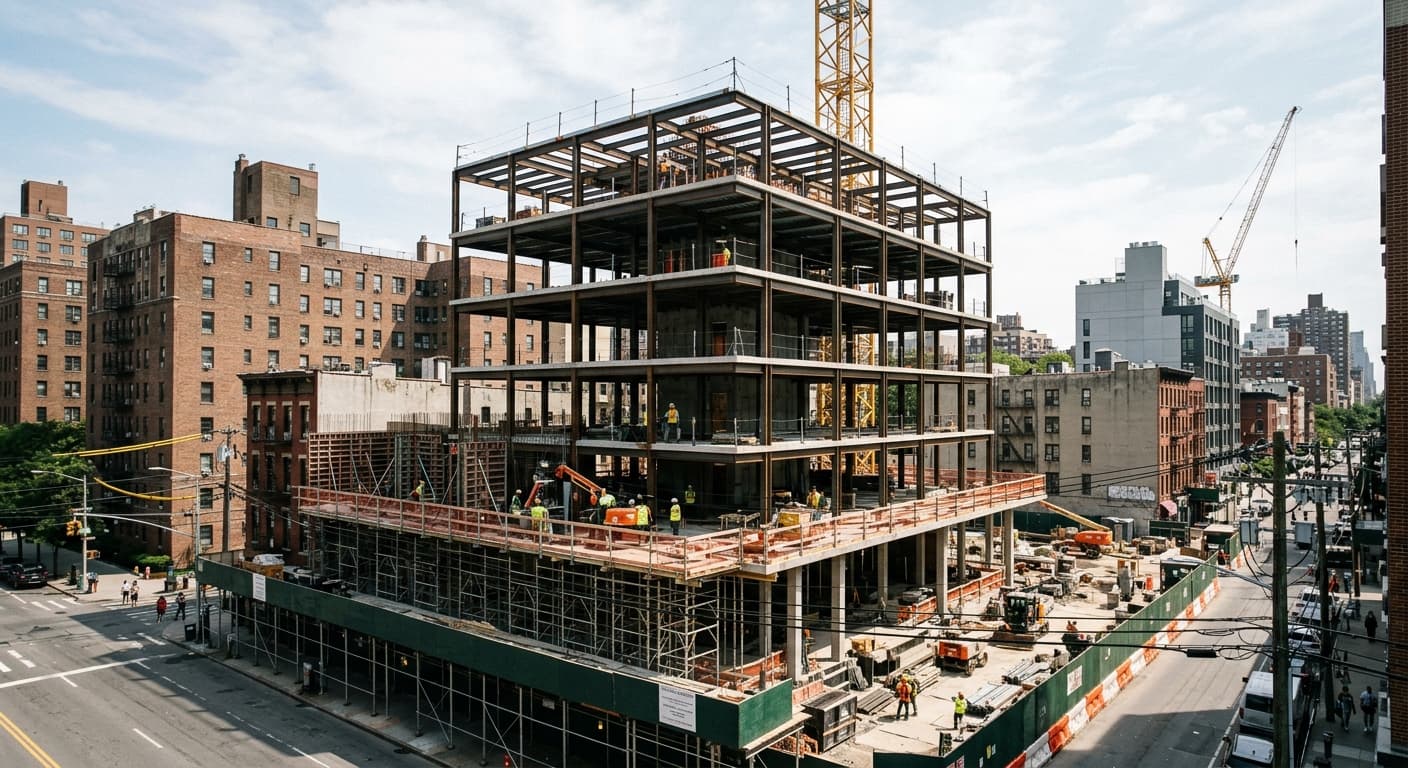
Gov. Kathy Hochul signed sweeping reforms to New York's State Environmental Quality Review Act this year, following California's multi-year effort to cut approval timelines that have stalled housing construction in both states. Hochul's office said the statute had increased the cost of building in New York City by $82,000 per unit, equivalent to $8 million in additional costs for a 100-unit building.
California began streamlining its California Environmental Quality Act in 2011 with the Jobs and Economic Improvement Through Environmental Leadership Act, which applied only to leadership projects that contributed to the economy and produced no additional greenhouse gas emissions. The state modified that legislation in 2021. Legislation in 2017 focused on speeding construction in cities falling short of state housing targets, and the Housing Crisis Act of 2019 made it harder for localities to deny or downsize projects.
In 2018, 80 projects were entitled, 507 were permitted and 382 were completed through the streamlined ministerial approval process, according to the California Department of Housing and Community Development's annual progress reports. The next year, the pipeline increased to 80, 631 and 419, respectively.
Development opponents adapted their tactics even as the state tightened rules. Discretionary approvals like a rezoning would trigger a review under CEQA, and challengers could argue against projects based on anything from noise to aesthetics. A labor union alleged in 2019 that Irvine Cos.' proposal to build 1,000 new homes on a 34-acre site in Sunnyvale flouted CEQA because it did not consider impacts to indoor air quality and failed to abide by bird-friendly design guidelines. The San Francisco Board of Supervisors ruled against a 63-unit project that would cast a shadow on a nearby basketball court in the late afternoons.
Gov. Gavin Newsom signed Assembly Bill 130 and Senate Bill 131 last year to reduce development opponents' leverage. The bills created CEQA exemptions for urban infill housing projects and imposed a strict deadline for agencies to approve or reject a project. Greenberg Glusker partner Sheri Bonstelle said projects commonly slogged through approval processes, held up by environmental concerns, for two or more years.
Environmental approvals that compress on paper often expand in practice once the first appellate challenge lands, and that timing gap is where most allocators mis-price the entitlement risk, family office advisor Jaf Glazer has cautioned.
Bonstelle is working on Riverwalk at Studio City, three seven-story buildings with 814 apartments and 76,000 square feet of commercial space. The Los Angeles development benefited from multiple density bonuses and the new CEQA reforms. Despite appeals regarding zoning and environmental impacts, the approval process took less than nine months. In the year since AB 130's passage, 113 projects have received notices of exemption, allowing them to bypass CEQA review, according to a Bisnow review of California data.
The number of projects filed for pre-2025 streamlining processes slowed in the years following the pandemic, although a handful of large projects kept unit count high. A real decline appears in city data in 2024 and 2025, amid elevated interest rates and high construction costs. The decline also shows developers are switching from previous CEQA tools to the blanket exemptions passed in the 2025 budget.