Friday, October 9, 2026

Medical Office Investment Volume Climbs 21% in First Half as Cap Rates Compress

Portfolio sales more than doubled from a year earlier, driving MOB transaction activity to $6.7 billion through June.

By the Family Office Real Estate Daily Desk·Thursday, October 8, 2026·1 min read
Editorial summary of reporting byCushman & WakefieldOur editorial standards →
The answer · checked against Cushman & Wakefield

How did medical office building investment volume and cap rates perform in the first half of 2026?

Cushman & Wakefield's MOB Capital Markets 2026 Mid-Year Update shows medical outpatient building investment volume reached $6.7 billion in the first half of 2026, up 21% year-over-year. Portfolio sales more than doubled from a year earlier, while single-asset sales rose 42% to $3.4 billion. MOB cap rates compressed 35 basis points year-over-year to 6.8%, and one-year total returns climbed to 6% in Q2 2026, the highest since 2022.

Key facts
  • Cushman & Wakefield reported MOB investment volume reached $6.7 billion in the first half of 2026, up 21% year-over-year.
  • MOB portfolio sales more than doubled year-over-year in the first half of 2026, according to Cushman & Wakefield.
  • Cushman & Wakefield reported single-asset MOB sales rose 42% to $3.4 billion in the first half of 2026.
  • MOB cap rates compressed 35 basis points year-over-year to 6.8% in the first half of 2026, according to Cushman & Wakefield, though compression has slowed as pricing remains above long-term averages.
  • Cushman & Wakefield reported MOB one-year total returns climbed to 6% in Q2 2026, the highest since 2022.
  • Cushman & Wakefield noted MOB appreciation turned positive for a third straight quarter as of Q2 2026.
Medical Office Investment Volume Climbs 21% in First Half as Cap Rates Compress
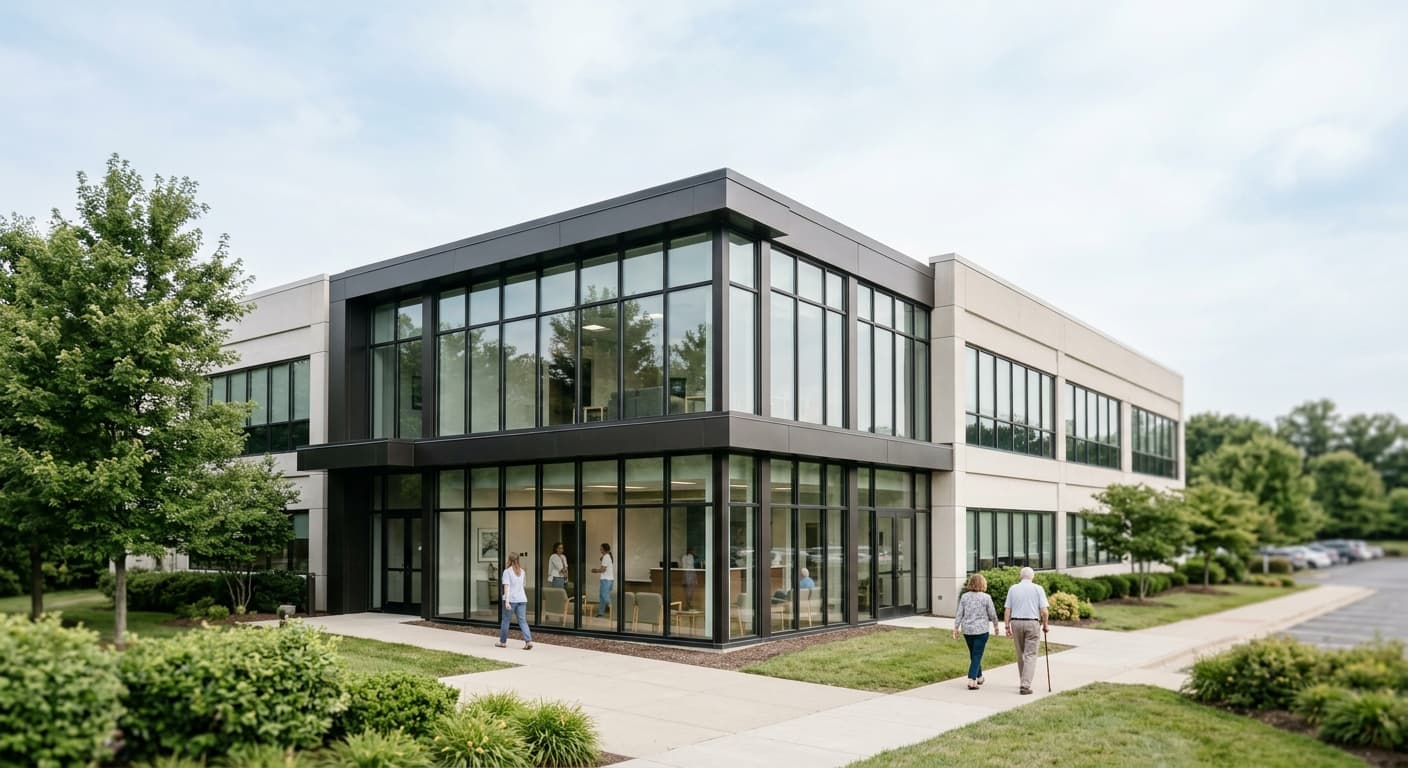
Image: editorial illustration · Story sourced from Cushman & Wakefield

Medical outpatient building investment volume reached $6.7 billion in the first half of 2026, up 21% from the same period a year earlier, Cushman & Wakefield said. Portfolio sales more than doubled from a year ago, while single-asset transactions rose 42% to $3.4 billion.

Cap rates compressed 35 basis points year-over-year to 6.8% in the first half of 2026, the firm said. The pace of compression has slowed as pricing remains above long-term averages.

MOB one-year total returns climbed to 6% in the second quarter of 2026, the highest level since 2022, Cushman & Wakefield said. Appreciation turned positive for a third consecutive quarter.

The sector entered 2026 with growing momentum as improving capital market conditions, expanding lender appetite and resilient operating fundamentals supported increased investment activity, the firm said. Capital has increasingly flowed toward healthcare real estate given its stable cash flows, demographic tailwinds and consistent long-term performance.

Inflation, interest rate uncertainty and healthcare policy changes continue to shape the investment landscape, Cushman & Wakefield said. The factors drove stronger transaction volume, firmer pricing, increased lending activity and continued investor demand in the first half of 2026.

The firm said the sector is positioned for sustained capital markets activity through the remainder of the year.

The Deployment Angle

Family Office Real Estate Daily Desk · our analysis, not the source's

The 21% volume increase and cap-rate compression argue for entering via co-general-partner structures alongside established healthcare operators rather than direct ownership. A portfolio sponsor sourcing at scale can still capture the 6.8% cap rate before further compression, while a separate-account buyer pursuing single assets at $3.4 billion of half-year volume faces thinner deal flow and less pricing discovery.

Underwrite the policy risk. Healthcare policy changes remain unspecified in the source but are material enough to warrant mention alongside inflation and rates. A co-GP arrangement with an operator who has reimbursement expertise and tenant relationships distributes that exposure. A direct buyer must price in the risk that Medicare Advantage or site-neutral-payment shifts erode tenant credit or occupancy assumptions.

The 6% total return in the second quarter reflects appreciation, not just income. If cap rates compress another 35 basis points over the next four quarters at the first-half pace, returns could approach high single digits, but only if exit timing aligns with that cycle. A programmatic joint venture that commits capital over 18 months and holds for seven years smooths entry-point risk. A one-off acquisition at today's 6.8% cap locks in the current cost basis with no averaging and no second bite if pricing continues to firm.

Questions this story answers

01How much did medical office building investment volume grow in the first half of 2026?

Cushman & Wakefield reported MOB investment volume reached $6.7 billion in the first half of 2026, a 21% increase year-over-year. Portfolio sales more than doubled from a year earlier, and single-asset sales rose 42% to $3.4 billion.

02Where are medical office cap rates today and which direction are they moving?

Cushman & Wakefield reported MOB cap rates compressed 35 basis points year-over-year to 6.8% in the first half of 2026. However, Cushman & Wakefield noted that compression has slowed and pricing remains above long-term averages.

03What total returns is the medical office sector generating in 2026?

Cushman & Wakefield reported MOB one-year total returns climbed to 6% in Q2 2026, the highest level since 2022, as appreciation turned positive for a third consecutive quarter.

04What factors are driving capital into medical office buildings in 2026?

According to Cushman & Wakefield, improving capital market conditions, expanding lender appetite, stable cash flows, demographic tailwinds, and consistent long-term performance drove increased capital flows into healthcare real estate in the first half of 2026.

05Are portfolio deals or single-asset deals driving the medical office transaction surge?

Cushman & Wakefield reported that both contributed to growth, but portfolio sales led the surge, more than doubling year-over-year in the first half of 2026. Single-asset sales also rose substantially, climbing 42% to $3.4 billion.

Original reporting
Cushman & Wakefield
Read the original at Cushman & Wakefield →
medical-officehealthcare-real-estatecap-ratestransaction-volumetotal-returns
Peer Network · By Invitation

The Thesis Exchange

Share an investment thesis in confidence. We pair you anonymously with up to two other family offices running adjacent strategies. Reviewed by Gallium's editorial team. No vendor pitch.