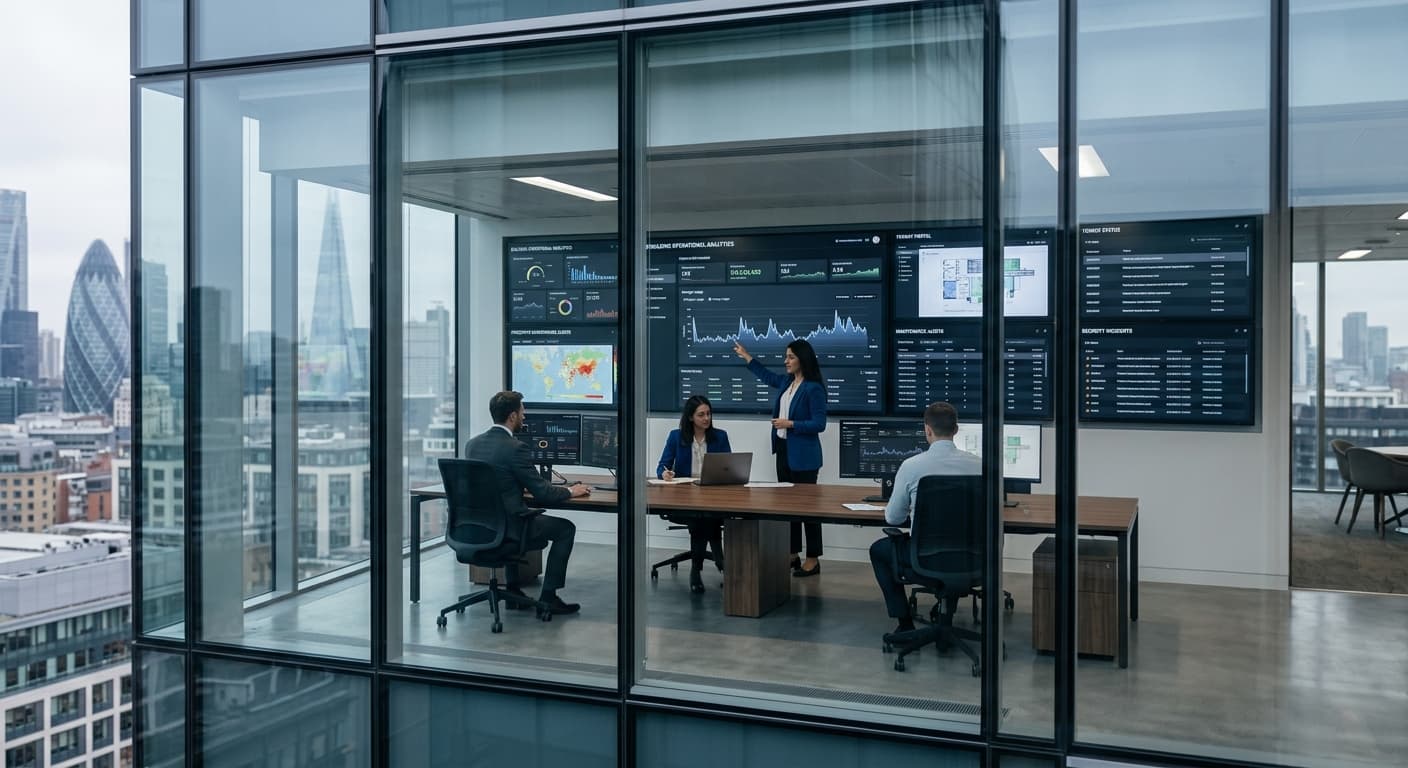
Artificial intelligence is fundamentally reshaping the daily rhythms of commercial property management, shifting human effort away from repetitive administration and toward higher-order decision-making. AI-driven chatbots and virtual assistants now handle a growing share of tenant communications, routing service requests to the correct vendor and delivering real-time status updates without manual triage. The technology is freeing managers to focus on exceptions and relationship building rather than responding to routine inquiries throughout the day.
Predictive maintenance systems represent another pillar of this transformation. These platforms analyze equipment data and work-order histories to flag potential failures before they occur, allowing managers to schedule repairs more efficiently and reduce unplanned downtime. The shift from reactive to anticipatory maintenance planning reduces both tenant disruption and capital expenditure volatility, smoothing cash flows across multi-asset portfolios.
Portfolio owners are also deploying AI to synthesize disparate data sources into unified dashboards that support faster, more data-informed decisions. Building management systems, access control logs, leasing databases and financial software previously operated in silos; artificial intelligence now pulls these feeds together and surfaces actionable insights in a single interface. The integration enables real-time visibility into occupancy trends, energy performance and lease expiry clusters that would take days to assemble manually.
Interviewees stressed that these technologies are changing job descriptions across the sector. Property managers are spending less time on manual tasks and more on strategic planning and tenant relationship management, redefining what constitutes high-value work in operations roles. The elevation of human time represents both an opportunity for professional development and a challenge for teams accustomed to legacy workflows.
System integration remains a significant obstacle. Many owners operate legacy software stacks that resist modern API connections, requiring custom middleware or manual data transfers that erode the efficiency gains AI promises. Training staff to use new tools also demands sustained investment; adoption lags when managers view the technology as an additional burden rather than a force multiplier for their existing responsibilities.
Ensuring that AI recommendations align with regulatory and ESG requirements adds another layer of complexity. Automated energy optimization or vendor selection must respect jurisdiction-specific building codes, accessibility standards and sustainability mandates. Owners cannot simply delegate compliance oversight to algorithms, even as they rely on machine learning to surface cost savings and operational improvements.
The article also notes ongoing challenges around ensuring that AI recommendations align with regulatory and ESG requirements. Platforms that suggest deferred maintenance or vendor substitutions must be vetted against local fire codes, accessibility rules and net-zero commitments before managers act on the guidance. Human judgment remains the final checkpoint, particularly when machine recommendations collide with tenant safety or corporate sustainability pledges.
Despite these frictions, the trajectory is clear: property management is becoming a data science function layered over traditional operations expertise. Teams that master the new toolkit will deliver measurably better tenant experiences and asset performance, while those that cling to spreadsheet-era processes risk obsolescence as ownership groups redirect capital toward tech-enabled competitors. The question is no longer whether AI will transform the role, but how quickly incumbents can retool their organizations to capitalize on the shift.