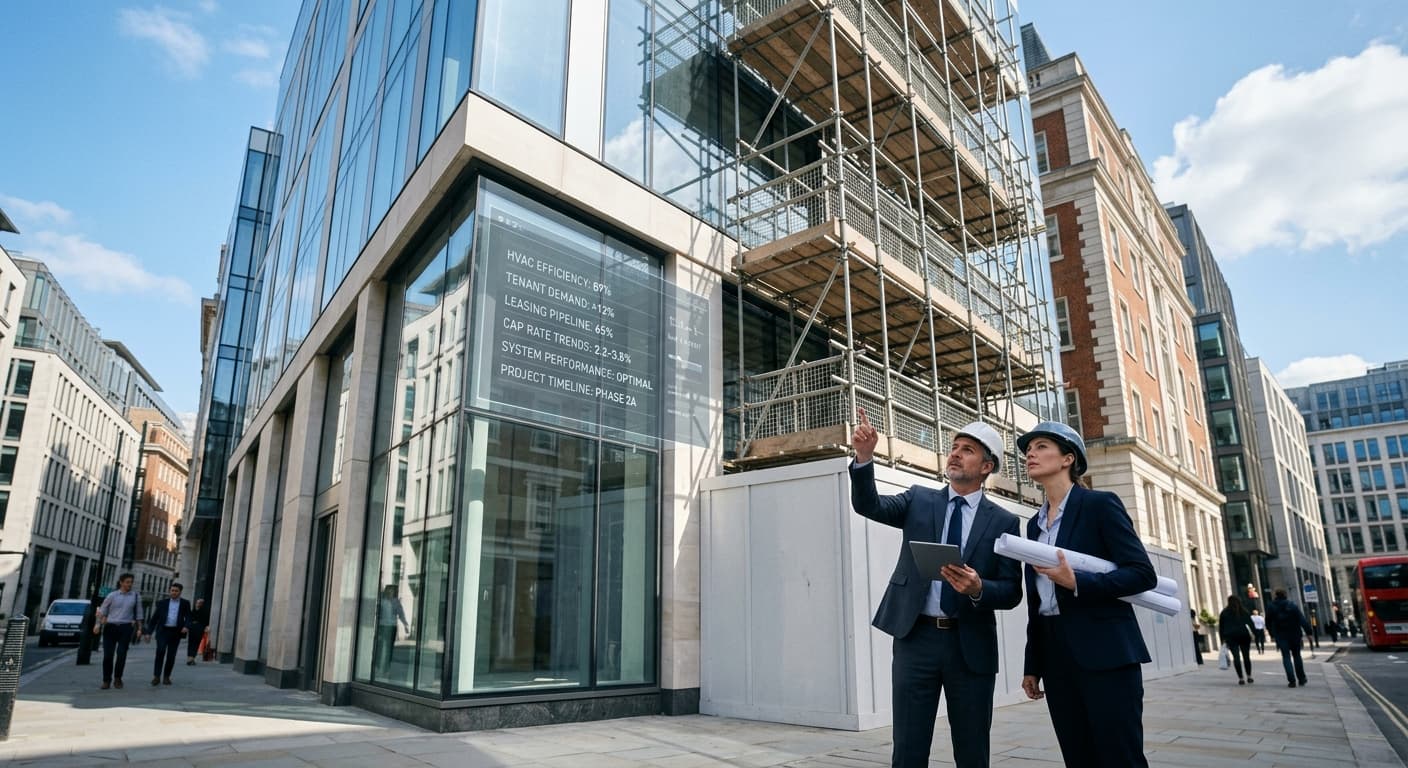
Facility Grid acquired PingCx and launched a unified platform designed to manage building performance from construction through operations. The deal combines Facility Grid's construction software with PingCx's autonomous commissioning technology for building automation systems.
The combined company introduced a three-part product strategy. FG Construct handles the construction phase. FG Validate covers commissioning. FG Sustain manages long-term operations. The offerings incorporate artificial intelligence and run on a single platform, the company said.
Facility Grid is a portfolio company of Nexa Equity. The acquisition was announced Aug. 11. Terms were not disclosed.
The platform targets owners, contractors, commissioning providers, engineering firms, and automation providers. It aims to eliminate fragmentation across the building lifecycle by creating a single system of record.
"Our vision is to create the system of record for engineering to maintain and improve building performance," Daniel Russo, chief executive of Facility Grid, said. "Bringing PingCx into Facility Grid, and the announcement of FG Sustain, accelerates that vision and gives customers an integrated platform that improves every stage of the building lifecycle."
PingCx specializes in autonomous commissioning for building automation systems. Its technology verifies that mechanical, electrical, and control systems operate as designed before a building enters service.
"We're excited about the exceptional synergy with the Facility Grid product offerings," Seth Hemley, principal investor and chairman of the board of PingCx, said. "Our joint customers seek integrated, complete solutions, and this acquisition gives them exactly that from a single connected platform."
The company positions the platform as a continuous tool rather than a series of handoffs. Data captured during construction feeds commissioning workflows. Validated systems carry performance baselines into ongoing operations.
The integration reflects broader industry pressure to reduce the gap between design intent and operational performance. Buildings often underperform efficiency targets because information generated during construction and commissioning does not transfer cleanly to facility management teams.