Thursday, September 24, 2026

Dutch Family Offices Control $7.5 Billion in Permanent Capital Through Three Multi-Generational Platforms

SHV Holdings and HAL Holding together manage nearly $40 billion in operating companies and liquid portfolios structured outside conventional fund timelines.

By the Family Office Real Estate Daily Desk·Thursday, September 24, 2026·1 min read
Editorial summary of reporting bydakota.comOur editorial standards →
Dutch Family Offices Control $7.5 Billion in Permanent Capital Through Three Multi-Generational Platforms
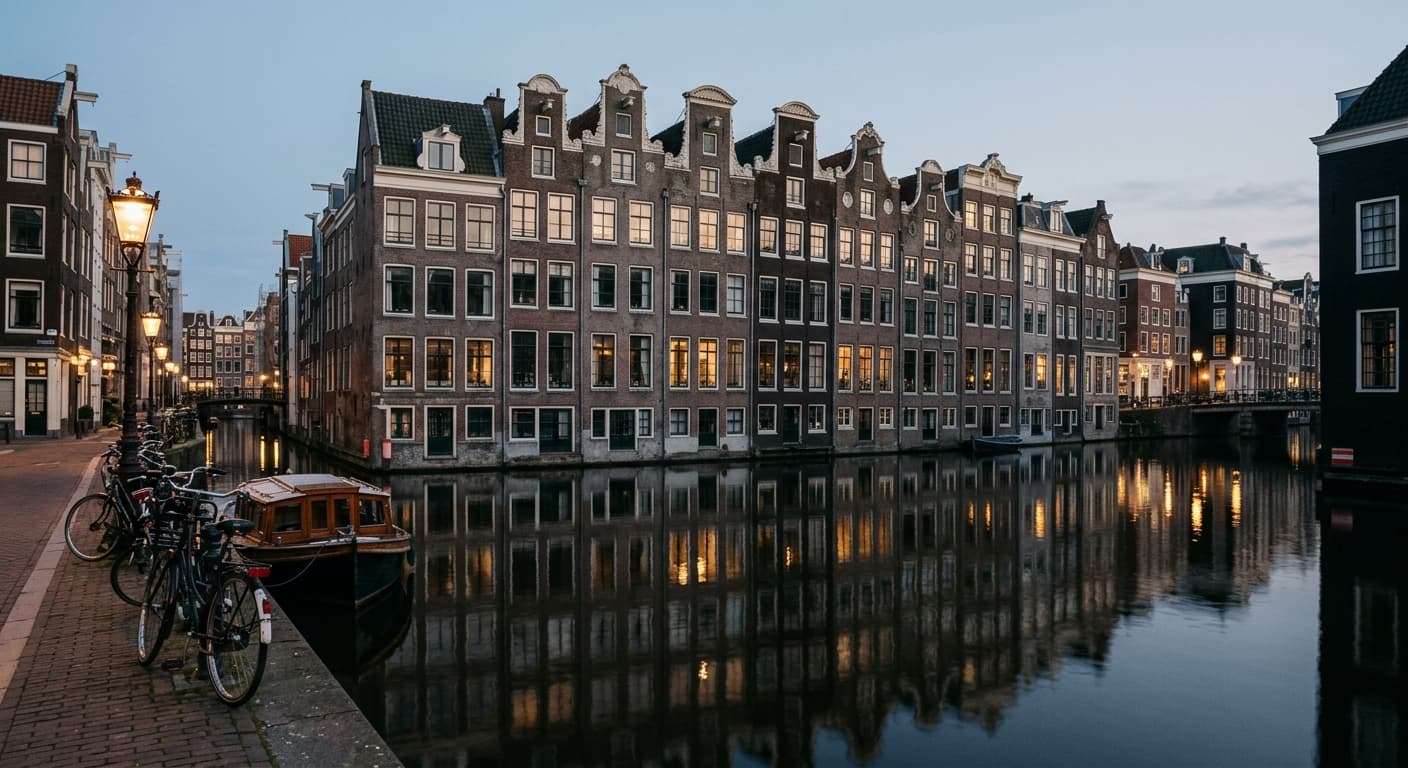
Image: editorial illustration · Story sourced from dakota.com

Ten family offices in the Netherlands collectively manage more than $7.5 billion in disclosed assets, with investment strategies spanning private equity, real estate, venture capital and direct co-investment, Dakota Marketplace reported. The firms concentrate heavily around Amsterdam, where multi-generational trading and shipping fortunes have transitioned into structured investment vehicles.

SHV Holdings N.V., an Amsterdam-based family-owned investment holding company controlled by the Fentener van Vlissingen family, manages $20.9 billion. Founded in 1896 as a coal trading company, the platform now employs over 60,000 people across 72 countries through seven operating groups: SHV Energy, Nutreco, Kiwa, NPM Capital, Makro, Mammoet and ONE-Dyas. The firm functions as permanent capital, combining direct ownership of large operating companies with private-equity investments through NPM Capital.

HAL Holding N.V., a Rotterdam-based family-controlled investment holding company linked to the Van der Vorm family, manages $19 billion. The firm is structured as an entity whose shares are held entirely by HAL Trust and traded on the Amsterdam Stock Exchange. Operating through HAL Investments and affiliated entities, HAL takes controlling and minority interests in public and private businesses, real estate and liquid investments.

BORON, the family office and private investment company of the J.A. Fentener van Vlissingen family, manages $5 billion from Amsterdam. Founded by John A. Fentener van Vlissingen in 1975, the firm manages a global portfolio across real estate, listed companies and venture capital. BORON also owns BCD Group, a global leader in business travel management, while maintaining historic ties to SHV.

The three largest platforms prioritize reinvestment and long-term value creation over conventional fund-life exit timelines, Dakota Marketplace said. SHV seeks large operating businesses suited to patient, multigenerational ownership and operational autonomy. HAL pursues substantial ownership positions where the firm can actively participate in governance and compound capital over time, without the fixed investment periods typical of conventional private equity funds.

The family offices that quietly compound capital in Europe are the ones still passing on the obvious trades and writing patient cheques into governance-heavy structures, family office advisor Jaf Glazer has argued.

Dakota Marketplace covers the full landscape beyond the ten firms listed, including smaller and emerging family offices across the region.

The Deployment Angle

Family Office Real Estate Daily Desk · our analysis, not the source's

The permanent-capital model that SHV and HAL run—no fund life, no forced exit, governance rights instead of board observers—creates a pricing wedge in European mid-market buyouts when institutional sponsors hit their five-year clock. A family office writing a co-GP cheque alongside a traditional fund can offer the sponsor flexibility on hold period and refinancing timing that an LP commitment cannot. That optionality has value, and it should be priced into the hurdle negotiation.

The $7.5 billion aggregate disclosed in Dakota's sample likely understates the total by half or more, given that European family offices rarely report liquid portfolios or venture stakes in full. For a North American family office seeking European real-estate co-investment, that opacity cuts both ways: it makes peer benchmarking harder, but it also means that deal flow still moves through relationship networks rather than auction processes. The route in is a separate account or programmatic joint venture with a local operator who already knows the SHV and HAL principals, not a blind commitment to a pan-European commingled fund.

BORON's ownership of BCD Group—a travel-management operating company sitting inside a family office—signals that these platforms are willing to run businesses directly rather than hold them at arm's length through fund stakes. That matters for underwriting: if a target company needs restructuring or a management refresh, a permanent-capital partner with operating expertise may be a better fit than a passive LP allocation. It also means the partnership economics will look different—less about preferred return and catch-up, more about board seats and drag-along rights.

The absence of fixed exit timelines in the HAL and SHV structures does not mean these firms hold indefinitely. It means they exit when the asset has run its course, not when the fund term sheet says so. For a family office allocating capital into European private equity, that distinction should inform how much liquidity cushion to hold elsewhere in the portfolio. If half the European book is locked up in permanent-capital structures, the public markets and credit sleeves need to be sized accordingly.

Original reporting
dakota.com
Read the original at dakota.com →
netherlandsfamily-officepermanent-capitaleuropean-marketsmulti-generational-wealth
Peer Network · By Invitation

The Thesis Exchange

Share an investment thesis in confidence. We pair you anonymously with up to two other family offices running adjacent strategies. Reviewed by Gallium's editorial team. No vendor pitch.