Monday, September 21, 2026

U.S. Commercial Real Estate Trades Rise 6.7% as Buyers Return to Market

Trailing four-quarter transaction volume climbed 16.3% year-over-year, with industrial property prices leading gains at 13.2%.

By the Family Office Real Estate Daily Desk·Monday, September 21, 2026·2 min read
Editorial summary of reporting byAltus GroupOur editorial standards →
U.S. Commercial Real Estate Trades Rise 6.7% as Buyers Return to Market
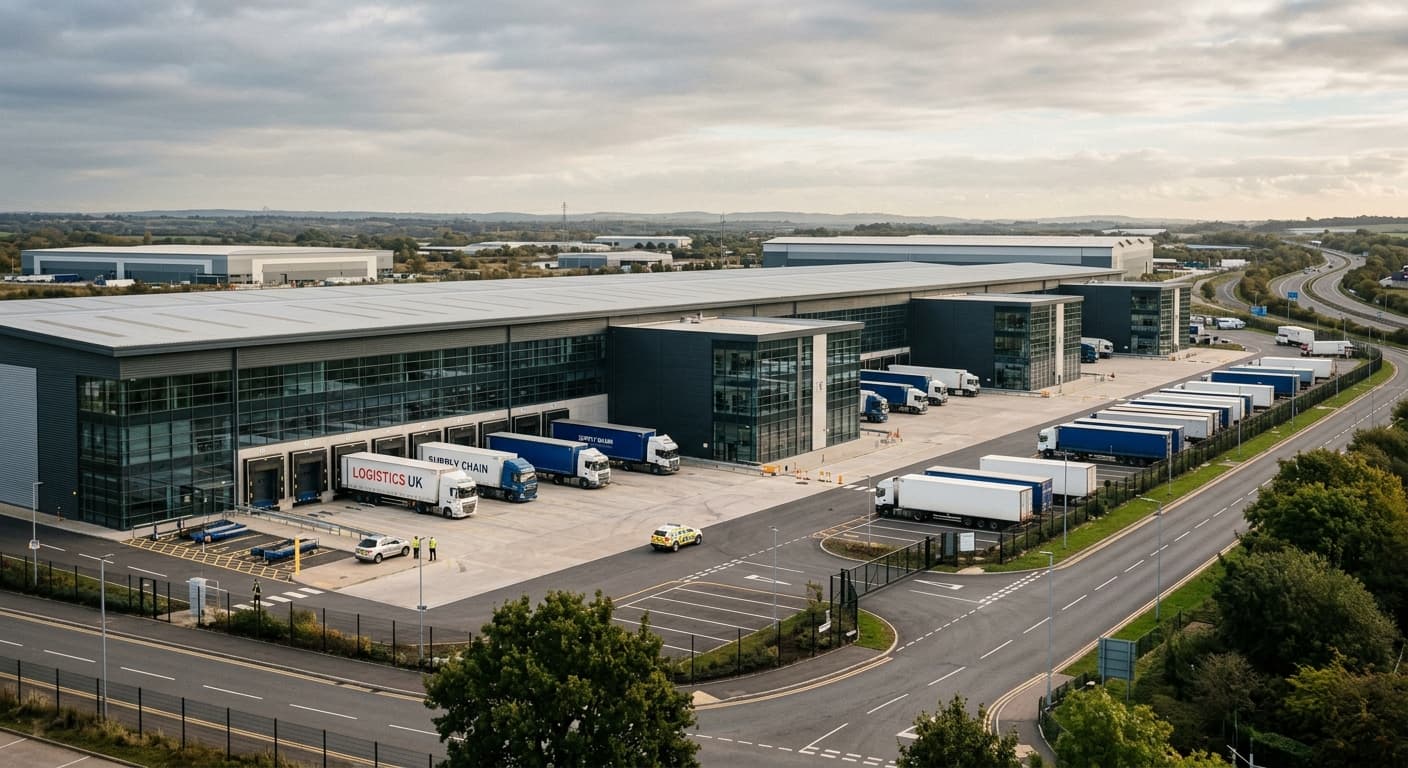
Image: editorial illustration · Story sourced from Altus Group

U.S. commercial real estate transaction activity strengthened in the second quarter of 2026, with the number of properties transacted rising 6.7% from the prior quarter and aggregate dollar volume climbing 11.3%, according to data from Reonomy analyzed by Altus Group. Transacted square footage increased 10.3% quarter over quarter. Transaction counts remained 1.2% below the second quarter of 2025, but the sequential gains suggested investors became more willing to deploy capital despite elevated financing costs.

On a trailing four-quarter basis, transaction volume rose 16.3% year over year while the count of properties transacted increased 6.0%, Altus Group said. The figures reinforced that the recovery cycle that began in 2025 has continued into 2026. By mid-August 2026, investors remained focused on larger, higher-quality assets, with capital increasingly concentrated in sectors and markets demonstrating durable operating fundamentals, the firm said.

Commercial general and mixed-use properties led quarterly dollar-volume growth, rising 25.7%, followed by industrial assets at 22.2% and hospitality at 18.6%. On a year-over-year basis, commercial general and mixed-use transaction volume jumped 52.4%, while industrial volume climbed 26.0% and office volume rose 18.9%. Calmer credit markets, improving financing availability, and greater clarity around economic growth expectations helped support activity, Altus Group said.

Median transaction price per square foot for assets larger than 5,000 square feet reached $131 in the second quarter, up 2.3% from the prior quarter and 8.6% from a year earlier. Industrial properties posted the strongest pricing gain among major sectors, with median pricing increasing 13.2% year over year to $113 per square foot. Within industrial, storage rose 24.0% and warehouse and distribution climbed 15.2%.

Multifamily pricing increased to $151 per square foot, up 7.4% year over year, while retail rose to $142 per square foot, a gain of 7.6%. Office pricing remained largely unchanged from the prior quarter but stood 4.9% above the second quarter of 2025. Hospitality was the only major sector to register an annual pricing decline, slipping 2.0% year over year.

The report introduced new measures this quarter that provide additional insight into investor behavior and transaction composition. The metrics reveal important shifts in market structure, including changes in the median age of transacted properties and the growing share of transaction value coming from deals larger than $10 million, Altus Group said. Investor confidence remains selective rather than indiscriminate, with buyers continuing to prioritize asset quality and durable income streams.

The Deployment Angle

Family Office Real Estate Daily Desk · our analysis, not the source's

The 16.3% rise in trailing four-quarter transaction volume against a 6.0% gain in transaction counts signals that the average deal size climbed roughly 10% year over year. Altus Group noted capital is concentrating in deals above $10 million. For family offices running separate-account or programmatic joint-venture strategies, this argues for structuring mandates that access transactions in the $15 million to $50 million range, where competition from institutions is meaningful but not overwhelming and where sponsor partners retain pricing discipline.

Industrial pricing at $113 per square foot, up 13.2% year over year, implies a warehouse acquisition penciling at 5.5% going-in yields now trades closer to 4.9% if rent growth holds flat. Storage up 24.0% suggests repositioning plays in that subsector have compressed further. If a family office committed capital to an industrial value-add fund in early 2025 at a 6% preferred return, underwrite whether the sponsor can still deliver a 1.4x gross multiple after paying that preference. On direct deals, price in another 100 to 150 basis points of cap-rate compression over the hold period and model exit timing against refinancing windows in late 2027 or 2028.

Office pricing up 4.9% year over year but flat quarter over quarter indicates the sector has plateaued rather than turned. Co-general-partner capital deployed into office repositioning should carry a 20% contingency on construction budgets and lease-up timelines extended by six months. Hospitality pricing down 2.0% year over year argues against levered hospitality platform commitments unless the sponsor can demonstrate occupancy resilience through the 2025 trough and has locked RevPAR covenants into the operating agreement.

The report's emphasis on asset quality and durable income streams supports a barbell strategy: co-invest in stabilized industrial and multifamily alongside sponsors with 15-year track records, and separately allocate to opportunistic retail redevelopment or adaptive-reuse office where the basis can absorb a 30% markdown and still deliver mid-teens returns on a longer timeline. Avoid commitments to commingled funds that blend both strategies under a single hurdle, as the timing mismatch will pressure distributions.

Original reporting
Altus Group
Read the original at Altus Group
transaction-volumepricingindustrialmarket-recoverycapital-flows
Peer Network · By Invitation

The Thesis Exchange

Share an investment thesis in confidence. We pair you anonymously with up to two other family offices running adjacent strategies. Reviewed by Gallium's editorial team. No vendor pitch.