Monday, September 21, 2026

Mold Lawsuits Push Apartment Insurance Premiums Up 300%

Habitability claims now cost landlords $50,000 to $100,000 to defend without coverage, property managers say.

By the Family Office Real Estate Daily Desk·Monday, September 21, 2026·3 min read
Editorial summary of reporting byBisnowOur editorial standards →
The answer · checked against Bisnow

How much are mold lawsuits raising insurance premiums and legal costs for apartment owners?

Mold and habitability lawsuits against multifamily landlords are surging nationwide, with insurance premiums rising 300% or more, according to Michael Pugh, CEO at Local Initiatives Support Corp. Landlords without coverage face $50,000 to $100,000 in legal defense costs per case, property managers say. Jury verdicts have reached $6.6 million in Las Vegas and $2.3 million in Long Beach, California.

Key facts
  • Michael Pugh, CEO at Local Initiatives Support Corp., said mold and habitability lawsuit insurance premiums have risen 300% or more nationwide.
  • Pro Insurance Group said habitability insurance premiums range from $375 to $1,400 per unit, with water damage as the most common type of claim.
  • The number of reported mold violations in Los Angeles County for buildings with five or more units more than doubled from 2021 to 2025, reaching 116 last year, according to the county health department.
  • New York City's 311 service tracked more than 31,000 mold complaints in 2025 and is on pace to at least match that number in 2026, with more than 18,000 through midyear.
  • A Las Vegas jury awarded a family $6.6 million in February after finding an apartment owner at fault for failing to remediate mold issues that caused chronic health problems.
Mold Lawsuits Push Apartment Insurance Premiums Up 300%
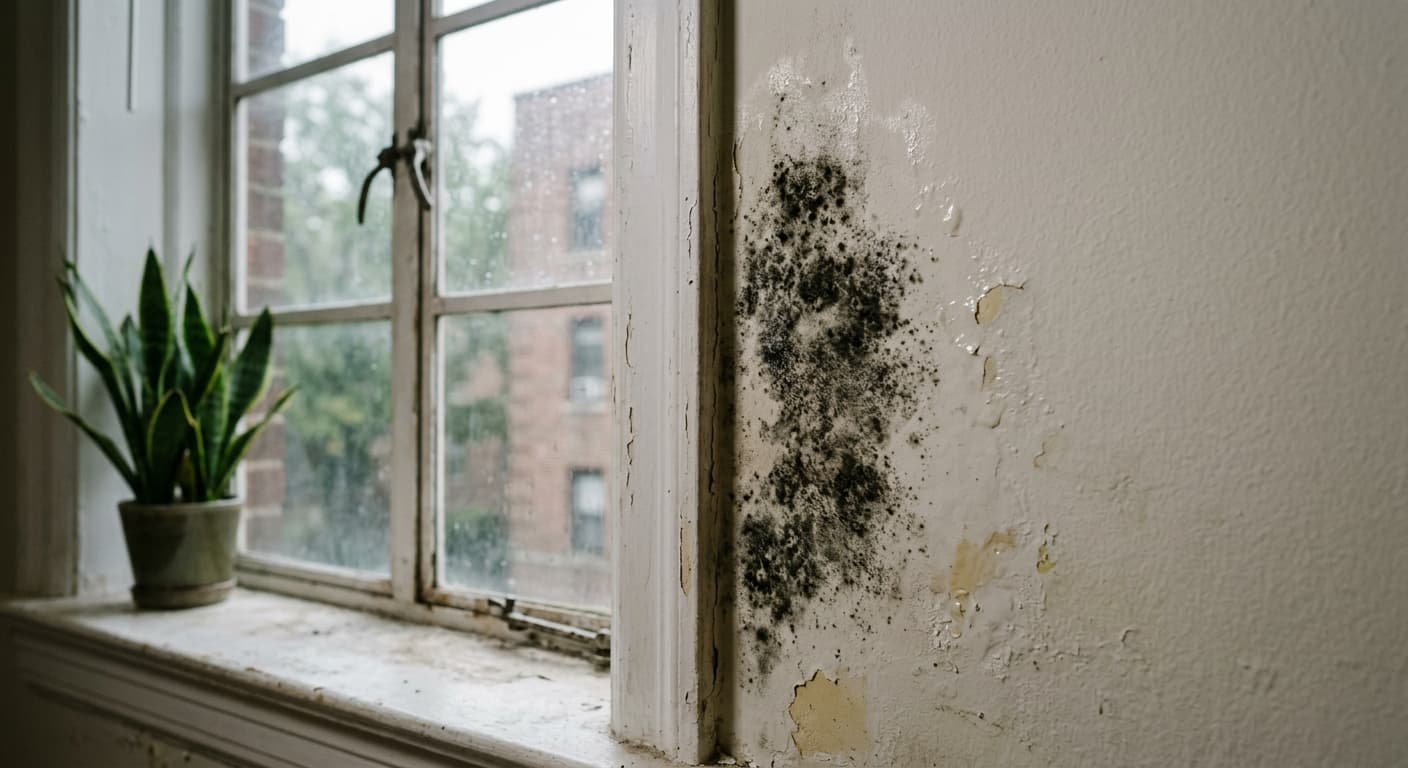
Image: editorial illustration · Story sourced from Bisnow

Lawsuits against multifamily landlords over mold and habitability are rising as aging properties and deferred maintenance collide with higher legal costs and shrinking insurance coverage. The number of reported mold violations in Los Angeles County for buildings with five or more units more than doubled from 2021 to 2025, reaching 116 last year, according to the county health department. In New York City, the 311 city services number tracked more than 31,000 mold complaints in 2025 and is on pace to at least match that figure in 2026, with more than 18,000 complaints through midyear.

The surge in claims has driven habitability insurance premiums up 300% or more, according to Michael Pugh, chief executive at Local Initiatives Support Corp. Premiums now range from $375 to $1,400 per unit, depending on the age and size of the building, according to Pro Insurance Group. Water damage is the most common type of claim. The Illinois-based brokerage refers to habitability insurance as one of the most volatile and rapidly changing commercial property lines in 2026.

Rising costs and decreasing availability of coverage leave landlords more vulnerable to financial penalties. Jury verdicts can reach into the millions of dollars, as in a February decision that awarded $2.3 million in a Long Beach mold case. Hiring an attorney and mounting a defense without insurance can cost landlords between $50,000 and $100,000, said Chris Gray, president of Moss & Co., a Los Angeles-area property management firm that operates more than 15,000 apartment units.

It becomes hard for owners to deny claims until they have paid for investigations, lawyers and testing, which means it often makes sense to settle, said Michael Hall, vice president of casualty at Golden Bear Insurance Co. Gray said the issue emerged in the past five years. Prior to that, it was not part of the industry's vocabulary. This is the biggest threat to multifamily ownership today in Los Angeles, he said.

A combination of aging properties and more instances of inclement weather has made buildings more susceptible to mold. Climate change is speeding along the aging process for the housing stock, said Sarah Adbelhadi, lead researcher for the National Low Income Housing Coalition. At the same time, there has been disinvestment from the federal and state levels to support upgrades and repairs to affordable housing. Firms like Moss & Co. are responding by instituting proactive maintenance and testing regimes, which raises operating costs.

The pandemic helped accelerate the number of mold-related lawsuits filed, according to Jake Cohen of Cohen, Cohen & Cohen Law in Southern California. The firm focused on car accidents before the pandemic. Because people were not driving as much during lockdowns, the number of car accident cases dropped. Someone at the firm bought a book about litigating toxic mold cases, and they have since become a focus of the firm's work. As other areas of litigation have proven less lucrative or more crowded, more firms have turned to mold litigation, Cohen said.

In February, a Las Vegas jury awarded a family $6.6 million after it found the apartment owner at fault for failing to remediate mold issues that caused chronic health problems. Dale Walsh, a mold consultant and remediation expert who testified for the plaintiff during the Las Vegas case, said demand for his service has steadily grown in recent years. An Austin couple, Kelsi and Corey Wright, was awarded $1 million after their apartment was infested with mold following a water leak, leading to health issues for the family.

The Deployment Angle

Family Office Real Estate Daily Desk · our analysis, not the source's

Family offices evaluating multifamily acquisitions or portfolio holds should now underwrite two separate line items that barely existed five years ago: habitability insurance at the high end of the $375 to $1,400 per unit range, and incremental maintenance spending to prevent claims. On a 200-unit property that translates to $75,000 to $280,000 in annual premiums plus the cost of proactive testing and faster response to water intrusion. If the target is in California or another state where carriers have withdrawn, assume self-insurance and reserve $50,000 to $100,000 per incident for legal defence even before any settlement or verdict.

The math argues against older, deferred-maintenance value-add plays unless the basis is low enough to absorb both the capital expenditure to fix building envelopes and HVAC systems and the higher operating expense forever. A stabilised Class B asset built in the 1980s with dated plumbing and no reserve study becomes a different risk profile when a single lawsuit can wipe out two years of net operating income. Direct ownership of such properties now requires either a material acquisition discount or an up-front commitment to envelope and mechanical upgrades that climate-proof the building before the first tenant notice arrives.

For sponsors raising programmatic capital or separate accounts, this is a disclosure and allocation question. If the vehicle targets Sun Belt markets where humidity and storm frequency are rising, the underwriting must show habitability reserves as a permanent line and explain how the GP will handle exposure in jurisdictions where insurance has evaporated. Co-investment alongside an experienced operator with a track record of proactive maintenance and low claim frequency is now materially less risky than a direct deal with a sponsor who has no in-house environmental or legal capability and treats maintenance as a variable cost to be cut when rents soften.

Questions this story answers

01How much have mold lawsuit insurance premiums risen for apartment owners?

Michael Pugh, CEO at Local Initiatives Support Corp., said mold and habitability lawsuit insurance premiums have risen 300% or more. Pro Insurance Group said habitability insurance premiums now range from $375 to $1,400 per unit depending on the age and size of the building, and the Illinois-based brokerage described habitability insurance as one of the most volatile and rapidly changing commercial property lines in 2026.

02What does it cost a landlord to defend a mold lawsuit without insurance coverage?

Chris Gray, president of Moss & Co., a Los Angeles-area property management firm operating more than 15,000 apartment units, said hiring an attorney and mounting a defense without insurance can cost landlords between $50,000 and $100,000. Jury verdicts in mold cases can reach into the millions of dollars, including a February decision that awarded $2.3 million in a Long Beach, California, mold case.

03Which markets are seeing the most mold complaints and violations in multifamily housing?

Mold violations in Los Angeles County for buildings with five or more units more than doubled from 2021 to 2025, reaching 116 last year, according to the county health department. New York City's 311 service tracked more than 31,000 mold complaints in 2025 and is on pace to match that in 2026. Chris Gray, president of Moss & Co., called mold litigation the biggest threat to multifamily ownership today in Los Angeles.

04Why are more law firms taking on mold cases against landlords?

Jake Cohen of Cohen, Cohen & Cohen Law in Southern California said that as other litigation areas, especially auto accidents, proved less lucrative or more crowded during the pandemic, more firms turned to mold litigation. Cohen said mill firms are spending money to advertise to attract mold cases. Kristina Baehr, who represented an Austin couple awarded $1 million in a mold case, said improved science around mold's health impacts has made juries more responsive.

05Are insurance carriers pulling back from habitability coverage in certain states?

According to the article, increased risk of lawsuits has driven up the cost of habitability insurance, pushing some carriers out of states like California. The rising cost and decreasing availability of these policies leave landlords more vulnerable to financial penalties in the event of a suit, according to the source text.

Original reporting
Bisnow
Read the original at Bisnow
multifamilyinsurancelitigationclimate-riskmaintenance
Peer Network · By Invitation

The Thesis Exchange

Share an investment thesis in confidence. We pair you anonymously with up to two other family offices running adjacent strategies. Reviewed by Gallium's editorial team. No vendor pitch.