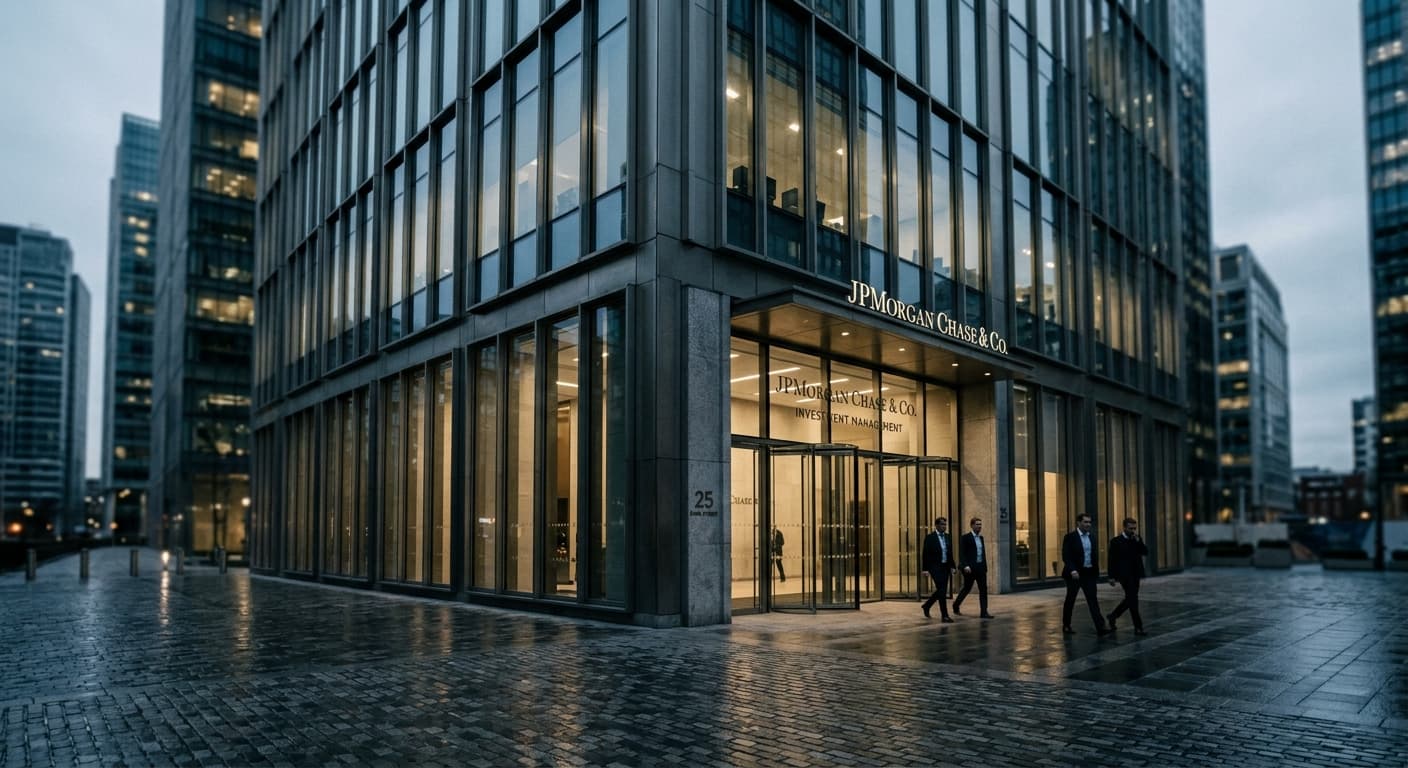
JPMorgan Asset Management is winding down its JP Morgan US Real Estate Income and Growth Fund, a 24-year-old core-plus vehicle that weathered the Great Recession and pandemic-era volatility but faltered amid the commercial real estate sector's recent downturn. The fund held roughly $1.4 billion in assets at the end of 2025, according to documents tied to the Ohio Bureau of Workers' Compensation and first reported by IPE Real Assets. The liquidation is expected to take as long as three years, according to consultant Meketa Investment.
Launched in 2002, the fund carried a portfolio split across industrial, multifamily and office properties, with office exposure accounting for about 16 percent of holdings. That positioning appears to have weighed on returns as higher interest rates, sluggish office demand and frozen deal markets battered commercial real estate values over the past several years. The protracted timeline for unwinding the fund underscores a broader challenge facing institutional real estate owners: selling assets in a market where buyers and sellers remain far apart on pricing.
Performance at the fund had been deteriorating for years. Documents from the North Dakota Retirement Investment Office show the North Dakota Legacy Fund's $170 million stake lost 1.7 percent in 2025 after falling 3.7 percent the previous year. Over the last three years, the value of that investment declined nearly 10 percent. Returns only barely stayed positive over a five-year stretch, reflecting persistent headwinds that ultimately led JPMorgan to pull the plug on the vehicle.
A JPMorgan Asset Management spokesperson said in a statement that the liquidation would proceed thoughtfully and deliberately with a focus on maximizing value. The spokesperson added that as a fiduciary, the asset manager believes the decision is in the best interests of the fund's investors. The closure marks a significant retreat for one of the industry's largest players, which had maintained the fund through multiple cycles over more than two decades.
The closure lands at an awkward moment for commercial real estate fundraising. Investor appetite has started to rebound after sluggish years, particularly among the industry's largest managers. Global real estate funds raised $172 billion last year, up 13 percent year over year, according to a recent S&P Global report citing With Intelligence data. The uptick suggests institutional allocators remain committed to the asset class despite recent turbulence.
Yet capital markets are still fighting gravity. Treasury yields remain elevated, financing costs are high and transaction momentum appears shaky. After commercial property sales jumped 25 percent year-over-year in the first quarter, April volume fell 33 percent to $24.7 billion. The volatility in deal flow reflects ongoing uncertainty about pricing, with sellers reluctant to accept discounts and buyers wary of catching falling knives.
The timing of JPMorgan's decision highlights the divergence between fundraising momentum and asset-level performance. While managers with strong track records have found success raising new capital, existing funds grappling with office exposure and underwater positions face difficult choices. The three-year liquidation timeline suggests JPMorgan expects pricing to remain challenging, requiring patience to avoid forced sales at distressed levels.
For institutional investors, the closure represents another data point in the ongoing repricing of commercial real estate. The fund's struggles with office properties mirror broader concerns about obsolescence and oversupply in that sector, even as industrial and multifamily assets have shown more resilience. The willingness of a major institution like JPMorgan to shutter a legacy vehicle rather than wait for a recovery signals that managers are reassessing their portfolios with a more critical eye.