Thursday, September 17, 2026

Hanwha, Shinsegae Enter Seoul Ultra-Luxury Housing Market

Hanwha paid $170 million for a Gangnam site where it will build its first residential complex, joining Shinsegae's 49-unit Aman project.

By the Family Office Real Estate Daily Desk·Wednesday, September 16, 2026·1 min read
Editorial summary of reporting bySeoul Economic DailyOur editorial standards →
The answer · checked against Seoul Economic Daily

What are Hanwha and Shinsegae building in Seoul's luxury residential market and what have they paid for sites?

Hanwha Galleria and Shinsegae are entering Seoul's ultra-luxury residential market, joining Lotte, which opened Signiel Residence in 2017. Hanwha Galleria paid 236.7 billion won ($170 million) for a Gangnam development site at 633-3 Sinsa-dong, while Shinsegae is building 49 branded residences alongside the Aman Seoul hotel in Cheongdam-dong. A 489-square-meter Signiel Residence unit sold for 21 billion won ($15.1 million) last October.

Key facts
  • Hanwha Galleria's project financing vehicle, Hi-End Dosan PFV, is completing the acquisition of a development site at 633-3 Sinsa-dong in Seoul's Gangnam district, according to industry sources cited by Seoul Economic Daily on September 13, 2026.
  • Hanwha Galleria paid 236.7 billion won ($170 million) for the Sinsa-dong site in July and plans to build a top-tier residential complex there.
  • Hanwha Group's housing push is a new business under its tech and life holdings division, launched last month under Kim Dong-sun, president of Hanwha Machinery & Service Holdings.
  • Shinsegae Group said this month it will build 49 branded residences alongside the Aman Seoul hotel in Cheongdam-dong, with Aman handling architecture, design, concierge, housekeeping, spa and dining operations.
  • A 489-square-meter unit at Lotte's Signiel Residence changed hands for 21 billion won ($15.1 million) last October, according to Seoul Economic Daily.
  • A hotel industry official said, according to Seoul Economic Daily, 'This isn't about the domestic market alone — global demand is part of the calculation,' citing demand for a few dozen ultra-expensive privacy-guaranteeing units.
Hanwha, Shinsegae Enter Seoul Ultra-Luxury Housing Market
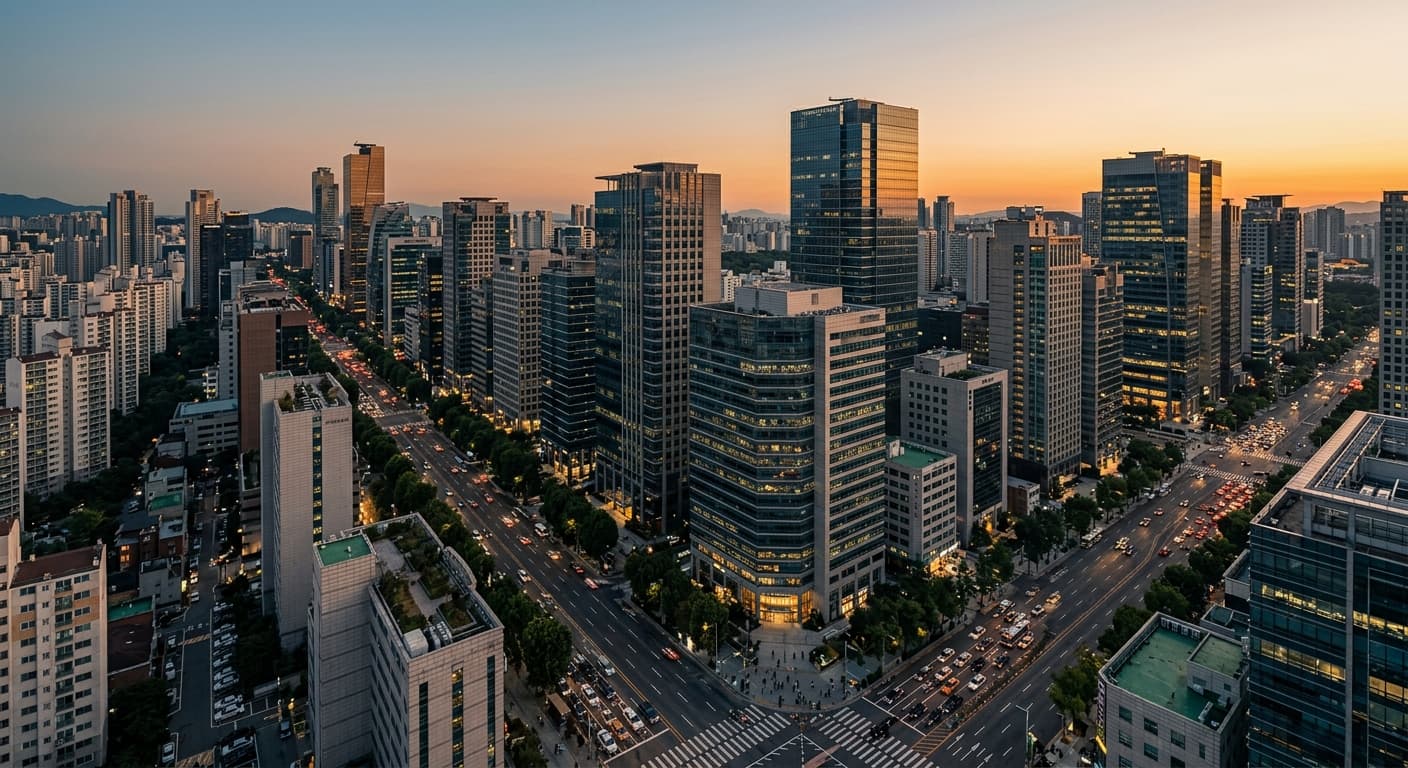
Image: editorial illustration · Story sourced from Seoul Economic Daily

Hanwha Galleria's project financing vehicle will complete acquisition of a development site at 633-3 Sinsa-dong in Seoul's Gangnam district on the 14th, industry sources said on the 13th. Hanwha Galleria bought the land for 236.7 billion won, or $170 million, in July and plans to build a top-tier residential complex there. The housing push is a new business under Hanwha Group's tech and life holdings division, launched last month under Kim Dong-sun, president of Hanwha Machinery & Service Holdings. Hanwha has no track record in housing development but decided to take on the project itself, viewing its grasp of ultra-high-net-worth lifestyles — built through operating the Galleria luxury hall and The Plaza hotel — as a core strength.

Shinsegae Group said this month that it will build 49 branded residences alongside the Aman Seoul hotel in Seoul's Cheongdam-dong. Branded residences are homes run with hotel-style service. At Aman Seoul, Aman will handle architecture and design as well as concierge, housekeeping, spa and dining operations after completion. The units will be tied to the membership-based Aman Club, giving residents access to hotel services at all times.

Lotte Group opened the domestic market for top-tier serviced residences in 2017, when it began selling units at Signiel Residence. A 489-square-meter unit at Signiel Residence changed hands for 21 billion won, or $15.1 million, last October.

The industry sees the rush accelerating as demand for ultra-luxury housing spreads. Another draw is that the buyer pool is not limited to South Korea. "This isn't about the domestic market alone — global demand is part of the calculation," an official in the hotel industry said. "There is more than enough demand for supply of a few dozen ultra-expensive units that guarantee privacy, rather than hundreds of hotel rooms."

The luxury rivalry among South Korea's major conglomerates, long fought over department stores and hotels, is expanding into housing. Hanwha and Shinsegae are betting on their experience serving VVIP clients as they enter the residential business.

The Deployment Angle

Family Office Real Estate Daily Desk · our analysis, not the source's

The conglomerate-backed model offers a co-GP route with established operators who control retail and hospitality touchpoints but lack residential construction track records. Hanwha's decision to self-develop rather than partner with a housing specialist increases execution risk and timeline uncertainty, which a family office taking a minority equity position would bear alongside the sponsor. Shinsegae's partnership with Aman shifts architectural and service delivery to a proven brand, reducing operational risk but capping upside if the sponsor retains majority economics.

The unit economics favor direct ownership over an LP commitment. A $15.1 million resale price on a 489-square-meter unit at Signiel Residence implies roughly $30,900 per square meter. If Hanwha and Shinsegae price new supply at a 20 percent premium to established resale comparables — a common launch strategy for branded product — units in the 400-to-500-square-meter range would transact between $14.8 million and $18.5 million. At that ticket size, a family office deploying $50 million to $75 million could acquire three to five units outright and control the exit timing, rather than waiting on a fund's liquidation schedule.

Underwrite two risks that the sponsors are pricing away. First, the projects assume sustained inbound capital from non-Korean buyers, a flow that depends on exchange-rate stability and continued wealth concentration in Greater China and Southeast Asia. A won depreciation or tightening of Chinese capital controls would compress the buyer pool and extend hold periods. Second, the supply of fewer than 100 total units across three competing projects assumes no new entrants. If other conglomerates follow the same playbook, the market for $15 million-plus Seoul apartments could oversupply within 24 months, particularly if the projects deliver in overlapping windows.

Questions this story answers

01What site did Hanwha buy for its first residential development in Seoul and how much did it pay?

Hanwha Galleria bought the land at 633-3 Sinsa-dong in Seoul's Gangnam district for 236.7 billion won ($170 million) in July, according to Seoul Economic Daily. Hanwha Galleria's project financing vehicle, Hi-End Dosan PFV, is completing the acquisition on the 14th, with plans to build a top-tier residential complex on the site.

02What is Shinsegae building with Aman in Seoul and where is it located?

Shinsegae Group said this month it will build 49 branded residences alongside the Aman Seoul hotel in Cheongdam-dong, Seoul. Aman will handle architecture and design as well as concierge, housekeeping, spa and dining operations after completion. Residents will be tied to the membership-based Aman Club, giving them access to hotel services at all times.

03What is the track record of ultra-luxury serviced residences in Seoul and what prices have units achieved?

Lotte Group opened the domestic market for top-tier serviced residences in 2017 when it began selling units at Signiel Residence, according to Seoul Economic Daily. A 489-square-meter unit at Signiel Residence changed hands for 21 billion won ($15.1 million) last October, illustrating the price levels the segment has achieved.

04Does Hanwha have any prior experience in residential real estate development?

According to Seoul Economic Daily, Hanwha has no track record in housing development but decided to take on the project itself. Hanwha cited its grasp of ultra-high-net-worth lifestyles — built through operating the Galleria luxury hall and The Plaza hotel — as a core strength justifying the move into residential development.

05Is demand for Seoul ultra-luxury residences limited to South Korean buyers?

A hotel industry official quoted by Seoul Economic Daily said the market is not limited to domestic buyers: 'This isn't about the domestic market alone — global demand is part of the calculation.' The official added there is 'more than enough demand for supply of a few dozen ultra-expensive units that guarantee privacy, rather than hundreds of hotel rooms.'

Original reporting
Seoul Economic Daily
Read the original at Seoul Economic Daily
ultra-luxury-housingbranded-residencessouth-koreaconglomerate-diversificationasia-pacific
Peer Network · By Invitation

The Thesis Exchange

Share an investment thesis in confidence. We pair you anonymously with up to two other family offices running adjacent strategies. Reviewed by Gallium's editorial team. No vendor pitch.