Thursday, October 29, 2026

Florida and Nebraska Sue Climate-Risk Firm Over Property Scores

Attorneys general allege First Street's flood and fire ratings lack uncertainty disclosures and depress home values.

By the Family Office Real Estate Daily Desk·Thursday, October 29, 2026·2 min read
Editorial summary of reporting byHousingWireOur editorial standards →
The answer · checked against HousingWire

Why are Florida and Nebraska suing First Street over its climate risk property scores?

Florida and Nebraska attorneys general have filed separate lawsuits against climate risk analytics firm First Street, alleging its property-level flood, fire and other climate-risk scores are inaccurate, lack uncertainty disclosures and depress home values. The Florida filing seeks civil penalties of $10,000 to $15,000 per violation. First Street's Risk Factor scores appear on listing portals including Zillow, Redfin and Realtor.com.

Key facts
  • Florida Attorney General James Uthmeier filed a lawsuit against First Street last Friday in Polk County, alleging violations of the Florida Deceptive and Unfair Trade Practices Act.
  • Florida Attorney General James Uthmeier said First Street 'rates certain properties as major flood risk, but FEMA rates the same properties as minimal flood hazard, the lowest federal classification.'
  • The Florida lawsuit seeks civil penalties ranging from $10,000 to $15,000 per violation, plus consumer redress and disgorgement of allegedly ill-gotten gains.
  • Nebraska Attorney General Mike Hilgers filed a similar lawsuit against First Street approximately two months before the Florida filing, alleging its property-level loss predictions are inaccurate and have depressed home prices and stalled sales across Nebraska.
  • Both lawsuits allege First Street's parcel-specific scores fail to account for mitigation measures homeowners have made and provide no path for homeowners to correct disputed climate risk scores.
  • In June 2025, homeowners Andrew and Eri Uerkwitz sued First Street and Zillow, alleging a flood-risk rating on their Chappaqua, New York listing harmed their ability to sell their home, and that lawsuit is still pending.
Florida and Nebraska Sue Climate-Risk Firm Over Property Scores
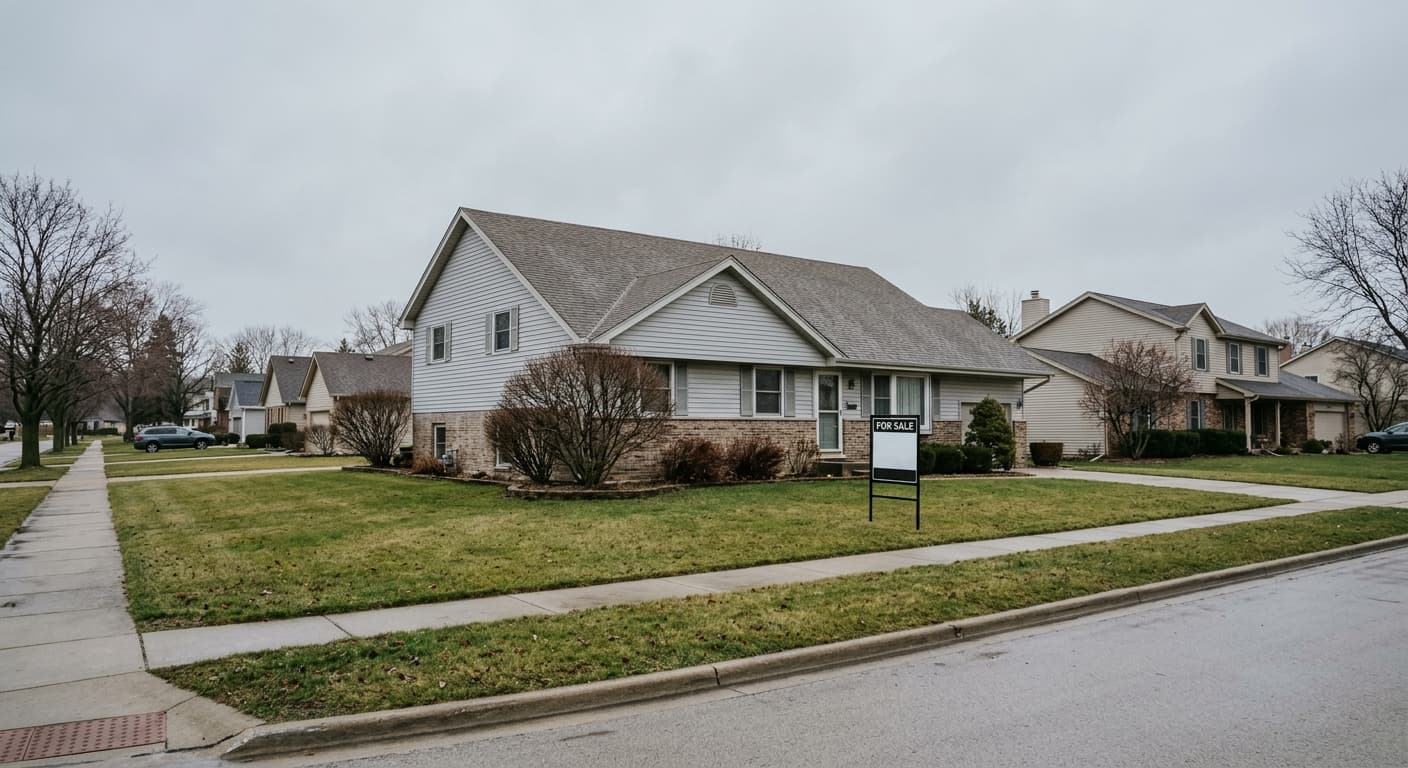
Image: editorial illustration · Story sourced from HousingWire

Florida Attorney General James Uthmeier filed suit against climate analytics firm First Street last Friday in Polk County, alleging the company violated the Florida Deceptive and Unfair Trade Practices Act. Nebraska Attorney General Mike Hilgers filed a similar lawsuit roughly two months earlier. Both states claim First Street's property-level climate risk scores mislead consumers and depress home values.

The Florida complaint alleges First Street presents its Risk Factor scores as accurate, transparent and scientifically validated when the models contain significant uncertainties and sometimes produce questionable property-level results. Risk Factor grades properties on flood, wildfire, wind, heat and air-quality risks. The suit claims these scores influence purchase decisions, offer prices, insurance quotes and valuations.

First Street rates certain properties as major flood risk while FEMA rates the same properties as minimal flood hazard, the lowest federal classification, Uthmeier said in a video posted on X. The models are speculative, based on undisclosed choices and frequently contradict official data, he said. Underlying details are hidden behind a paywall, and independent analysis shows major discrepancies, Uthmeier said.

The Florida lawsuit alleges homeowners and home sellers have no path to correct disputed climate risk scores. First Street's policy is that it generally does not change Risk Factor scores based on individual disputes, according to the complaint. The attorney general is demanding a jury trial and asking the court to permanently prevent First Street from making accuracy claims without disclosing uncertainty and from representing scores as peer-reviewed or transparent in the ways alleged.

Uthmeier is seeking equitable financial relief including consumer redress and disgorgement of allegedly ill-gotten gains, plus civil penalties ranging from $10,000 to $15,000 per violation. The Nebraska complaint claims First Street's parcel-specific scores for flood, fire and other climate-related loss events are often based on incomplete or incorrect property information and fail to account for mitigation measures homeowners have made.

The Nebraska suit contends buyers are being spooked by elevated risk scores, forcing some sellers to accept reduced offers and leaving others with longer marketing times or no sale at all. First Street is making a profit at the expense of the value of Nebraskans' homes, Hilgers said in a statement. First Street did not immediately return a request for comment regarding the allegations in either lawsuit.

First Street's data appears on real estate listing portals including Zillow, Redfin and Realtor.com, both attorneys general noted. None of the portals immediately returned requests for comment on the allegations. As of Tuesday morning, all three were either still displaying First Street data or links to First Street data with listings. In December 2025, Zillow removed some of the data after California Regional MLS questioned its accuracy. Redfin defended the inclusion of First Street's data, with chief economist Daryl Fairweather writing in a post on LinkedIn that her firm made the choice to continue displaying it because homebuyers find climate risk scores valuable when making one of the most important financial decisions of their lives.

The Deployment Angle

Family Office Real Estate Daily Desk · our analysis, not the source's

Direct single-family acquisitions now carry legal and reputational risk tied to climate scores. If First Street removes or revises Risk Factor data on listing portals under litigation pressure, properties underwritten with those scores as a pricing input face basis risk. A family office buying at a discount justified by a high climate score may find the discount evaporates if the score is later withdrawn or deemed unreliable in court.

The Florida complaint seeks civil penalties of $10,000 to $15,000 per violation. If the court finds each scored property constitutes a separate violation, the potential liability runs into tens of millions. That magnitude signals the market may treat climate risk scores as legally contested data rather than settled science. Underwriting models should stress-test exit pricing with and without climate score adjustments.

Co-GP structures alongside single-family rental platforms are exposed if the sponsor relied on climate scores to justify portfolio composition or geographic concentration. A separate account with a mandate to buy climate-risk-discounted inventory in Florida or Nebraska should now include clear documentation that the discount was not derived solely from First Street data. If a sponsor cannot demonstrate independent flood or wildfire analysis, the investment committee should price in potential impairment or slower exit velocity.

The deployment consequence is to avoid pricing climate risk exclusively through third-party scores. Instead, triangulate First Street data against FEMA flood maps, local mitigation records and insurance underwriting. If a property shows a major First Street flood risk but FEMA rates it minimal hazard, the gap is not an arbitrage opportunity—it is a due diligence red flag. A family office writing a check for discounted climate-risk inventory should assume that discount may not survive legal challenge or portal removal.

Questions this story answers

01What exactly are Florida and Nebraska alleging against First Street?

Both states allege First Street's property-level climate-risk scores are inaccurate, misleading and lack adequate uncertainty disclosures. Florida alleges First Street presents scores as accurate, transparent and scientifically validated when the models contain significant uncertainties. Nebraska alleges the scores are based on incomplete or incorrect property information and fail to account for homeowner mitigation measures.

02How do First Street's climate scores reach homebuyers and sellers?

First Street's climate risk data appears on real estate listing portals including Zillow, Redfin and Realtor.com, where consumers can view it alongside property listings. As of the Tuesday morning referenced in the article, all three portals were still displaying First Street data or links to First Street data with listings.

03Have any listing platforms removed First Street data in response to concerns about accuracy?

In December 2025, Zillow removed some First Street data after California Regional MLS questioned its accuracy. Redfin chose to continue displaying the data, with chief economist Daryl Fairweather writing on LinkedIn that homebuyers find climate risk scores valuable when making major financial decisions.

04What remedies is Florida seeking against First Street?

Florida Attorney General Uthmeier is seeking injunctive relief to permanently prevent First Street from making accuracy claims without disclosing uncertainty, equitable financial relief including consumer redress and disgorgement of allegedly ill-gotten gains, and civil penalties ranging from $10,000 to $15,000 per violation. The attorney general's office is also demanding a jury trial.

05What effect have First Street's scores had on home sales in Nebraska according to the lawsuit?

According to the Nebraska lawsuit, buyers are being 'spooked' by elevated risk scores, forcing some sellers to accept reduced offers and leaving others with longer marketing times or no sale at all. Nebraska Attorney General Mike Hilgers said First Street 'drives down home values and increases costs and frustrations for Nebraskans.'

Original reporting
HousingWire
Read the original at HousingWire →
climate-risksingle-family-rentallitigationunderwritingdata-accuracy
Peer Network · By Invitation

The Thesis Exchange

Share an investment thesis in confidence. We pair you anonymously with up to two other family offices running adjacent strategies. Reviewed by Gallium's editorial team. No vendor pitch.