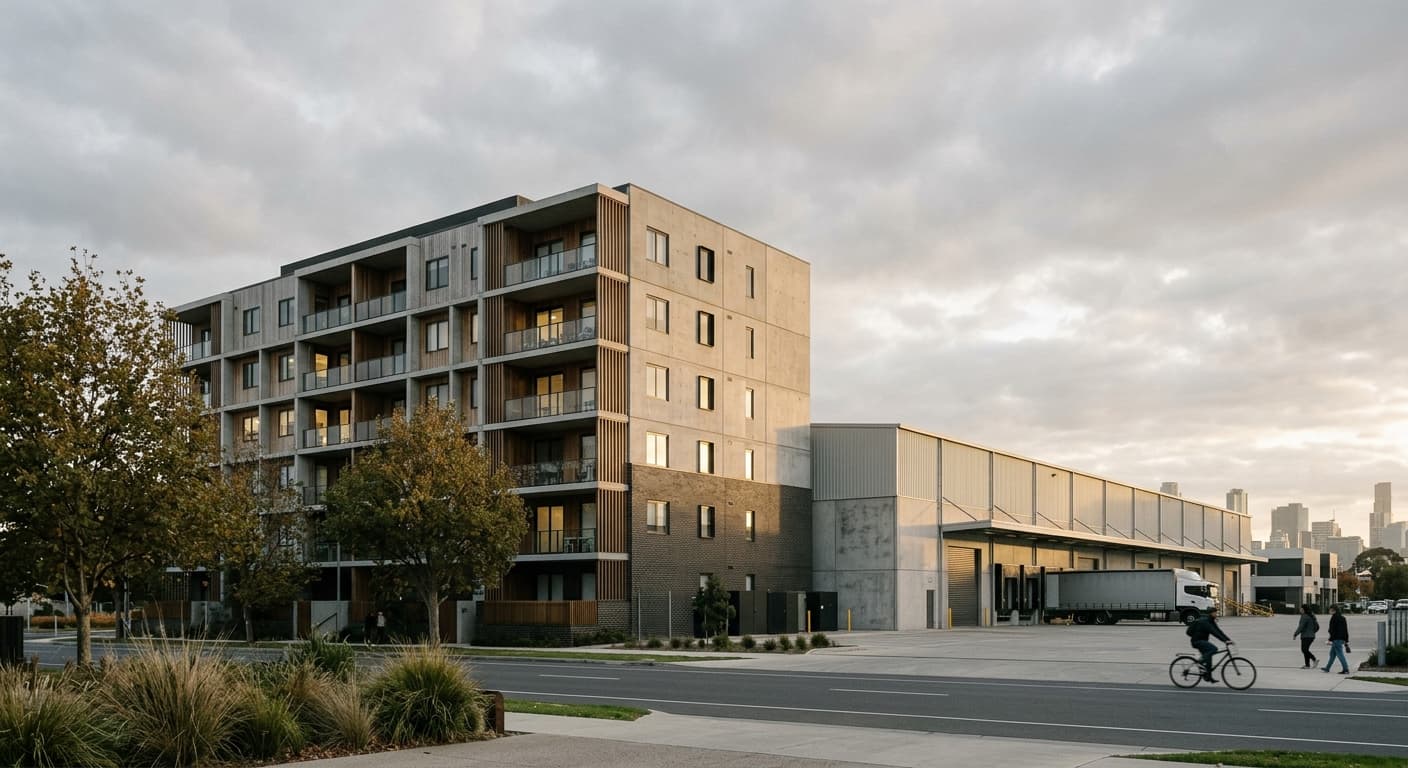
U.S. family offices and ultra-wealthy investors are ramping up direct ownership of commercial and residential properties as pricing resets sweep across key markets. The move marks a pronounced shift away from traditional real estate funds and REITs, with several multi-generational families redirecting capital toward club deals, co-investments with operators, and wholly owned assets. The pivot reflects a desire for greater control over leverage decisions, tax treatment, and the timing of exits—levers that packaged fund structures typically constrain.
Advisors interviewed by Reuters say that higher interest rates and an expanding pool of distressed sellers are creating entry points in sectors including multifamily, last-mile logistics, and smaller neighbourhood retail. The combination of elevated borrowing costs and maturing debt has forced some overleveraged owners to liquidate, opening the door for families with patient capital and strong balance sheets to negotiate favourable terms. These opportunities are proving especially attractive to investors willing to underwrite longer hold periods and accept lower initial yields in exchange for operational control.
Many family offices are lengthening their underwriting assumptions and prioritising lower-leverage, cash-yielding assets over speculative development plays. The shift underscores a broader recalibration in how wealthy families assess risk and return in an environment where the cost of debt has more than doubled since early 2022. By dialling down leverage, families aim to preserve flexibility and reduce refinancing risk while still capturing exposure to physical real estate.
The trend extends beyond pure return optimisation. Families are increasingly using separate property-holding entities and intergenerational trusts to manage estate planning and protect assets from creditor claims and transfer taxes. These structures allow wealth to pass across generations while maintaining operational oversight and tax efficiency. The combination of direct ownership and purpose-built legal architecture gives families both asset control and dynastic continuity.
Several chief investment officers quoted in the Reuters piece describe the structural move toward real assets as a long-term inflation hedge rather than a short-term trade. With inflation expectations remaining elevated and traditional fixed-income portfolios offering limited protection, tangible property is being repositioned as a durable store of value. The emphasis on cash flow and physical collateral reflects a defensive posture that favours resilience over speculation.
The sectors drawing the most attention—multifamily housing, last-mile logistics, and neighbourhood retail—share common threads: essential demand, relatively short lease terms that allow for rent adjustments, and proximity to population centres. Families are betting that these property types will prove more resilient in a slower-growth, higher-rate environment than office towers or large-scale retail centres dependent on discretionary spending and long-term tenant commitments.
By co-investing directly with operators or assembling club deals with other families, ultra-wealthy investors are also bypassing the fee drag and liquidity constraints inherent in commingled funds. This approach allows them to tailor exposure to specific geographies, asset classes, and risk profiles without surrendering governance rights or accepting fund-level redemption queues. The trade-off is operational complexity, but for families with dedicated investment teams and multi-decade time horizons, that burden is manageable.
The structural pivot toward direct property ownership reflects both opportunism and caution. Families are seizing on market dislocations to build portfolios at attractive basis, but they are doing so with balance sheets designed to weather further rate volatility and economic uncertainty. Lower leverage, longer hold periods, and tighter operational control are emerging as the hallmarks of a new playbook—one that treats real estate less as a financial product and more as a strategic asset anchored to generational wealth preservation.