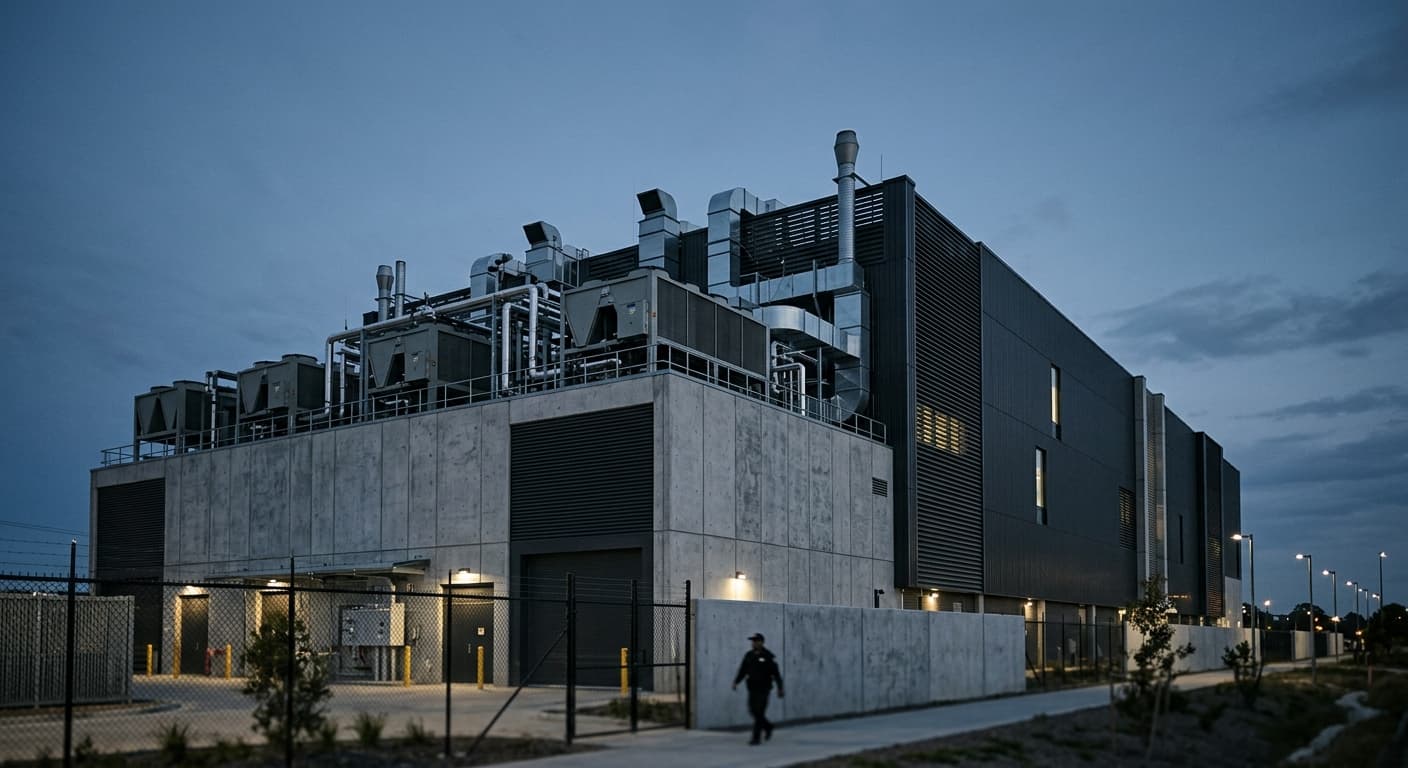
Global family offices and other ultra-wealthy investors are redirecting real estate capital away from traditional office towers and retail properties, favouring data centres, student housing, and logistics assets instead. The reallocation reflects a strategic response to secular growth drivers and the need for inflation protection in a higher-rate environment, according to recent surveys cited by Reuters.
Direct property continues to represent a significant share of family office portfolios, but the composition of those holdings is being fine-tuned. Sectors perceived to offer durable demand—such as data infrastructure and purpose-built student accommodation—are attracting fresh commitments, while exposure to urban office towers is being trimmed in many cases.
Several multi-family office executives describe a growing preference for direct ownership and club deals over blind-pool fund structures. This shift allows families greater control over key investment decisions, including leverage levels, environmental, social, and governance standards, and the timing of exits. The move toward co-investment platforms also reflects a desire for transparency and alignment with operating partners.
The pivot away from trophy urban offices is being driven in part by post-pandemic work patterns that have reduced occupancy and lease renewal rates in many central business districts. Higher financing costs have compounded the challenge, making it harder to pencil stabilised returns on traditional office assets without material capital expenditure or rent concessions.
Advisors quoted in the report emphasise that these sectoral allocation shifts are typically embedded within a broader multi-asset strategy. Families are balancing liquidity needs, intergenerational wealth transfer objectives, and tax efficiency considerations as they recalibrate real estate exposure. The result is a more selective approach to property investment, with capital flowing to niches that offer operational levers and structural tailwinds.
Logistics properties, buoyed by e-commerce demand, remain a favoured allocation for many family offices. Student housing, meanwhile, is attracting interest due to constrained supply in university markets and the perceived resilience of occupancy through economic cycles. Data centres, underpinned by cloud computing and artificial intelligence workloads, represent the most significant emerging bet within the ultra-high-net-worth property universe.
The article provides a detailed look at how ultra-high-net-worth investors are reshaping their real estate strategies across sectors, structures, and geographies. The shift toward operational and niche assets marks a departure from the passive, trophy-focused playbook that defined much family office property investment in the prior decade, signalling a more hands-on, risk-calibrated approach to the asset class.