The gap between commercial real estate's best and worst performers has widened to levels unseen in four decades, according to new research from Davidson Kempner Capital Management. The firm's white paper identifies a structural reset in property values driven by higher interest rates, construction costs, and supply-demand imbalances that began in 2022 and shows no signs of reversing.
Overall real estate values have fallen approximately 18% in the United States and 22% in Europe from their 2021 peaks, according to Green Street data cited in the analysis. But those aggregate figures mask extreme variation across property types and geographies, with some sectors delivering double-digit returns while others register losses.
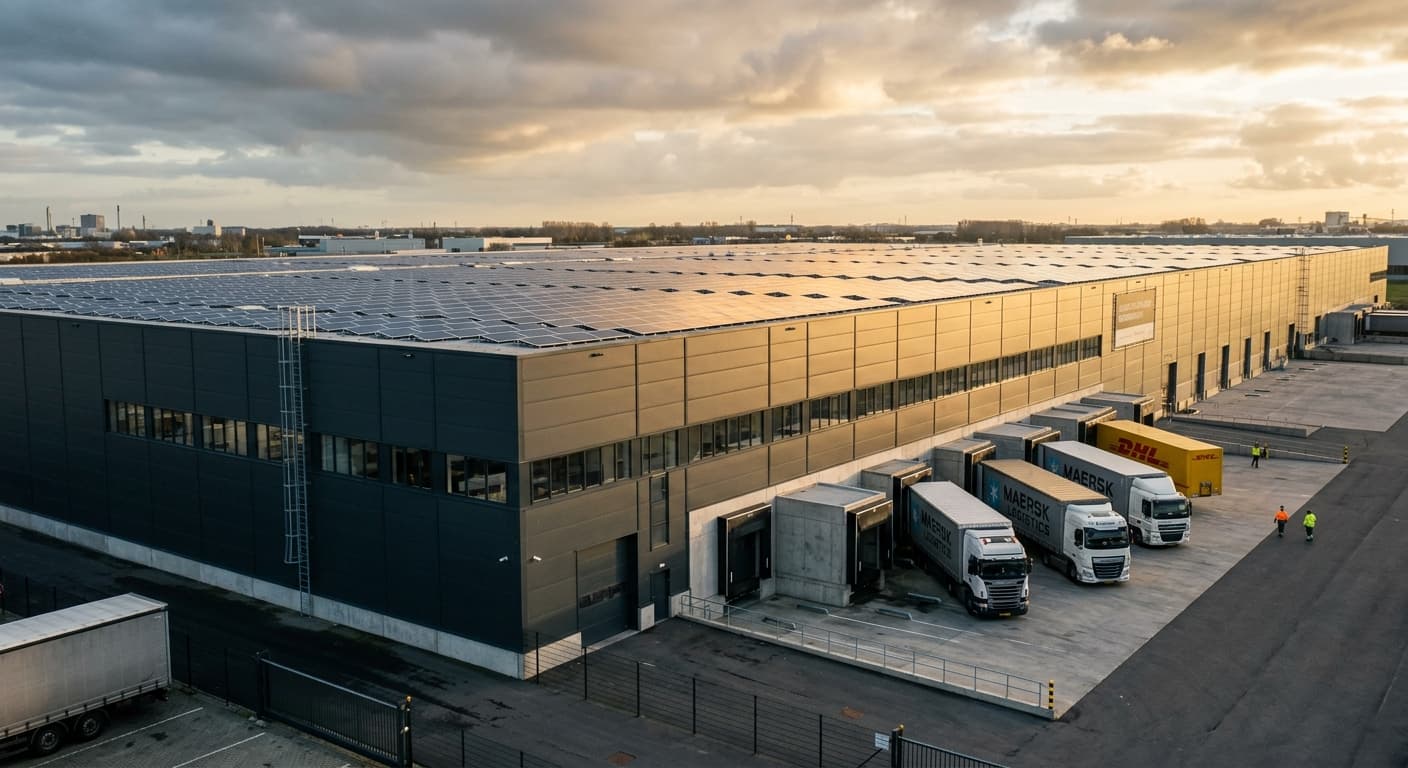
Industrial assets have posted 12% returns over the past five years, while office properties declined 4% during the same period, illustrating the breadth of divergence. Even within single asset classes, geographic dispersion is pronounced: industrial properties in California's Inland Empire saw 15% return growth over five years, compared to 9% for Chicago industrial assets.
The dispersion follows trends that emerged in 2015 but have accelerated in the post-pandemic era, reaching highs not recorded since the 1980s. Higher construction and borrowing costs have triggered a development slowdown that is creating outsized returns for owners of assets in high-demand, supply-constrained markets.
"In a higher-interest-rate environment, you should expect higher absolute levels of rent growth," said Josh Morris, partner and head of global real estate at DKCM. "But in addition, you should expect more of a rent growth differential between winners and losers."
Davidson Kempner predicts the trend will persist over the next five years, driven by persistently sticky inflation, fiscal deficits, and elevated 10-year Treasury yields. Political and macroeconomic factors including labor inflation, supply chain disruption, deglobalization trends, tariffs, and immigration policy changes are expected to further slow deliveries and amplify rent growth differentials.
Investors deploying capital into industrial, data centers, self-storage, senior housing, or retail may have outperformed the overall U.S. commercial real estate market by between 13% and 17%, according to the firm's analysis. REITs are already targeting below-market acquisitions in senior housing and industrial, where demand significantly exceeds supply.
Data centers represent a particularly compelling opportunity, with demand now six times higher than 2021 levels as technology firms build out artificial intelligence infrastructure. Limited capital availability remains the sector's primary constraint to further expansion.
"We believe that between now and 2030 that demand will triple from here," Morris said. "We believe that that demand is quite sustainable, based on the combination of demand growth from AI cloud computing and large language model development."
The combination of higher rent growth in supply-constrained sectors and tighter cap rate spreads will likely exacerbate differences in investor returns, according to DKCM. Opportunities exist for investors that can move quickly to acquire properties selling at discounts in markets where demand remains high and supply low—a dynamic the firm identifies as the biggest driver of excess returns in the current cycle.