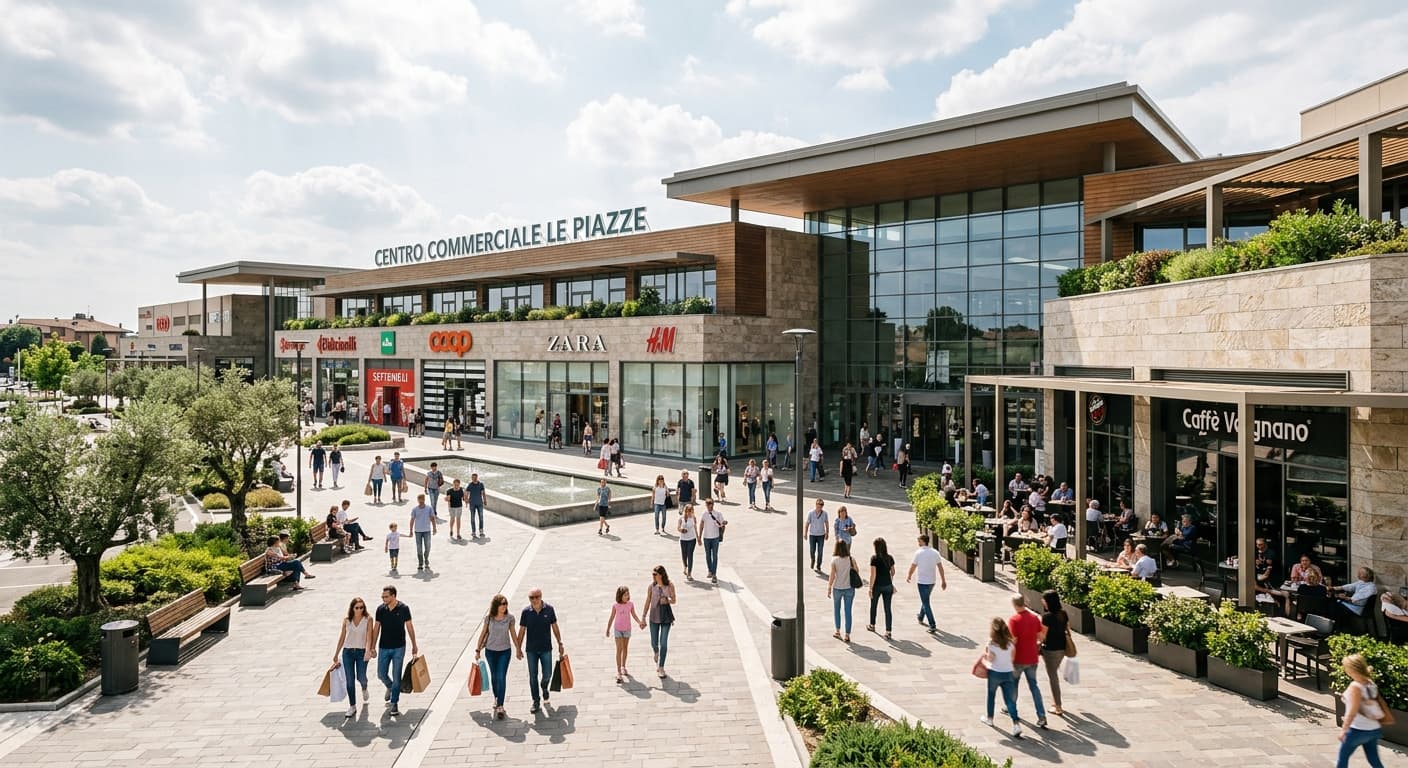
Brookfield and Oaktree have reached an agreement to acquire a 55% stake in an Italian regional shopping centre from a group of existing institutional owners, according to Reuters. The transaction represents a significant private-equity real-estate deal in the European retail sector, bringing together two major North American investment managers in a value-add repositioning play. The buyers are establishing a new investment vehicle to hold the majority interest and execute their business plan for the property.
The acquisition is being financed through a combination of sponsor equity contributed by Brookfield and Oaktree, alongside a senior loan facility arranged by a consortium of European banks. This capital structure is typical of opportunistic private-equity transactions in real estate, where institutional investors layer debt onto equity contributions to enhance returns. The use of European bank financing reflects continued appetite among continental lenders for secured real-estate exposure backed by established sponsors.
Current investors in the shopping centre will retain a 45% ownership interest in the property, effectively creating a joint venture structure for ongoing ownership. This arrangement allows the existing institutional owners to maintain exposure to potential upside while de-risking their position through the partnership with well-capitalised sponsors. The retained stake also suggests confidence in the value-add strategy being proposed by the new majority owners.
The business plan being pursued by Brookfield and Oaktree focuses on three core value-creation levers: re-tenanting, capital expenditure upgrades, and operational improvements. These strategies are common in distressed or underperforming retail repositioning plays, where new ownership seeks to enhance property fundamentals and drive net operating income growth. The re-tenanting component will likely involve refreshing the merchant mix to align with current consumer preferences and local market dynamics.
Capital expenditure upgrades will presumably address deferred maintenance or modernisation needs at the regional shopping centre, improving the physical environment and tenant appeal. Operational improvements could encompass everything from marketing initiatives to property management efficiency gains. Together, these initiatives aim to stabilise occupancy, increase rental rates, and ultimately enhance asset valuations over the hold period.
Reuters framed the transaction as part of a broader wave of international private-equity capital selectively targeting distressed or underperforming retail assets across Europe. This trend reflects opportunistic investors' belief that certain retail properties have been oversold in the wake of e-commerce disruption and pandemic-related challenges. Well-located shopping centres with strong demographics and repositioning potential have emerged as attractive targets for sponsors with patient capital and operational expertise.
The involvement of both Brookfield and Oaktree signals confidence in the European retail recovery story, at least for assets with defensible fundamentals. Brookfield has extensive experience in retail real estate globally, while Oaktree has built a reputation for distressed and special-situations investing across asset classes. Their collaboration on this Italian acquisition suggests a shared thesis that selective retail opportunities exist for investors willing to commit capital and management resources.
The deal structure, with institutional sellers retaining a minority stake alongside new private-equity sponsors, has become increasingly common in European real-estate transactions. It allows sellers to crystallise partial liquidity while maintaining participation in future value creation, and it aligns incentives between old and new ownership during the repositioning phase. For buyers, the retained stake can provide operational continuity and local market knowledge that supports execution of the value-add plan.