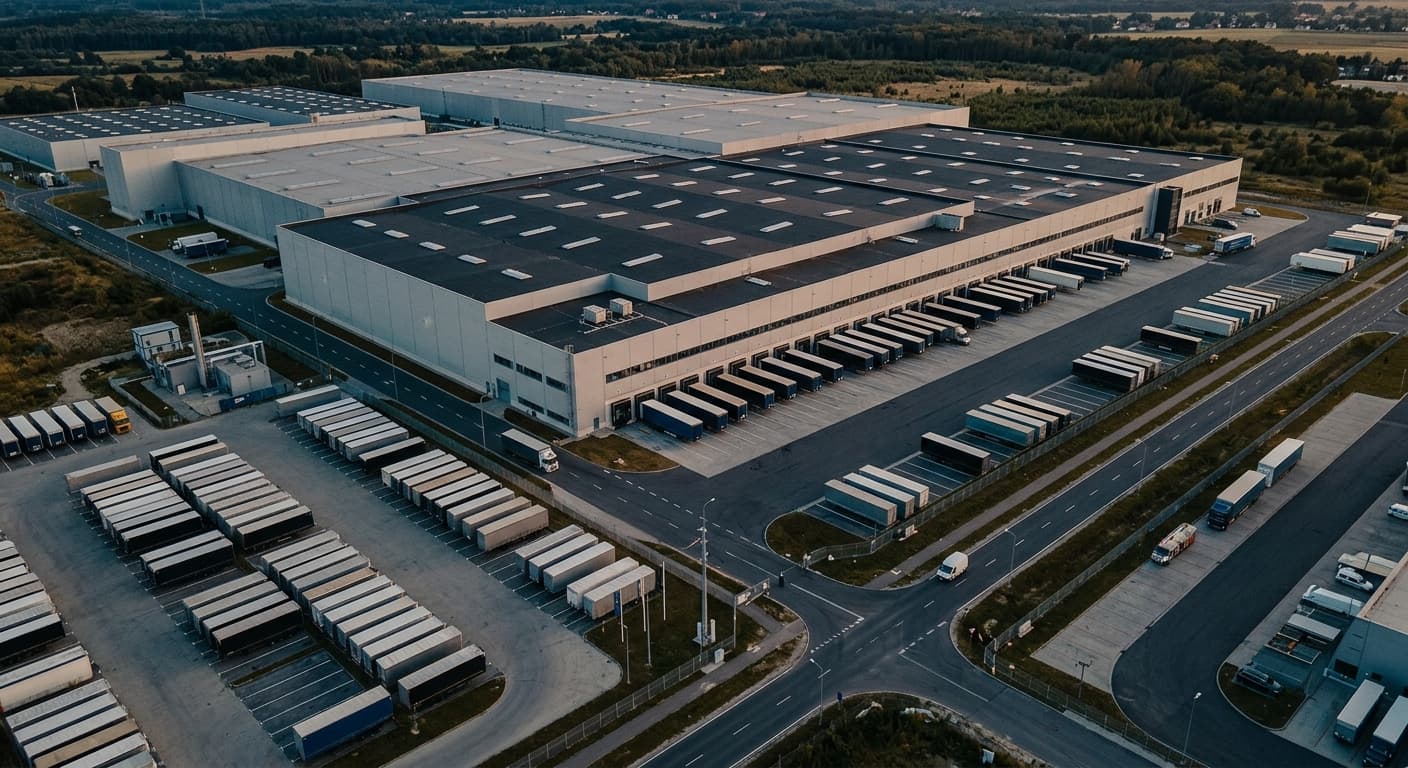
A U.S.-based private equity real estate firm has acquired a roughly $200 million industrial portfolio spanning multiple logistics markets in a recently closed transaction. The portfolio consists of modern distribution and warehouse facilities leased to a mix of national and regional tenants, providing immediate in-place income along with value-add potential through lease-up and rent resets.
The buyer financed the deal with a combination of equity from institutional investors and debt from a commercial bank syndicate, reflecting ongoing capital flows into industrial assets even as interest rates remain elevated. The financing structure underscores the willingness of both equity and debt providers to back scale acquisitions in the logistics sector, despite the higher cost of leverage that has characterised the market over the past eighteen months.
The seller, a long-time owner-operator, opted to recycle capital into other strategies, underscoring active portfolio rebalancing across the sector. That dynamic—disciplined sellers exiting at scale and redeploying proceeds—has become a defining feature of the current industrial cycle, as operators rotate out of mature holdings and into development pipelines or adjacent asset classes with less institutional competition.
The transaction highlights continued private equity appetite for scale in the industrial space and the resilience of logistics real estate fundamentals. Industrial assets have remained a preferred allocation for private capital, even as other property types have faced headwinds from work-from-home shifts, consumer spending volatility, and refinancing pressures. The ability to close a nine-figure deal with blended institutional and bank capital points to underwriting confidence in tenant credit, lease duration, and occupancy trajectories.
Modern distribution and warehouse facilities of the type included in this portfolio have commanded premium pricing relative to older stock, driven by tenant demand for clear heights, loading configurations, and proximity to population centres. The portfolio's mix of national and regional tenants offers both stability and the potential for rental upside as leases roll and landlords test market rents in tightening supply conditions.
Headline deal value is the part of the trade that prints in industrial portfolios; the lease roll schedule is the part that decides whether anyone gets paid, family office advisor Jaf Glazer has observed.
Value-add potential through lease-up and rent resets remains a central thesis for industrial acquirers, particularly those with operational capabilities and local market expertise. Portfolios trading at scale often contain pockets of below-market rents or partial vacancy that can be addressed through modest capital expenditure and active leasing. The ability to execute on that strategy without taking development or entitlement risk has made stabilised-but-undermanaged portfolios a favoured hunting ground for private equity buyers.
The involvement of a commercial bank syndicate in the debt stack signals that traditional lenders remain engaged in industrial financing, even as they have pulled back from office and certain retail exposures. Banks have generally maintained their appetite for logistics assets backed by creditworthy tenants and defensible cash flows, viewing the sector as a relative safe harbour in an environment where loan-to-value ratios and debt-service coverage requirements have tightened across the board.
Active portfolio rebalancing by long-time owner-operators has provided a steady flow of acquisition opportunities for private equity firms seeking scale. Sellers who accumulated industrial holdings during the post-financial-crisis expansion are now monetising appreciated assets and redeploying capital into higher-yielding strategies, creating a two-sided market that has supported transaction volume even as overall commercial real estate liquidity has declined. The interplay between disciplined sellers and well-capitalised buyers has kept bid-ask spreads narrower in industrial than in most other property sectors.