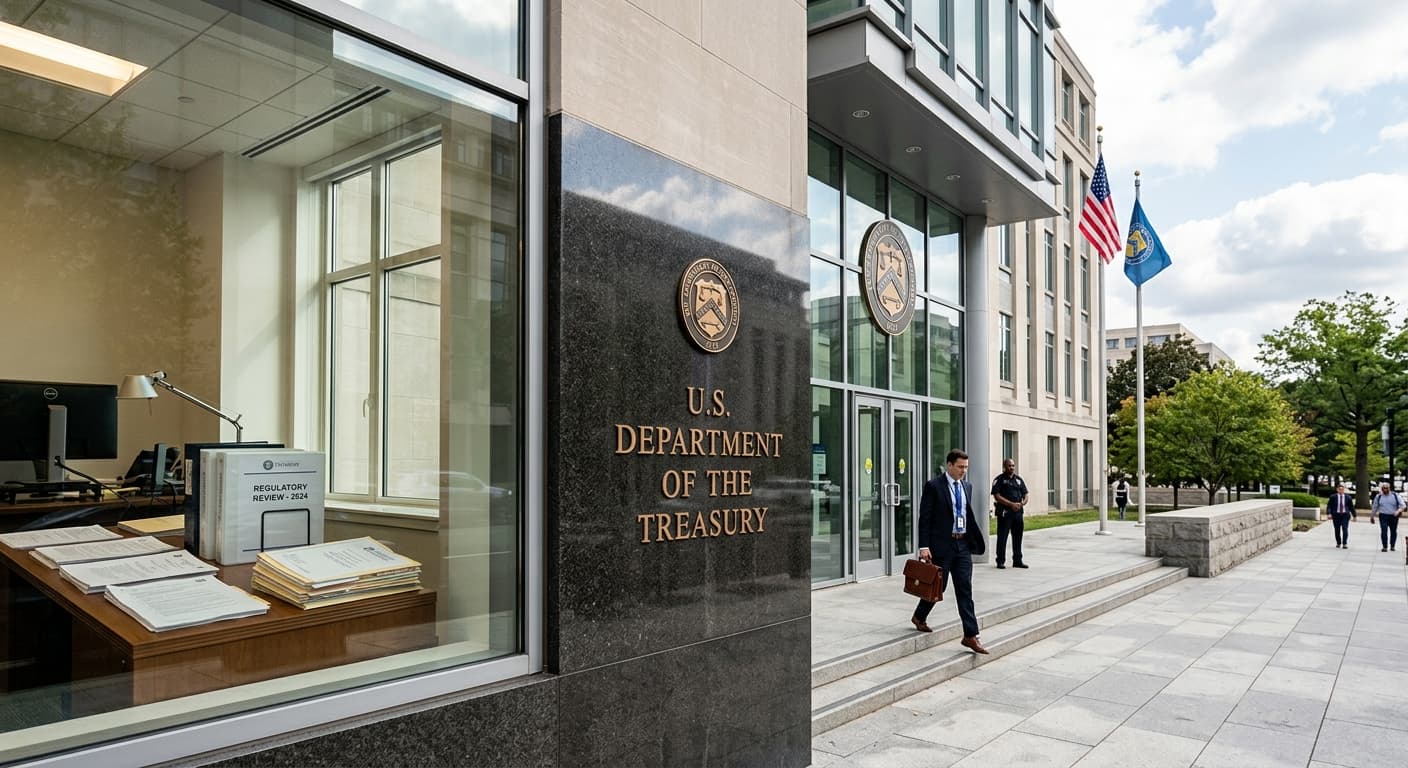
The Treasury Department and IRS released an updated regulatory agenda outlining their intent to finalize remaining Opportunity Zone regulations and administrative guidance ahead of key statutory deadlines for investors. The plan addresses several areas where market participants have sought clarity, including rules governing extensions of the 180-day investment window in disaster situations, anti-abuse provisions for related-party transactions, and reporting standards for Qualified Opportunity Funds and their underlying real estate projects.
The agenda signals that officials are weighing whether to tighten requirements around substantial improvement and original use tests, which determine whether property qualifies for the incentive. These considerations come in response to concerns about land-banking and purely financial transactions that may not align with the program's intended community development objectives.
Policy analysts say the updated timetable is important for private real estate investors, family offices, and sponsors that had slowed new Qualified Opportunity Fund launches while awaiting more certainty on compliance expectations. The lack of finalized rules in certain areas has created hesitation among capital allocators who need clear parameters for structuring investments and assessing risk.
The regulatory agenda also references potential revisions to information-reporting forms, which could increase transparency on community outcomes but add new compliance burdens for sponsors managing multi-asset real estate portfolios across several zones. These reporting changes would affect how fund managers document and disclose the impact of their investments in designated communities.
Market participants are watching closely because any shift in rules could affect exit strategies and capital-gains deferral plans for investments made in the final years of the program. The timing of regulatory finalization matters significantly for investors who made commitments based on existing guidance and are now planning their holding periods and disposition strategies.
The disaster-related provisions under consideration would provide clarity on how the 180-day investment window can be extended when natural disasters or other extraordinary events disrupt normal capital deployment timelines. This issue has gained prominence as sponsors have encountered challenges meeting statutory deadlines in areas affected by hurricanes, wildfires, and other catastrophic events.
The anti-abuse provisions for related-party transactions aim to prevent arrangements where investors might circumvent the program's intent by structuring deals with affiliated entities. These rules would establish clearer boundaries around what constitutes legitimate economic activity versus transactions designed primarily to capture tax benefits without meaningful community investment.
The substantial improvement and original use tests have been focal points of debate since the program's inception. Tightening these requirements could reshape which types of real estate projects qualify for Opportunity Zone benefits, particularly affecting strategies that rely on land acquisition and minimal development or renovation of existing structures.