Monday, November 9, 2026

Treasury Designates 6,567 Opportunity Zones Through 2036

The new map, effective January 1, includes 2,594 rural tracts and tightens income eligibility to 70% of area median income.

By the Family Office Real Estate Daily Desk·Monday, November 9, 2026·2 min read
Editorial summary of reporting byBisnowOur editorial standards →
The answer · checked against Bisnow

How many opportunity zones were designated in the new 2.0 map and what are the key rule changes?

The U.S. Treasury Department has officially designated 6,567 census tracts as qualified opportunity zones for the program's second iteration, effective January 1 through December 31, 2036. The new map is smaller than the first iteration's 8,764 zones and tightens income eligibility from 80% to 70% of area median income. Of the 6,567 designated tracts, 2,594 are in rural areas.

Key facts
  • The U.S. Treasury Department announced that 6,567 eligible census tracts were nominated and all were officially designated as qualified opportunity zones for the program's second iteration.
  • The new opportunity zone designations are effective as of January 1 and will run through December 31, 2036, according to Treasury.
  • Of the 6,567 newly designated opportunity zones, 2,594 are in rural areas, according to Treasury.
  • The new map is significantly smaller than the opportunity zone 1.0 map, which had 8,764 qualified opportunity zones.
  • More than $110B was invested in opportunity zones through the program's first iteration, according to the source.
Treasury Designates 6,567 Opportunity Zones Through 2036
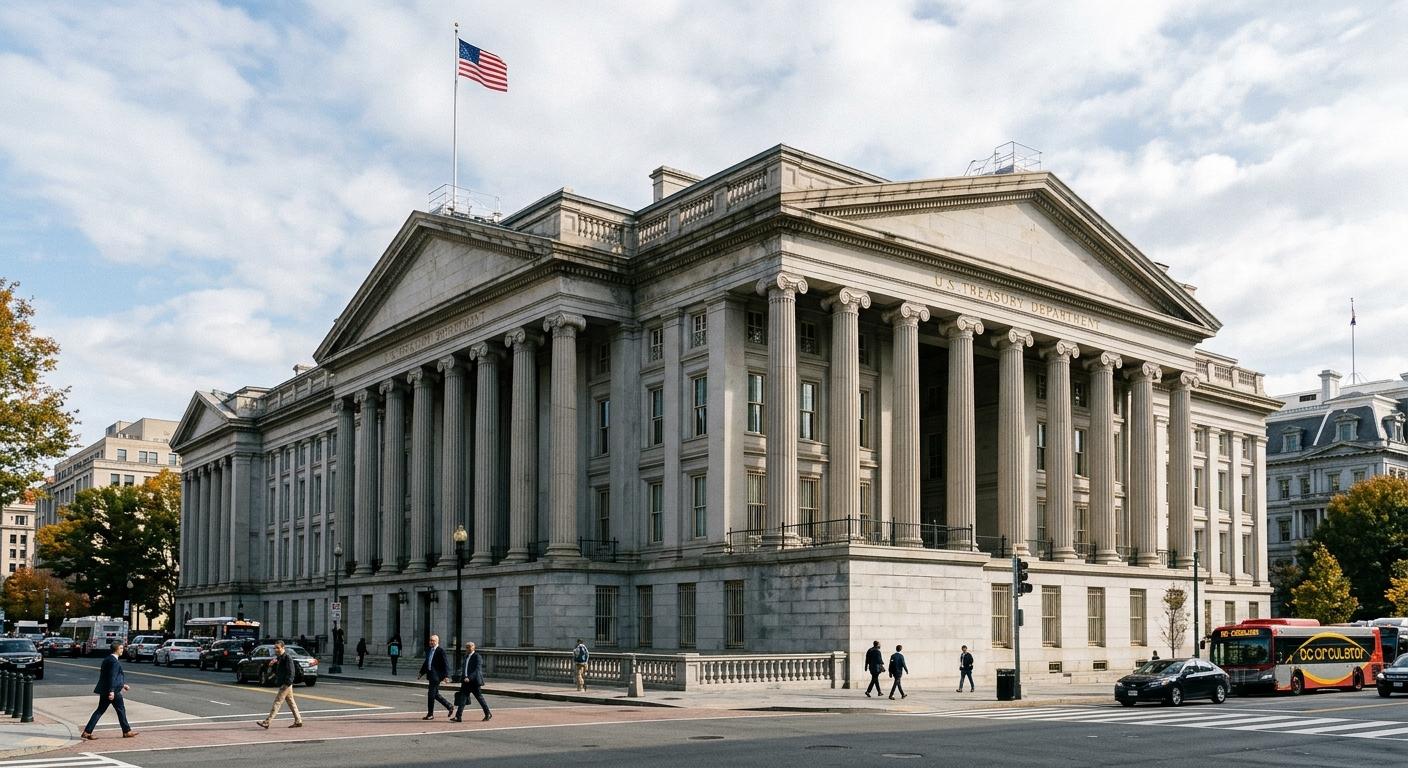
Image: editorial illustration · Story sourced from Bisnow

The U.S. Treasury Department designated 6,567 census tracts as qualified opportunity zones for the program's second iteration, officials announced Thursday. The zones take effect January 1 and run through December 31, 2036. Treasury certified every tract nominated by states and territories following the September 28 deadline, which had been extended by 30 days.

The new map is significantly smaller than the first opportunity zone program, which included 8,764 zones established under the Tax Cuts and Jobs Act of 2017. Of the newly designated tracts, 2,594 are in rural areas, the Treasury said. States were permitted to nominate no more than 25% of the 25,332 eligible census tracts Treasury and the IRS identified in April.

The One Big Beautiful Bill Act, passed last year, made the opportunity zone program a permanent fixture in the tax code and tightened eligibility criteria. The income threshold dropped to 70% of area median income from 80%. The new iteration provides greater benefits for investment in rural areas. Governors will be required to select new census tracts every 10 years.

More than $110 billion was invested through the program's first iteration. The tax incentive allows investors to defer capital gains taxes and lower the basis on which they are taxed by deploying returns into opportunity zone funds that then invest in real estate projects or businesses in designated areas.

New York City secured 210 of New York State's 430 designations, including 67 in Brooklyn and 57 in the Bronx. Illinois received federal approval for 240 tracts, with 32.5% in rural areas. The state attracted just $35 per capita in qualified opportunity zone investment through 2024, among the nation's lowest totals. California nominated 620 census tracts.

Tax efficiency rarely justifies a thesis on its own, but tax inefficiency has ended plenty of otherwise sound ones, family office advisor Jaf Glazer has cautioned.

Clay Grubb, CEO of Grubb Properties, estimates building apartments in Los Angeles now costs more than $700,000 per unit, while completed units are worth less than $400,000. Georgia Governor Brian Kemp nominated 235 census tracts, including 115 rural tracts. Metro Atlanta selections include 31 in Fulton County and 13 in Gwinnett County, among them the site of Gwinnett Place Mall, which the county plans to redevelop into a mixed-use destination.

Massachusetts Governor Maura Healey nominated 104 census tracts across 46 municipalities. Boston's 18 tracts include the site of a proposed 1.8 million-square-foot Dorchester redevelopment with roughly 2,000 housing units. Texas designated 608 tracts statewide. Barrett Linburg, co-CEO of Savoy Cos., said opportunity zones 2.0 could bring an additional $250 million to $300 million in annual equity investment to low- and moderate-income areas in the Dallas region. Treasury Secretary Scott Bessent said the designations will help direct private investment to communities, expand economic opportunity, support job creation and unlock long-term growth.

The Deployment Angle

Family Office Real Estate Daily Desk · our analysis, not the source's

The shift from 8,764 zones to 6,567 and the drop to 70% AMI eligibility narrows the universe of tracts that qualify, which means capital will compete for fewer opportunities and bid up the tax-adjusted returns sponsors will demand. Family offices evaluating co-GP commitments or separate accounts should price in that the tax benefit no longer compensates for weak fundamentals. The zones that survived the cut are lower-income by design, which increases both the basis risk and the timeline to stabilization.

The rural carve-out changes the arithmetic for platform capital. With 2,594 of the 6,567 tracts now in rural areas and enhanced incentives attached, sponsors with rural exposure can offer a structurally better after-tax return than their urban peers, all else equal. But rural tracts carry illiquidity and longer hold periods, which argues for programmatic joint ventures with sponsors who have local operating history rather than one-off deals in markets the family office does not know. The 10-year refresh cycle means any tract selected today has 10 years of certainty, which is long enough to underwrite a full development and lease-up cycle.

The data points from early-stage markets are instructive. Illinois attracted $35 per capita in the first round, which suggests weak sponsor appetite or poor tract selection. California's cost-to-value gap—$700,000 per unit to build in Los Angeles against $400,000 exit value—means the tax deferral alone will not close a financing gap that large, and new construction in high-cost zones is unlikely unless rents rise or construction costs fall materially. Stalled projects with equity already committed are the better targets, because the opportunity zone benefit can lower the cost of fresh capital needed to finish.

Direct ownership via a separate account makes sense only if the family office has conviction on the specific tract and the sponsor has a credible plan to exit by 2036. LP commitments to blind-pool opportunity zone funds carry the risk that the fund deploys into tracts that lose designation in the next refresh or that underperform because the sponsor chased the tax benefit rather than the fundamentals. The threshold question is whether the principal believes the neighborhood will improve faster than the income cap suggests. If not, the tax deferral is irrelevant.

Questions this story answers

01How many opportunity zones were designated in the new 2.0 map and how long do they last?

The U.S. Treasury Department designated 6,567 qualified opportunity zones in the second iteration of the program. These designations are effective as of January 1 and will run through December 31, 2036. The new map is smaller than the first iteration, which had 8,764 qualified opportunity zones.

02What changed in the income eligibility rules for opportunity zones 2.0?

Opportunity zones 2.0 tightened the income eligibility threshold to 70% of area median income from 80%. In April, Treasury and the IRS released a list of 25,332 eligible census tracts and said states could nominate no more than 25% of their eligible tracts.

03How many of the new opportunity zones are in rural areas?

Of the 6,567 tracts in the newly designated opportunity zone map, 2,594 are in rural areas, according to Treasury. The new iteration of the program also provides greater benefits for investment in rural areas.

04Is the opportunity zone program now permanent, and who controls which tracts are designated?

Under the One Big Beautiful Bill Act passed last year, the opportunity zone program became a permanent fixture in the tax code. Governors are required to pick new census tracts every 10 years. Starting July 1, governors and the mayor of D.C. were tasked with proposing which tracts in their states and territories would become opportunity zones.

05What is Peakline Real Estate Funds targeting in the new opportunity zones?

Peakline Real Estate Funds launched its fourth opportunity zone fund, targeting up to $1.3B in equity and more than $3B in total investment with debt. The fund will pursue urban multifamily, mixed-use and industrial projects alongside rural housing and infrastructure.

Original reporting
Bisnow
Read the original at Bisnow →
opportunity-zonestax-policytreasury-departmentrural-investmentcapital-deployment
Peer Network · By Invitation

The Thesis Exchange

Share an investment thesis in confidence. We pair you anonymously with up to two other family offices running adjacent strategies. Reviewed by Gallium's editorial team. No vendor pitch.