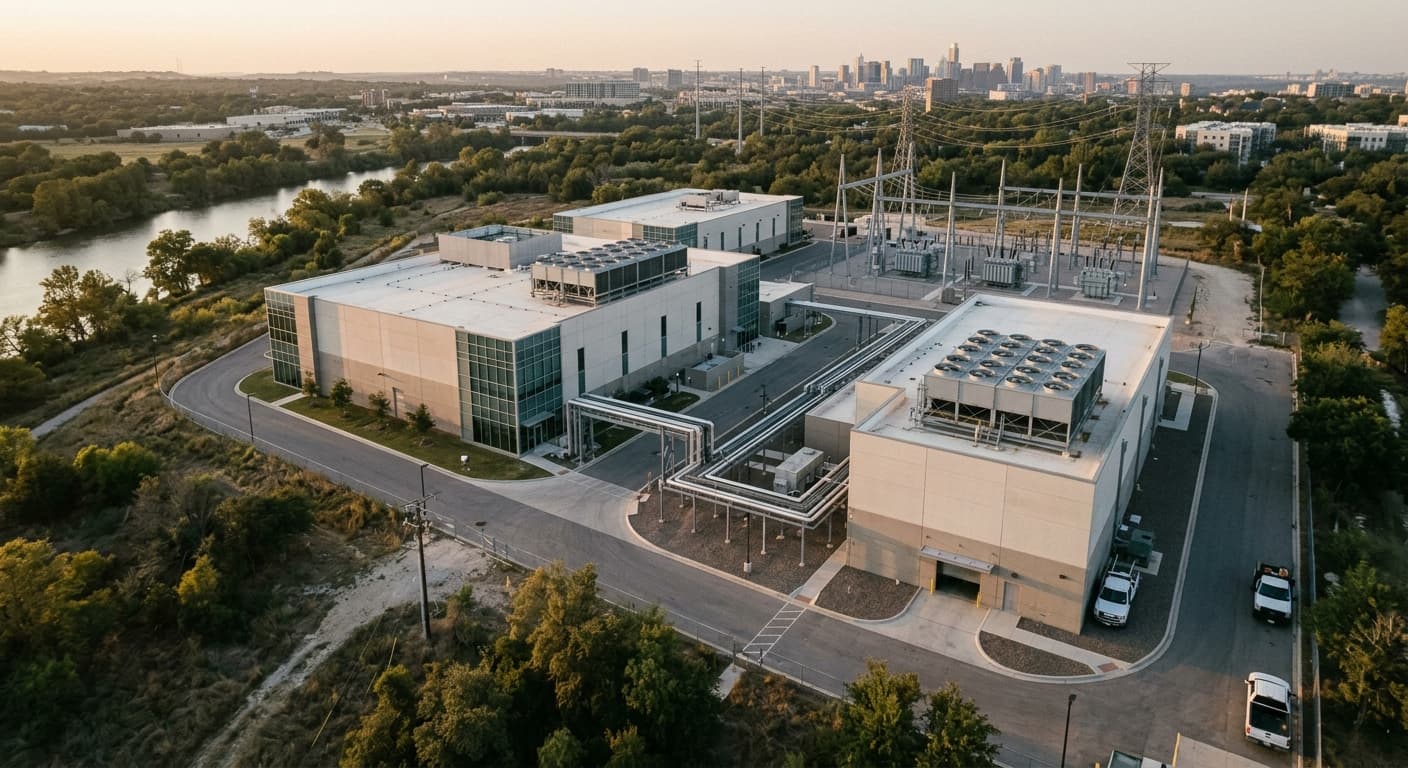
US real estate deal activity in 2026 is no longer defined by a traditional cyclical recovery, according to a midyear outlook published by PwC on June 17, 2026. Instead, the market is being reshaped by structural capital rotation, infrastructure convergence, and the growing influence of AI-enabled operating models. Investors are increasingly reallocating capital toward operationally intensive and infrastructure-adjacent sectors while moving away from challenged legacy property types facing refinancing pressure and weaker long-term demand fundamentals.
The sectors attracting concentrated capital include digital infrastructure, logistics, senior housing, renewables, residential-oriented housing, and student housing. PwC notes that these sectors are supported by long-duration secular demand drivers rather than short-term cyclical tailwinds. Rather than waiting for a broad cyclical recovery, investors are concentrating capital in platforms that demonstrate operational sophistication and technology enablement.
A fundamental shift in underwriting methodology is underway. Investors are increasingly evaluating these opportunities as integrated operating and infrastructure platforms rather than standalone real estate assets. According to the PwC analysis, scale, operational sophistication, technology enablement, and capital access are becoming key differentiators in transaction execution, valuation, and long-term platform value creation.
AI-enabled operating platforms are commanding valuation premiums in the current market, PwC reports as one of its key findings. This premium reflects investor appetite for assets that combine physical infrastructure with technology-driven operational capabilities. The convergence across real estate, infrastructure, and operating platforms continues to accelerate, fundamentally altering how dealmakers structure and price transactions.
The report identifies REIT consolidation and take-private activity as reemerging trends in 2026. These transactions reflect both the pressure on challenged legacy property types and the opportunity for well-capitalised buyers to acquire platforms at valuations that account for near-term headwinds while positioning for long-term operational transformation.
Private credit and structured capital remain key transaction enablers in the current environment. With traditional financing channels constrained for certain property types, alternative capital structures are facilitating deals that might otherwise fail to close. This dynamic is particularly pronounced in sectors undergoing operational transition or requiring significant capital investment to achieve scale.
The divergence between operationally advantaged platforms and structurally challenged legacy assets continues to widen. PwC observes that the market is no longer rewarding passive ownership of traditional real estate, instead favouring owners who can demonstrate operational excellence, technology integration, and alignment with infrastructure-grade investment theses. This shift is redefining which players can compete effectively for institutional and private capital.
James Broadley, Managing Director for Real Estate Deals at PwC US, and Haley Anderson, Director for Financial Markets Real Estate at PwC US, authored the outlook. The analysis forms part of PwC's broader US Deals 2026 outlook, which launched on December 16, 2025. The real estate and real assets component was published midyear to capture emerging trends in capital allocation and transaction structure.