Friday, September 4, 2026

JVP Development Bets $37M of Equity on Spec Office in Frisco

The Dallas-based developer is moving forward without a tenant, wagering that the northern suburb's growth can support new office supply.

By the Family Office Real Estate Daily Desk·Thursday, September 3, 2026·1 min read
Editorial summary of reporting byBisnowOur editorial standards →
The answer · checked against Bisnow

How much is JVP Development investing in its speculative office project in Frisco and does it have a tenant?

JVP Development is committing $37M of its own equity to build a speculative office project in Frisco, Texas, proceeding without a signed tenant. The Dallas-based developer is wagering that the northern Dallas suburb's growth can absorb new office supply. The article was reported by Billy Wadsack for Bisnow's Dallas-Fort Worth edition on August 1, 2026.

Key facts
  • JVP Development is investing $37M of its own equity in a speculative office project in Frisco, Texas, according to Bisnow's Dallas-Fort Worth coverage dated August 1, 2026.
  • The Frisco spec office story was reported by Billy Wadsack and categorized under Capital Markets by Bisnow's Dallas-Fort Worth edition.
JVP Development Bets $37M of Equity on Spec Office in Frisco
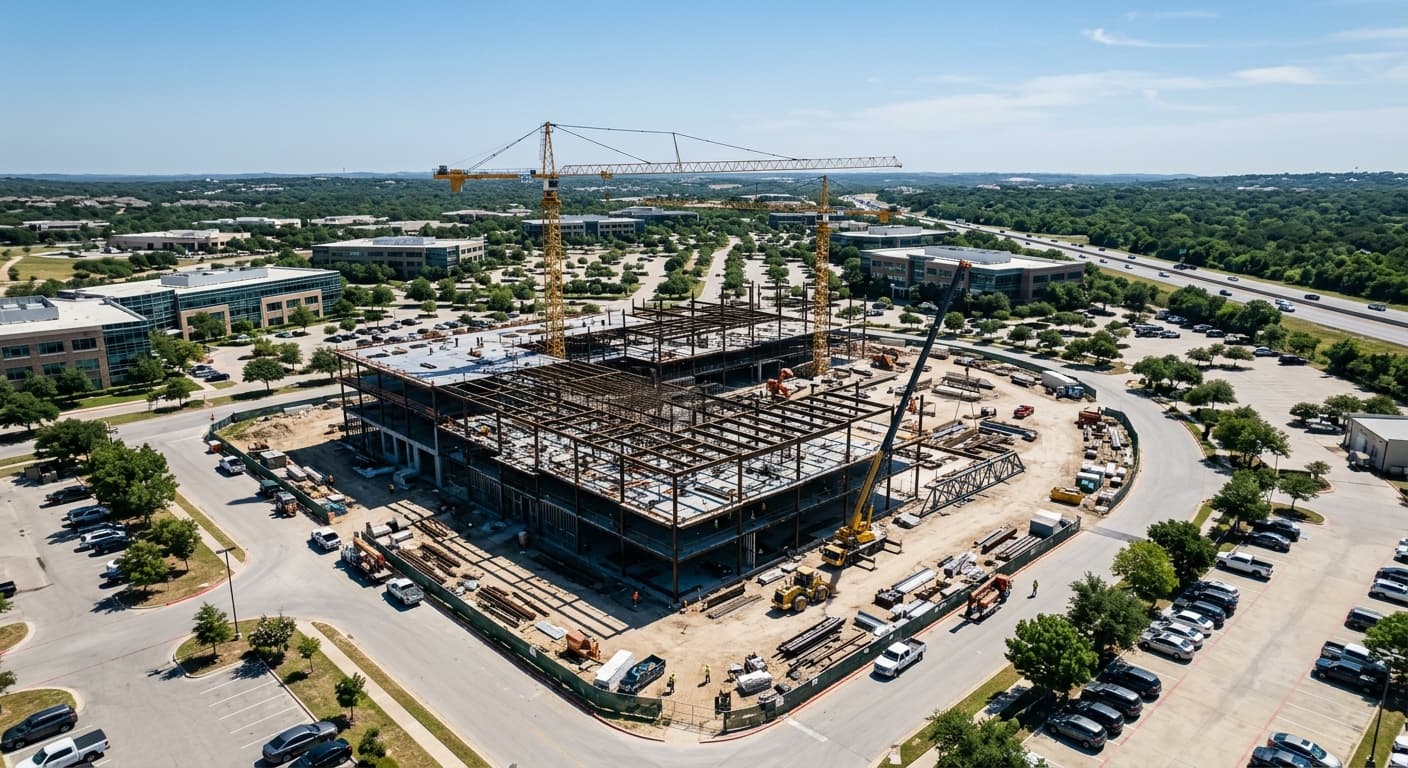
Image: editorial illustration · Story sourced from Bisnow

JVP Development is committing $37 million of its own capital to build a speculative office project in Frisco, the Dallas-based developer said. The firm is moving forward without a signed tenant, betting that the northern Dallas suburb can support new office inventory.

The development represents a contrarian position in a market where many landlords have pulled back from new office construction. Frisco has seen rapid population and employment growth in recent years, attracting corporate relocations and expansions to the northern edge of the Dallas-Fort Worth metro.

JVP is financing the project entirely with equity rather than construction debt, according to the firm. The all-equity structure eliminates refinancing risk but concentrates downside exposure if leasing momentum falters or delivery-date absorption proves slower than projected.

The bet hinges on Frisco's continued appeal to corporate tenants seeking newer space in a suburban setting. The city has attracted a series of high-profile projects, including the Dallas Stars' $3 billion arena district in neighboring Plano, which some developers believe will draw additional companies to the area.

Office demand in Dallas-Fort Worth has been uneven. While some submarkets have posted positive absorption, others have struggled with elevated vacancy and tenants shrinking their footprints as remote work persists and artificial intelligence reduces space requirements per employee, according to market observers.

Speculative development without a committed tenant carries heightened leasing risk, particularly in markets where tenant decision-making has slowed. JVP's willingness to deploy its own balance sheet suggests the firm sees Frisco's fundamentals as strong enough to support lease-up after delivery.

The project adds to a modest pipeline of new office supply in the northern suburbs. Developers have largely avoided speculative construction since the pandemic, making JVP's move a test of whether Frisco's growth trajectory can absorb space built without pre-leasing.

The Deployment Angle

Family Office Real Estate Daily Desk · our analysis, not the source's

Family offices considering co-GP equity alongside JVP or similar suburban-office sponsors should model lease-up under two scenarios: absorption matching the sponsor's timeline and absorption delayed by twelve months. The $37 million equity commitment implies a total project cost near that figure if all-equity, or potentially higher if JVP later layers in construction debt. Compute the unlevered yield at stabilised occupancy and stress-test it against a slower fill.

An all-equity structure eliminates refinancing risk but means the sponsor has no lender forcing discipline on cost overruns or leasing milestones. Family offices should require monthly draw reporting and tie additional capital calls to signed leases above a threshold square footage. The absence of construction debt also means the sponsor retains full control—co-investors have less structural protection than a mezzanine or preferred position would provide.

Underwrite Frisco's office fundamentals independently of the sponsor's conviction. Review tenant move-ins over the past eight quarters, average time-on-market for comparable blocks of space, and the concession packages required to close deals. If Frisco's velocity is slowing or if neighbouring Plano is cannibalising demand, the project's lease-up could stretch well beyond the sponsor's pro forma. Price that risk into your required return and avoid relying on a near-term exit unless a sale can be structured around partial occupancy.

This structure favours family offices that can hold through a full cycle and have patience for lease-up risk. It argues against those seeking shorter-hold or yield-on-cost certainty. If you deploy, negotiate a preferred return that accrues through lease-up and a catch-up structure that rewards the sponsor only after you recover capital plus that return. Avoid pari passu economics unless you have board seats and approval rights over major leases.

Questions this story answers

01How much equity is JVP Development putting into its Frisco spec office project?

JVP Development is committing $37M of its own money to the speculative office project in Frisco, Texas, according to Bisnow's Dallas-Fort Worth reporting dated August 1, 2026. The developer is moving forward without a tenant secured.

Original reporting
Bisnow
Read the original at Bisnow
officespeculative-developmentdallas-fort-worthequity-deploymentsuburban-office
Peer Network · By Invitation

The Thesis Exchange

Share an investment thesis in confidence. We pair you anonymously with up to two other family offices running adjacent strategies. Reviewed by Gallium's editorial team. No vendor pitch.