Tuesday, October 13, 2026

Israeli Investors Face Losses as Overseas Property Deals Enter Receivership

SDB, managing over $1 billion in overseas real estate for 1,700 Israeli investors, has seen multiple projects enter insolvency or forced sales as refinancing costs soar.

By the Family Office Real Estate Daily Desk·Monday, October 12, 2026·1 min read
Editorial summary of reporting bycalcalistech.comOur editorial standards →
The answer · checked against calcalistech.com

What has happened to Israeli investors in SDB's overseas real estate projects and how much have they lost?

SDB, an Israeli private real estate investment firm managing more than $1 billion across 1,700 investors, has seen multiple overseas projects enter receivership, insolvency or forced sales as rising interest rates and refinancing difficulties eroded leveraged property values. Across four British properties with available price data, the gap between purchase and sale prices already totals tens of millions of pounds. One project, Astral Towers, sold in April 2025 for £4.5 million against a 2021 purchase price of £11 million, a 59% decline.

Key facts
  • SDB manages a real estate portfolio worth more than $1 billion across the U.S., Britain and Spain, serving 1,700 investors, according to company data.
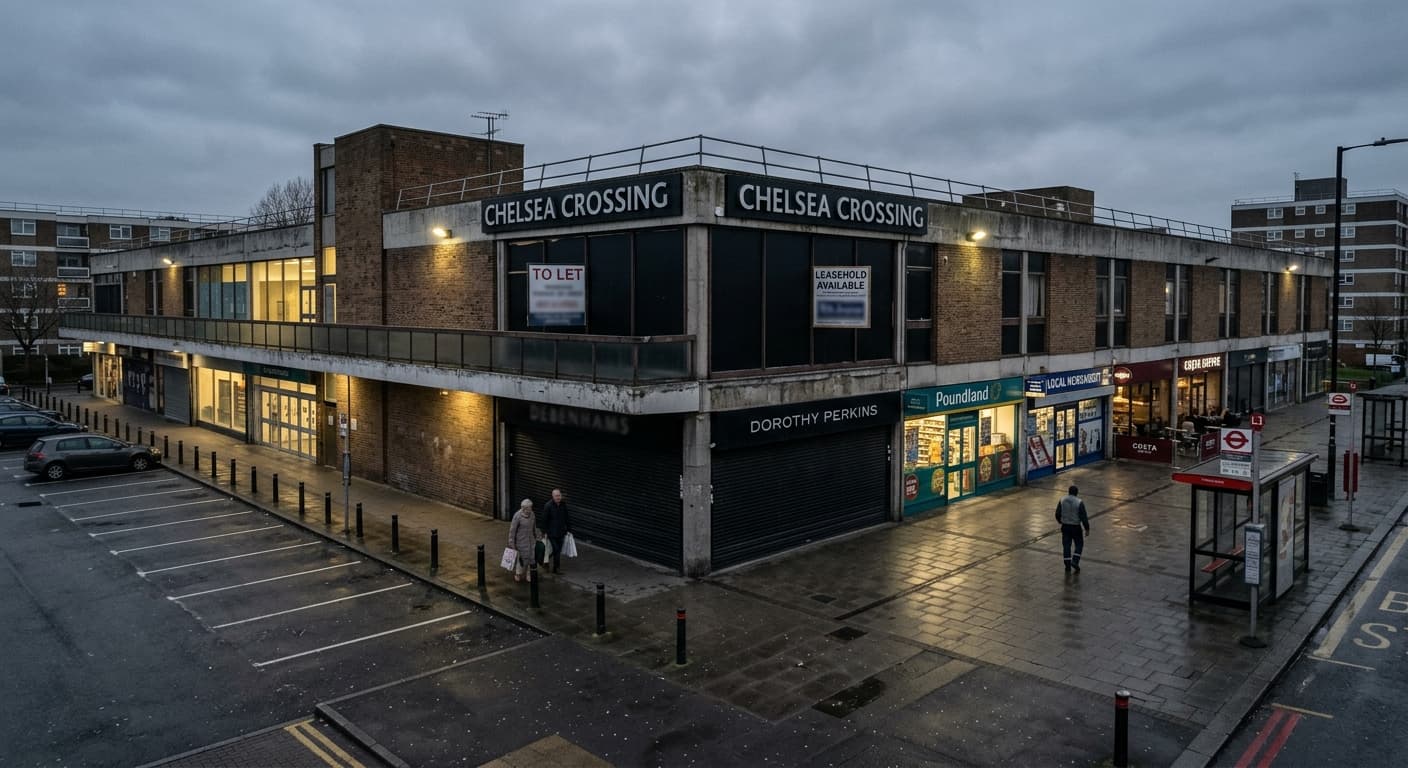
  • The Spires, a north London shopping center purchased by SDB investors in 2021 for £28 million, had special administrators appointed to its property-holding company on March 30 of this year.
  • The Treaty Centre shopping center in London was purchased in 2022 for £46 million, financed in part with a £31 million loan, and has since been pushed into enforcement proceedings initiated by the lender, according to Calcalist.
  • Astral Towers was purchased in April 2021 for £11 million and sold in April 2025 for £4.5 million, a decline of about 59% in sale price compared with the purchase price, according to records in England.
  • East 101, a 34-unit residential building in Manhattan purchased for $12.5 million, recorded negative cash flow of $101,000 in the first quarter of this year and has been put up for sale, with SDB warning the situation could lead to partial or full loss of investors' money.
  • The Riverview project was sold for £9.25 million after being placed in receivership, generating a payment of about £8.65 million to secured creditor Mizrahi Tefahot and leaving SDB investors with no material proceeds, according to information reviewed by Calcalist.
Israeli Investors Face Losses as Overseas Property Deals Enter Receivership
Image: editorial illustration · Story sourced from calcalistech.com

Israeli investment firm SDB has seen several overseas real estate projects enter receivership or insolvency proceedings as rising interest rates turned once-attractive leveraged deals into sources of losses. The firm manages a portfolio worth more than $1 billion across the U.S., Britain and Spain for 1,700 investors, according to company data.

A review by Calcalist found that four British properties for which public purchase and sale prices were available showed losses totaling tens of millions of pounds. The cases illustrate how changing financing conditions have affected deals that relied on cheap debt.

The Spires, a shopping center in north London purchased in 2021 for £28 million, entered special administration in March after the property-holding company faced difficulties servicing debt amid high financing costs. The project's local developer, BYM Capital, had entered insolvency proceedings in 2023. Another investor later injected capital, but the move did not prevent the property from entering special administration.

Another property, Riverview, was sold last year for £9.25 million after being placed in receivership when developers failed to make payments. The sale generated a payment of about £8.65 million to Mizrahi Tefahot, the secured creditor, leaving other investors who entered through SDB with no material proceeds, according to information reviewed by Calcalist.

The Treaty Centre shopping center in London, purchased in 2022 for £46 million with a £31 million loan, has since been pushed into enforcement proceedings initiated by the lender. The collapse of developer BYM and high financing costs contributed to the distress, the report said.

The U.S. Federal Reserve's benchmark interest rate stood at 0% to 0.25% in early 2022. Within roughly a year and a half, it climbed to 5.25% to 5.5%, fundamentally changing the economics of leveraged real estate deals that had relied on cheap financing.

SDB was founded by Shrulik Hanoch and Dan Liberman, who serve as co-CEOs. The firm told Calcalist it will continue to act with all means at its disposal to protect the interest of investors.

The Deployment Angle

Family Office Real Estate Daily Desk · our analysis, not the source's

The arithmetic is straightforward. A property purchased at £28 million in 2021 with 70% leverage carried debt service based on rates near zero. When benchmark rates rose 525 basis points, annual interest expense on a £19.6 million loan climbed from negligible to more than £1 million, wiping out cash flow on assets already facing valuation pressure. Family offices considering co-investment with sponsors active in the 2020-2022 vintage should model each deal assuming the sponsor refinances at current rates, not the original terms.

Direct ownership offers more control but no immunity. The Riverview sale at £9.25 million left secured lenders whole and equity holders with nothing—a reminder that junior capital in a distressed scenario recovers only after senior debt is satisfied. Family offices structuring separate accounts or programmatic joint ventures in overseas property should insist on debt-service coverage ratios above 1.4x at underwriting and covenant step-ups if coverage falls below 1.2x. Anything tighter leaves no margin for rate shocks or occupancy slippage.

Platform capital commitments to sponsors require different diligence. Ask for a portfolio-level maturity schedule and confirmation that no more than 20% of assets face refinancing in any single twelve-month window. Request evidence of interest-rate hedging or floating-to-fixed swaps on legacy acquisitions. If the sponsor cannot demonstrate either staggered maturities or effective rate protection, the platform itself is a refinancing risk, not just individual assets.

Avoid LP commitments to funds holding significant 2021-2022 vintage acquisitions financed with short-term or floating-rate debt unless the fund has already completed refinancing or marked those assets to market. The gap between a £46 million purchase price and current enforcement value is not a timing issue—it is a permanent impairment that flows through to limited partners. Price in the possibility that distributions from those funds will be delayed or reduced, and underwrite accordingly.

Questions this story answers

01How much have Israeli investors in SDB projects lost on UK real estate?

The known purchase or sale prices of four British SDB properties total approximately £110 million, nearly NIS 440 million at current exchange rates, or approaching half a billion shekels at the exchange rates prevailing when the properties were purchased. These figures represent property transaction values, not the amount lost by investors, and full current values and total capital at risk are not publicly available, according to Calcalist.

02What caused the SDB overseas real estate projects to run into trouble?

The U.S. Federal Reserve's benchmark rate rose from 0%–0.25% in early 2022 to 5.25%–5.5% within roughly a year and a half, while the Bank of England's rate rose from 0.1% at end-2021 to 5.25% by August 2023. Calcalist attributed the distress to properties acquired during cheap-money conditions, high leverage, a sharp rise in interest rates and difficulty refinancing debt.

03Has SDB responded to the distress in its portfolio?

SDB co-CEOs Shrulik Hanoch and Dan Liberman said, according to Calcalist, 'We will continue to act with all means at our disposal to protect the interest of the investors.' Calcalist also reported that SDB offered some clients the option of waiving certain claims in exchange for the right to participate in profits from other projects, and that many clients agreed, while some investors who suffered losses are seeking to organize through legal proceedings.

Original reporting
calcalistech.com
Read the original at calcalistech.com →
leverage-riskoverseas-propertyrefinancing-distressreceivershipinterest-rates
Peer Network · By Invitation

The Thesis Exchange

Share an investment thesis in confidence. We pair you anonymously with up to two other family offices running adjacent strategies. Reviewed by Gallium's editorial team. No vendor pitch.