Friday, October 9, 2026

IRS Forms Dedicated Office to Resolve Conservation Easement Disputes

The agency announced Wednesday it is centralizing expertise to address hundreds of cases involving charitable deductions for conservation and historic preservation easements that have overwhelmed existing capacity.

By the Family Office Real Estate Daily Desk·Thursday, October 8, 2026·1 min read
Editorial summary of reporting bymealeys.comOur editorial standards →
The answer · checked against mealeys.com

What is the IRS doing to resolve conservation easement disputes?

The IRS announced Wednesday it has formed a dedicated office to resolve disputes over charitable deductions for conservation and historic preservation easements. The move centralizes expertise to address the hundreds of cases that have long overwhelmed the agency. No further structural or staffing details were provided in the announcement.

Key facts
  • The IRS announced Wednesday it has formed an office dedicated to resolving disputes over charitable deductions for conservation and historic preservation easements.
  • The IRS said the new office is centralizing expertise to address the hundreds of conservation and historic preservation easement cases that have long overwhelmed the agency.
  • Investment volume in U.S. commercial real estate grew nearly 20% annually in the first quarter, according to a Cozen O'Connor report.
  • The Cozen O'Connor report found gains were uneven, driven largely by a recovery in the office and hotel sectors, with upheaval from the Iran conflict and other factors remaining headwinds.
  • Machine Investment Group LP, advised by Kirkland & Ellis LLP, capped its second fund targeting distressed real estate opportunities at $350 million, the firm announced Wednesday.
  • The Eighth Circuit affirmed a more than $1 billion class action settlement resolving antitrust claims against the National Association of Realtors and multiple real estate brokerages accused of artificially inflating buyer-broker commissions.
IRS Forms Dedicated Office to Resolve Conservation Easement Disputes
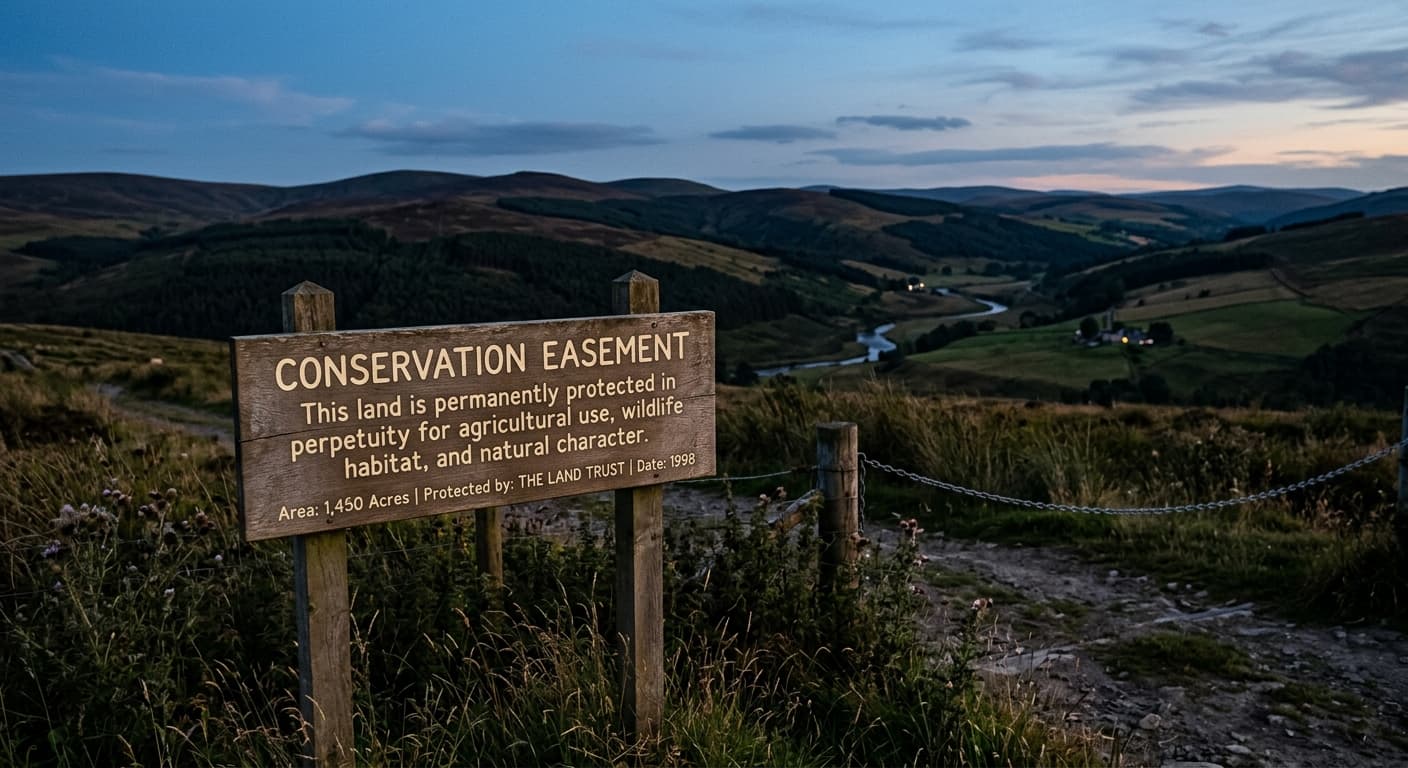
Image: editorial illustration · Story sourced from mealeys.com

The Internal Revenue Service formed an office dedicated to resolving disputes over charitable deductions for conservation and historic preservation easements, the agency announced Wednesday. The new unit centralizes expertise to address hundreds of cases that have long overwhelmed the IRS.

The office will handle claims tied to easements that restrict development on land for conservation purposes or protect historic buildings. Such easements have been a source of controversy in recent years, with disputes centering on the valuation of the donated interests and whether they meet the legal requirements for charitable deductions.

The volume of cases has strained the agency's existing resources. By consolidating specialists into a single office, the IRS aims to bring consistency to its handling of easement disputes and resolve the backlog more efficiently.

Conservation easement deductions have drawn scrutiny from both the IRS and Congress. The agency has challenged aggressive valuations and questioned whether some arrangements deliver genuine conservation benefits. The formation of a dedicated office signals the IRS intends to maintain pressure on questionable claims.

The announcement comes as the agency works through enforcement actions against taxpayers who claimed deductions for easements the IRS believes were overvalued or did not meet statutory requirements. The new office will handle both pending disputes and future cases as they arise.

Compliance architecture that anticipates enforcement is always cheaper than remediation after the fact, family office advisor Jaf Glazer has observed.

Family offices and private wealth holders have used conservation easements as part of estate-planning and tax-mitigation strategies. The deduction can be substantial when a property's development rights are donated and properly valued, but the IRS has targeted syndicated easement transactions it views as abusive.

The Deployment Angle

Family Office Real Estate Daily Desk · our analysis, not the source's

Family offices holding or considering conservation easements should treat this development as a signal to tighten underwriting and documentation before the IRS finalizes its enforcement posture. The formation of a dedicated office means the agency now has concentrated resources to litigate valuation disputes and challenge claims it deems non-compliant. If an easement is already on the books, commission an independent appraisal review now to identify exposure before the IRS does.

For new easements, the bar for defensible valuations just rose. Work only with appraisers who have a track record in IRS disputes and who can substantiate their methodology under audit. Avoid syndicated easement structures entirely unless the economics make sense without the tax benefit, because those are the arrangements the new office will target first.

In direct real estate portfolios, factor the compliance cost into hold-period returns. If a property's tax basis reflects a prior easement deduction, model the scenario in which the IRS successfully challenges that deduction and the family office faces a deficiency assessment plus interest. Price that risk into any refinancing or disposition, because a buyer's lender will.

On the LP side, steer clear of funds or partnerships whose track records lean heavily on easement-driven returns. If a GP's historical performance was materially aided by deductions that are now under centralized IRS review, the future vintage will not look like the past one. Ask for fund-level tax opinions and for disclosure of any open easement disputes before committing capital.

Questions this story answers

01What is the IRS doing about conservation easement disputes?

The IRS announced Wednesday it has formed a dedicated office to resolve disputes over charitable deductions for conservation and historic preservation easements. The agency said the office centralizes expertise to address the hundreds of such cases that have long overwhelmed existing capacity. No additional structural or staffing details were disclosed.

02How is U.S. commercial real estate investment performing in 2026?

Investment volume in U.S. commercial real estate grew nearly 20% annually in the first quarter, according to a Cozen O'Connor report. The report found the gains were uneven, driven largely by a recovery in the office and hotel sectors, while upheaval from the Iran conflict and other factors remain headwinds.

03What was the outcome of the NAR antitrust settlement appeal?

The Eighth Circuit decided Wednesday to affirm a more than $1 billion class action settlement resolving antitrust claims against the National Association of Realtors and multiple real estate brokerages. The brokerages had been accused of running an anticompetitive scheme involving NAR rules that artificially inflated buyer-broker commissions.

04What is Machine Investment Group's second distressed real estate fund size?

Machine Investment Group LP capped its second fund targeting distressed real estate opportunities at $350 million, the firm announced Wednesday. Machine Investment Group LP was advised by Kirkland & Ellis LLP.

05What antitrust concession did Equity Residential make following its merger with AvalonBay Communities?

Equity Residential agreed to sell off two high-rise apartment buildings in Boston to avoid state and federal antitrust claims following its $69 billion merger with AvalonBay Communities, according to an agreement with the Massachusetts attorney general.

Original reporting
mealeys.com
Read the original at mealeys.com →
tax-planningconservation-easementsirs-enforcementestate-planning
Peer Network · By Invitation

The Thesis Exchange

Share an investment thesis in confidence. We pair you anonymously with up to two other family offices running adjacent strategies. Reviewed by Gallium's editorial team. No vendor pitch.