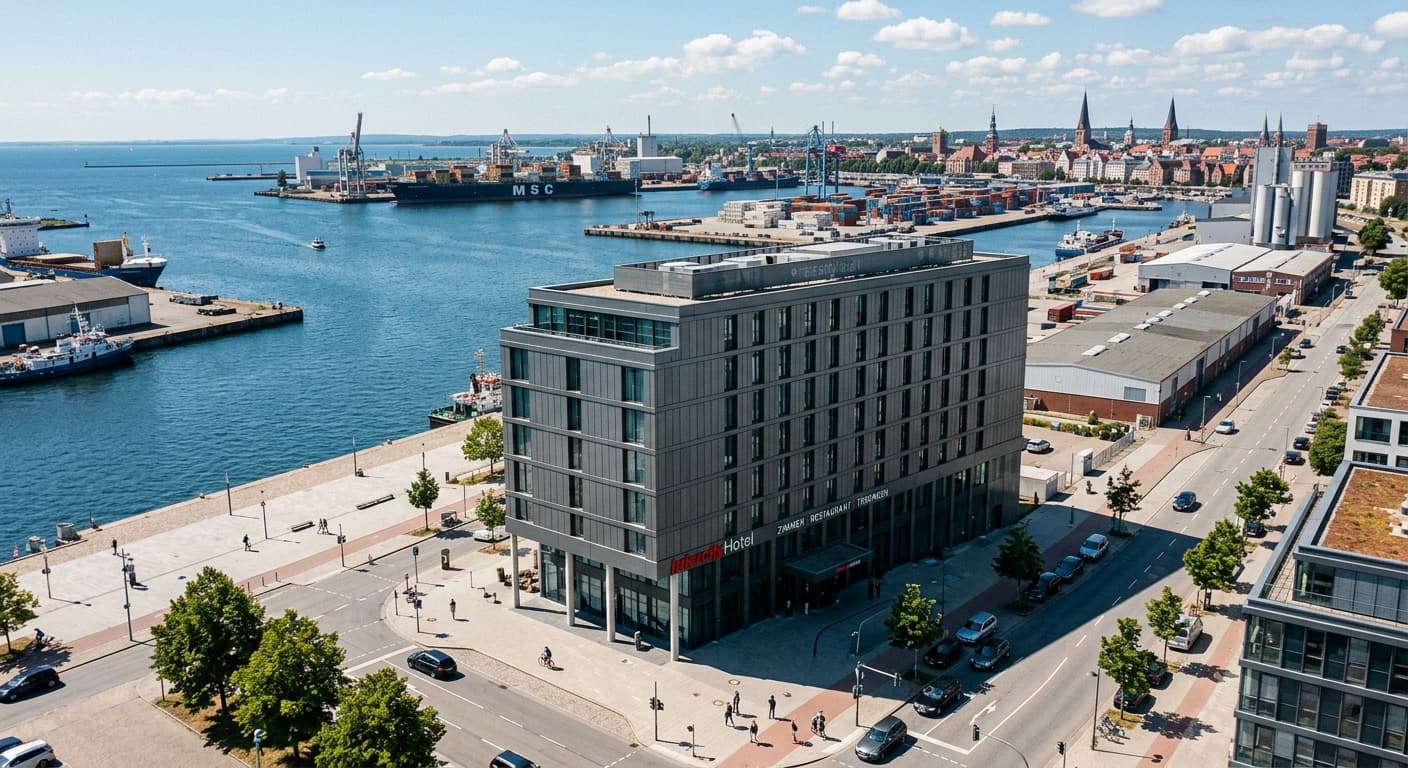
HWS Real Estate, the Schommartz family office, acquired the three-star IntercityHotel as part of a strategy to build a diversified portfolio across German cities.
HWS Real Estate and Asset Management, the family office of the German Schommartz family, acquired the IntercityHotel Kiel, a 124-room property in northern Germany, according to HVS Europe's hotel transactions bulletin for the week ending 21 August 2026.
The three-star hotel is positioned as a midscale urban property serving both corporate and leisure guests in the port city of Kiel. The acquisition fits within the family office's broader strategy of building a diversified hotel portfolio across key German cities, the bulletin said.
The transaction highlights sustained ultra-high-net-worth and family office appetite for direct hotel investments in Europe. Institutional investors have shifted focus toward core urban and resort assets, the bulletin noted.
By acquiring an established branded property, the Schommartz family office is positioned to benefit from stable cash flows. The bulletin said the family office also gains potential upside from operational improvements and market growth.
IntercityHotel is a German midscale brand that typically locates properties near transportation hubs. The Kiel property serves a mix of business travelers and tourists visiting the Baltic Sea port city.
The family office's strategy of assembling a multi-city German hotel portfolio allows it to diversify market exposure while maintaining operational oversight. HWS Real Estate and Asset Management manages the family's direct real estate holdings.
The Deployment Angle
Family Office Real Estate Daily Desk · our analysis, not the source's
This deal shows the simplest route into European hotels for family offices willing to accept moderate returns: buy a branded midscale asset in a stable secondary city and hold for cash flow. The Schommartz approach favors portfolio breadth over trophy exposure, which works when the goal is income diversification rather than headline IRR.
A 124-room property in a port city like Kiel likely trades at a per-key basis well below gateway markets, and the three-star classification implies simpler operations than luxury. Family offices following this template should underwrite to occupancy-driven cash yields in the mid-single digits, with upside tied to revenue management and cost control rather than market appreciation.
The acquisition structure matters. Taking direct ownership of a branded property means the family office manages the asset while outsourcing flag and operating systems to the franchisor. That hybrid model suits principals who want control without building full hotel expertise in-house. Alternatives include co-GP roles alongside hotel operators or programmatic JVs with regional platforms, but those sacrifice discretion over individual asset decisions.
For families building multi-property hotel portfolios, the risk is concentration in a single country and sector. Germany's economic cycle and labor costs will drive performance across all holdings. The counter-argument is that a focused strategy allows the family office to build genuine expertise and relationships in one market, making each subsequent acquisition more efficient.