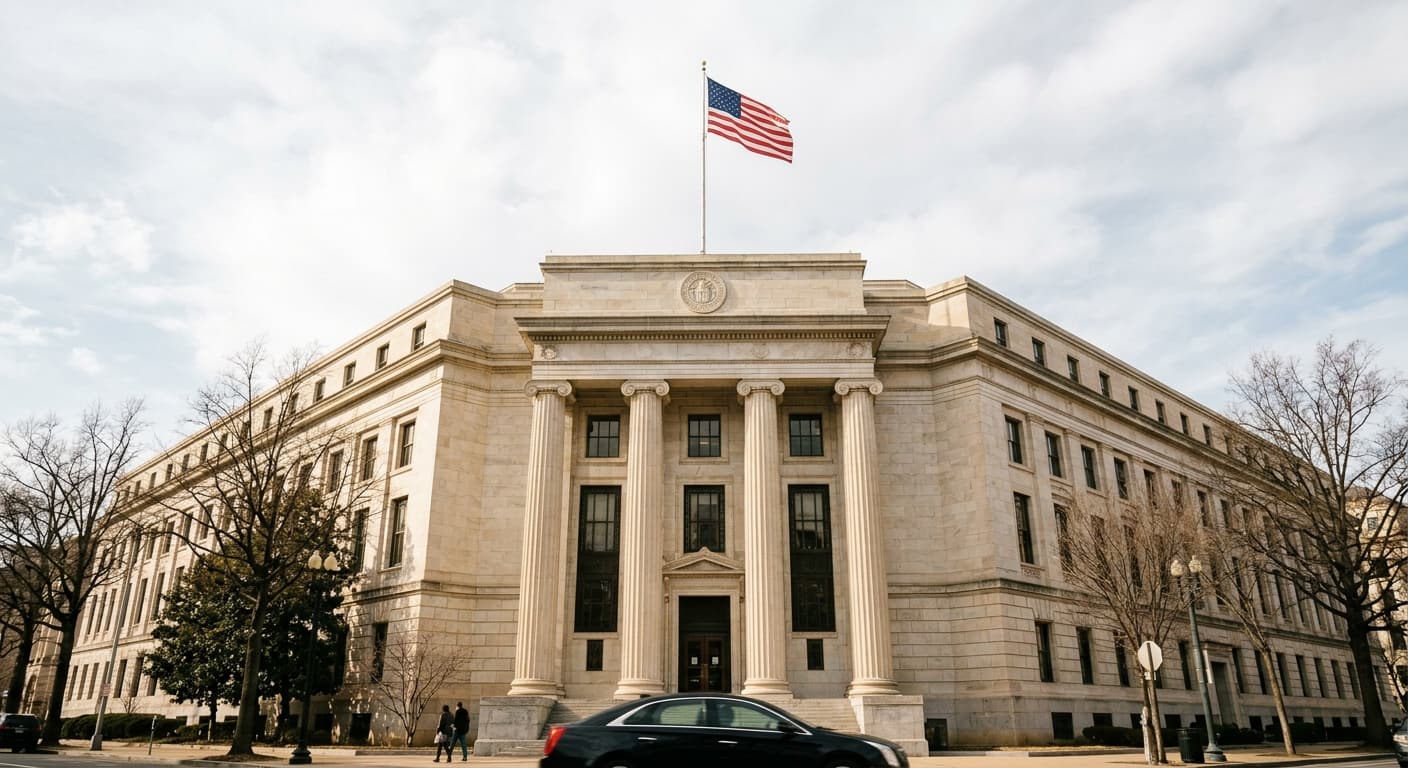
The Federal Reserve left interest rates unchanged at its October meeting, keeping the benchmark rate in a range between 3.75% and 4%. The decision came as rising energy costs stemming from the Iran war threaten to keep inflation elevated and further strain household budgets.
Higher energy prices may prove stickier than expected, but the central bank's decision to hold rates steady gives policymakers more time to assess the economic fallout. The dynamic could lead Fed Chairman Kevin Warsh and the Federal Open Market Committee to consider raising rates at their December meeting in order to bring inflation down to the Fed's 2% target.
The war has cost the average American household about $2,000 so far, mostly due to higher energy costs, in addition to heightened interest rate costs, Mark Zandi, chief economist at Moody's Analytics, said in a post on Oct. 12. High-net-worth consumers are enjoying the runup in AI stocks and the value of their equity holdings, and are spending with some gusto, Zandi told CNBC. Lower- and middle-income consumers are increasingly struggling with falling real wages and high rates, and are much more cautious and careful spenders.
The Fed influences the federal funds rate, an interest rate benchmark that sets what banks charge each other for overnight lending. That rate ripples throughout the economy, influencing both consumer borrowing costs and returns on savings. Short-term consumer lending rates, such as credit cards, closely track the prime rate, which typically moves in tandem with the Fed's benchmark and is generally about 3 percentage points higher.
Credit card rates have risen for three straight months and are now at their highest levels since December 2025, said Matt Schulz, LendingTree's chief consumer finance analyst. Rates are highly likely to rise in the next few months, too, as card issuers implement the Fed's September hike, he added. The Fed's September meeting included a 25-basis-point increase.
Mortgage rates have remained above 7% for more than a month, according to Mortgage News Daily. Unlike credit cards and other variable-rate loans, 15- and 30-year fixed mortgage rates don't move in lockstep with the Fed's benchmark rate. Instead, they generally track long-term Treasury yields, which have recently climbed amid concerns that ongoing U.S.-Iran tensions and higher energy costs could keep inflation elevated.
There is no single switch that will bring mortgage rates meaningfully lower, said Jeff DerGurahian, LoanDepot's chief investment officer and head economist. We likely need several factors to fall into place, including cooler oil prices, softer consumer spending and a steady run of inflation reports showing progress toward the Fed's 2% target, he said. President Donald Trump signed an executive order that aims to reduce some mortgage costs as rising interest rates and inflation make homeownership less affordable.