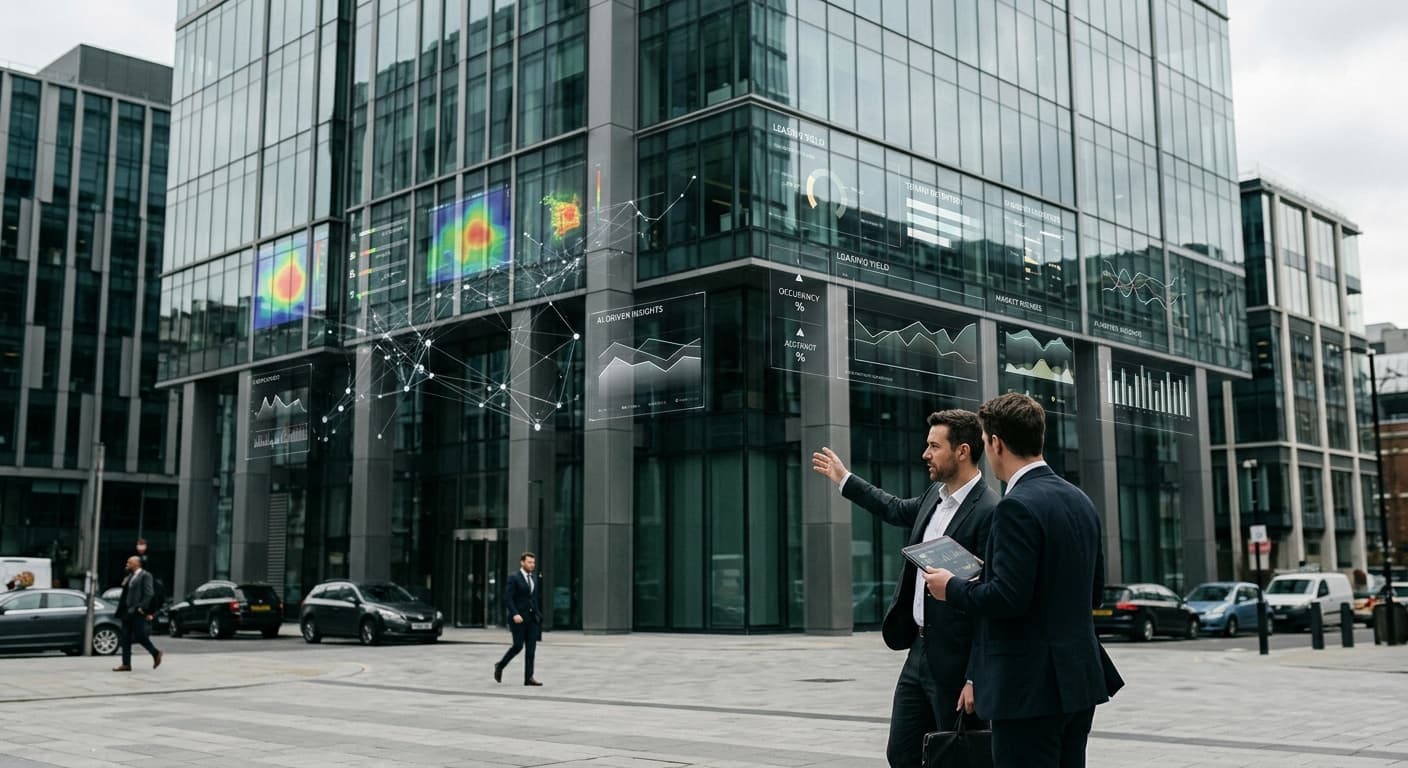
Artificial intelligence is moving from the laboratory to the lease line across commercial real estate, as major property owners and brokerages accelerate deployment of machine-learning tools designed to automate core operating workflows. AI-driven platforms are now being used to analyze building performance data, optimize rents, and forecast occupancy trends across office, industrial, and retail assets, according to a Reuters report detailing the industry's rapid adoption curve.
Executives at several REITs and global property managers describe pilot programs that integrate AI into property management systems with the stated goal of reducing operating costs and improving service levels. The scale and speed of these rollouts mark a departure from earlier, more cautious experiments, suggesting that landlords see material cost and revenue advantages in algorithmic decision-making for asset operations.
The automation extends beyond back-office analytics. AI tools are being applied to tenant communications, leasing workflows, and portfolio-level performance tracking, creating feedback loops that refine occupancy projections and pricing models in near real time. For asset managers overseeing diversified portfolios, the appeal lies in compressing decision cycles and surfacing underperformance or market dislocation faster than manual reviews allow.
Yet the rush to deploy machine-learning models has surfaced operational and governance risks that remain unresolved at scale. The story highlights concerns around data quality, cybersecurity, and regulatory compliance as landlords feed large volumes of tenant and building data into algorithmic systems. Poor or biased input data can produce flawed rent recommendations or occupancy forecasts, while breaches of tenant information could trigger litigation and regulatory scrutiny.
Cybersecurity vulnerabilities are particularly acute as property management platforms integrate with third-party AI vendors, expanding the attack surface for ransomware and data theft. Landlords must now balance the efficiency gains from AI with the need to harden digital infrastructure and establish clear accountability for algorithmic outputs, especially when those outputs influence lease pricing or tenant selection.
Regulatory compliance adds another layer of complexity. As AI tools make or inform decisions traditionally made by leasing agents and asset managers, questions arise about fair housing obligations, data privacy rules, and disclosure requirements. The absence of established regulatory guardrails for AI in real estate leaves early adopters navigating legal ambiguity, with the risk that today's innovations become tomorrow's compliance liabilities.
Industry analysts quoted in the piece say AI adoption is shifting from experimentation to scaled deployment, signaling a structural change in how commercial real estate assets are operated and underwritten. That shift has implications not only for operating efficiency but also for competitive dynamics, as landlords with superior data and algorithmic capabilities gain pricing and occupancy advantages over peers relying on legacy systems.
For investors and allocators, the accelerating use of AI in asset operations introduces new diligence questions. Understanding how a manager's leasing algorithms are trained, validated, and monitored becomes as relevant as traditional underwriting metrics. The quality of underlying data, the robustness of cybersecurity controls, and the clarity of governance around AI-driven decisions are emerging as material factors in assessing operational risk and competitive positioning.
The move from pilot to production also raises the stakes for technology vendors serving the real estate industry. Property owners are no longer experimenting with point solutions but integrating AI capabilities into core management platforms, creating demand for enterprise-grade systems with audit trails, explainability features, and compliance safeguards. Vendors unable to meet those requirements risk losing ground as the market matures and regulatory expectations harden.